Brilliant Invention Gen 20 Hydrogen Generator July 2 2026
Brilliant Invention Gen 20 Hydrogen Generator ---(update Feb 7... Full Story
Perth, West Australia




by Gavan Knox MSc, BSc, BEd, Inventor
WhatsApp call +61 403177183
contact gavan@hfuel.com.au
https://hydrogenfuelsystems.com.au
Hydrogen Cell Reviews for Real Engine Results – Oct 4. A cheap hydrogen kit can look convincing on a workbench, then become an expensive headache under a bonnet. That is why hydrogen cell reviews need more than a star rating or a single claim about fuel savings. For a ute, prime mover, 4WD, boat or generator, the only review that matters is one that shows whether the system was correctly matched, properly installed and measured over enough operating hours to mean something.
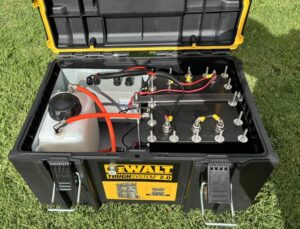


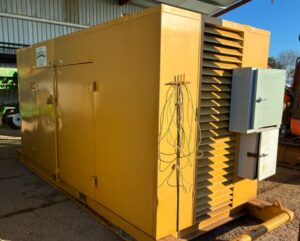

An on-board hydrogen system is not magic and it is not a bolt-on replacement for routine maintenance. It is a combustion enhancement system. The cell produces hydrogen and oxygen gas from water and electrical power, then feeds that gas into the engine intake in controlled quantities. The intended result is a cleaner, faster burn that can improve combustion efficiency, reduce unburnt fuel and support stronger engine response. Whether that translates to worthwhile fuel savings depends heavily on the vehicle, the workload and the quality of the installation.
Start by separating genuine operating evidence from marketing noise. A useful review identifies the vehicle or engine, fuel type, engine capacity, kilometres or operating hours, and the type of work being done. A diesel LandCruiser towing a caravan through regional WA has a completely different load profile from a petrol hatchback commuting across Perth. A generator running at a stable load is different again.
Look for a before-and-after comparison using consistent conditions. The strongest reports track fuel use over several tanks, routes or operating cycles rather than making a call after one short drive. Fleet operators should compare litres per 100 km, litres per hour, idle time, load weight, driver behaviour and weather where practical. For machinery and marine engines, fuel burn per operating hour is usually the more useful figure.
A credible review also explains what was fitted. Cell size, electrical supply, wiring protection, reservoir setup, hose routing, filter arrangement and intake connection all affect reliability and output. If the review simply says a kit was installed and the engine “felt better”, treat it as an impression, not proof.

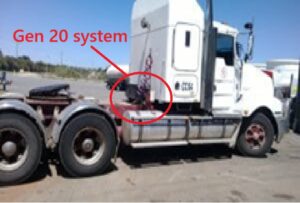
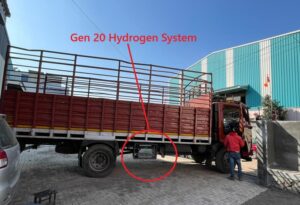

The best reviews do not hide the hard details. They show that the owner understood the vehicle and installed the system as part of a complete package, not as a random accessory.
Pay close attention to these four areas:
Power and torque feedback can be useful, particularly for towing, hill work and loaded acceleration. Better throttle response is often what drivers notice first. But a sensible review will separate subjective feel from measured outcomes. If there is a dyno run, emissions test or logged fuel data, it should state the testing conditions.
No honest supplier should promise that every engine will deliver the same percentage improvement. An older diesel with carbon buildup, inefficient combustion and high fuel use may show a stronger change than a newer vehicle that is already running efficiently. The same vehicle can also produce different fuel figures when towing, working unloaded or idling for long periods.
Engine condition matters. Worn injectors, boost leaks, blocked filters, faulty sensors, poor compression or an existing cooling problem should be addressed before judging any fuel-saving technology. Hydrogen enhancement cannot repair mechanical faults. It can only work with the air, fuel and combustion process the engine has available.
Driving style matters as well. If improved response encourages a driver to use more throttle, fuel savings may disappear even if combustion quality improves. This is especially relevant for performance-minded 4WD owners and drivers who spend much of the day in stop-start traffic. A fleet review is stronger when the same driver, route and task are compared over a meaningful period.
For diesel applications, reviews should also consider the vehicle’s existing emissions equipment and tuning. Modern common-rail systems are precise, and installation needs to respect factory components, sensor locations and safe operating temperatures. Do not accept advice that involves bypassing, disabling or interfering with emissions controls.
Reviews help narrow the field, but the supplier should be able to answer direct technical questions before you spend a dollar. Ask which generator size suits your engine, how much electrical draw it requires, where it mounts, what ongoing servicing is required and what installation documentation is supplied.
You should also ask what protection components are included. A complete system needs more than a cell. The power supply, relays, fuses, wiring, hoses, reservoir components, filters and fittings must be fit for the job. If a kit is priced far below comparable systems, check whether the important hardware has simply been left out.
For trade vehicles, transport fleets and remote-area equipment, local support matters. A component failure is not merely inconvenient when the vehicle earns its keep. Clear instructions, available replacement parts and application-specific guidance reduce downtime and make it easier for a competent installer to complete the job correctly.
Hydrogen Fuel Systems focuses on system sizing and technical documentation because the difference between a serious installation and a questionable one is usually in those details. Patented design, certification material and test reports should be examined as part of the buying decision, alongside real application feedback.
Be cautious with reviews that promise enormous gains without identifying the engine, distance, load or test method. Claims that suggest a hydrogen cell will transform every vehicle overnight should trigger questions, not a purchase. Fuel economy gains are affected by variables, and anyone who ignores those variables is not giving you the full picture.
Watch for photos that show untidy wiring, unsecured reservoirs, hoses near heat sources or fittings placed without regard for service access. These are warning signs. A hydrogen system sits in a harsh environment of vibration, heat, moisture and electrical load. It must be installed accordingly.
Also be wary of reviews that confuse reduced emissions with guaranteed fuel savings, or extra responsiveness with a fixed horsepower number. These outcomes can be related, but they are not identical. A useful review explains what changed and how it was measured rather than bundling every possible benefit into one unsupported statement.
The smart approach is to use hydrogen cell reviews as a screening tool, then calculate the potential return for your own operation. Work out your current fuel spend, annual kilometres or engine hours, typical fuel consumption and the type of work the vehicle performs. A high-use diesel that burns substantial fuel every week has more room for a worthwhile return than a lightly used weekend vehicle.
After installation, keep your own records. Do not rely on memory at the bowser. Record fuel purchases, kilometres, load conditions and maintenance notes before fitting the system, then continue tracking them afterwards. Give the comparison enough time to cover normal work, not just an unusually easy week.
The right system is the one backed by clear specifications, sound installation and data you can verify on your own engine. Start with the numbers your vehicle is producing now, fit the equipment correctly, and let consistent operating records make the final call.
by Gavan Knox MSc, BSc, BEd, Inventor
WhatsApp call +61 403177183
contact gavan@hfuel.com.au
https://hydrogenfuelsystems.com.au
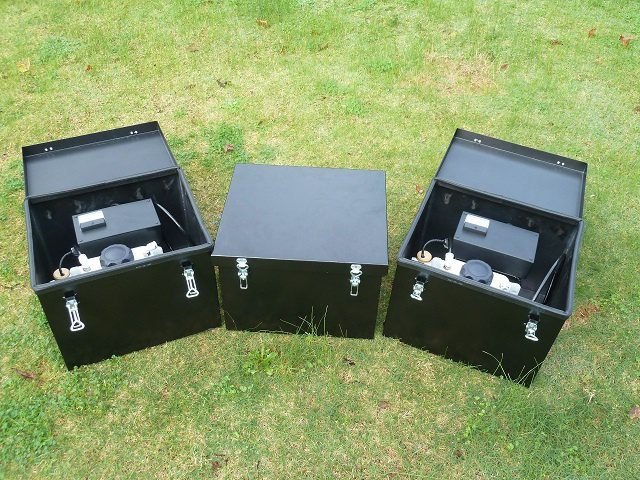
Brilliant Invention Gen 20 Hydrogen Generator ---(update Feb 7... Full Story

by Gavan Knox HFS whats app +61 403177183 gavan@hfuel.com.au... Full Story
Hydrogen Cell Reviews for Real Engine Results - Oct... Full Story
Best Marine Fuel Upgrades for Working Boats - Oct... Full Story
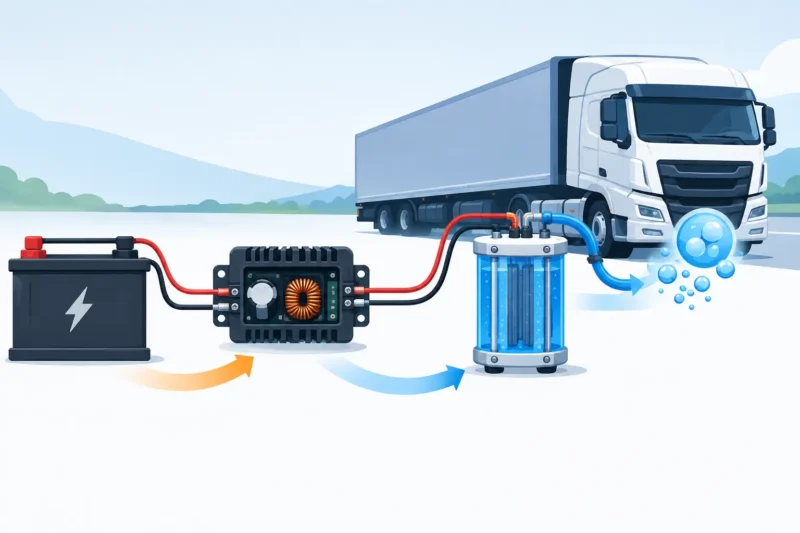
How 24V-to-13.8V Buck Configuration Regulators Affect HHO generation in... Full Story
Payment Methods Partner:

© 2023 - Hydrogenfuelsystems pty ltd