Brilliant Invention Gen 20 Hydrogen Generator July 2 2026
Brilliant Invention Gen 20 Hydrogen Generator ---(update Feb 7... Full Story



by Gavan Knox MSc, BSc, BEd, Inventor
WhatsApp call +61 403177183
contact gavan@hfuel.com.au
https://hydrogenfuelsystems.com.au
HHO Installation That Delivers Real Results- Oct 21. A hydrogen system can be a hard-working addition to a diesel ute, petrol car, truck, boat or generator – but only when it is fitted as a complete, protected system. HHO installation is not a matter of finding spare room under the bonnet and connecting a couple of hoses. Mounting position, electrical protection, gas routing and final testing determine whether the system operates reliably and supports cleaner, more efficient combustion.
For owners chasing lower operating costs, the goal is simple: install it once, install it properly, and make every kilometre or operating hour count. A rushed fitment creates faults, leaks and poor results. A planned installation gives the generator the stable power supply, safe plumbing and controlled gas delivery it needs to do its job.

An HHO system produces hydrogen and oxygen on demand from the vehicle or machine’s electrical supply. That gas is introduced into the intake stream, where it supports more complete combustion of the primary fuel charge. The practical targets are improved combustion efficiency, reduced soot and exhaust emissions, stronger engine response and the potential for fuel savings.
Those outcomes depend on the engine, the duty cycle, the condition of the fuel system and the quality of the installation. A long-haul truck, a stop-start delivery vehicle and a generator at steady load will not respond in exactly the same way. There is no value in pretending every application produces the same number. What matters is that the system is correctly sized, correctly installed and assessed against real fuel-use records.
A proper installation must achieve five things:
Miss one of these and the job is unfinished.
System selection comes before spanners. A small passenger vehicle does not need the same generator capacity as a heavy 4WD towing regularly, a commercial truck, a marine engine or a high-hour generator. Oversizing or undersizing a system compromises the result and can complicate packaging, current draw and tuning.
Start with engine capacity, fuel type, available charging output and normal operating load. Then consider where the unit will physically sit. A 4WD that sees corrugations needs a mount that can handle vibration and rough tracks. A marine installation needs particular attention to corrosion resistance, hose security and access for maintenance. A generator installation often has less room, more heat concentration and long operating periods, so airflow and electrical connections deserve closer scrutiny.
Hydrogen Fuel Systems offers generator sizes for different engine classes and applications because fitment is not one-size-fits-all. Choose the system around the work the engine actually performs, not just the badge on the bonnet.
Do not use an HHO kit to hide an existing mechanical problem. A blocked air filter, failing injector, boost leak, worn turbocharger, poor earth connection or charging issue will limit any efficiency gain and can produce misleading results.
Before beginning, inspect the battery condition and alternator charge voltage. Confirm the engine has no unresolved fault codes and service the basics where required. On diesel engines, pay attention to intake cleanliness, EGR operation and exhaust restrictions. On petrol engines, check ignition condition and fuel trims. The hydrogen system should complement a sound engine, not compensate for a neglected one.
If the vehicle is under manufacturer warranty, a fleet lease or subject to specific workplace requirements, check the relevant conditions first. Australian roadworthiness, electrical safety and emissions obligations still apply after any aftermarket modification. For commercial vehicles, record the installation details as part of the asset maintenance history.
The physical fitment should be methodical. Read the application-specific instructions before drilling a hole or cutting hose. Measure twice, then select locations that protect components without making future servicing impossible.
The generator needs a rigid mounting point, preferably on a substantial bracket or chassis-supported area rather than thin plastic trim. Keep it upright as specified by the kit design, clear of exhaust heat, turbocharger heat, belts, fans and steering components. It must also remain accessible for electrolyte checks, hose inspection and periodic cleaning where applicable.
Avoid mounting directly above sensitive electrical modules or where a spill could reach the alternator. Use quality fasteners, locking hardware and vibration isolation where required. For off-road vehicles and machinery, assume the system will be shaken hard. A mount that looks acceptable in the workshop can crack after months of corrugations if it has not been properly supported.
High current is where poor installations fail. The generator circuit should use correctly sized cable, secure crimped terminals, a suitable fuse close to the battery supply and a relay arrangement that prevents the unit operating when the ignition is off. A system left live while parked can flatten batteries and create unnecessary risk.
Route wiring away from sharp edges, heat sources and moving parts. Use abrasion protection and proper cable securing rather than loose cable ties over hot or vibrating areas. Earth connections matter just as much as positive feeds: use a clean, solid earth point and protect it from corrosion.
Do not guess at fuse size, wire gauge or relay configuration. Follow the supplied technical documentation for the specific generator and engine application. If you are not confident working with automotive electrical systems, use a qualified auto electrician. Saving an hour during fitment is not worth damaging an alternator, wiring loom or control module.
Gas hose routing should be short, protected and free from kinks. Keep it away from exhaust manifolds, turbo plumbing, fan blades and areas where it can chafe through. Every join should be secure and checked for leaks. The system’s moisture control and safety components are not optional extras – they are part of the gas path and must be fitted in the correct order and orientation.
The intake entry point depends on the engine layout. The objective is to introduce the gas where it can mix effectively with incoming air without exposing hoses or fittings to excessive heat, pressure pulses or contamination. On turbocharged engines, placement requires particular care. Follow the supplied application guidance rather than copying a photo from a different vehicle.
Drilling into an intake pipe demands cleanliness. Remove the pipe where practical, collect all swarf and ensure no debris can enter the engine. A single metal shaving in the wrong place can turn a fuel-saving project into an expensive repair.
When the installation is complete, do not simply start the engine and call it done. Check fluid levels, hose clamps, electrical terminals, fuse protection, relay operation and mounting security. Confirm the generator activates only under the intended ignition conditions. Inspect for any leaks and verify that hoses, wiring and fittings remain clear of hot or moving components with the engine running.
Then road test or load test the machine. Listen for unusual noises, watch warning lights and recheck the installation after the first heat cycle. On a truck, generator or marine engine, inspect it again after an initial working period. Vibration can reveal a weak bracket or a hose that looked clear while stationary.
Fuel savings should be measured properly. Record litres used, kilometres travelled or operating hours, load conditions and route type before and after the installation. One tank of fuel is not evidence, particularly with changing traffic, weather, payload or driver behaviour. A meaningful comparison uses several comparable cycles. Fleet operators should track the same unit over time, while owner-drivers can use fuel receipts and odometer records to build a clear picture.
The most common failure is treating the kit as an accessory rather than an engine support system. Loose wiring, poor earths, undersized cable, badly placed hoses and unsupported brackets all create avoidable problems. Another mistake is ignoring maintenance. Check connections, fluid condition, filter components and mounting hardware at regular service intervals.
Do not make sweeping performance claims from a vehicle that has not been baseline tested. A properly installed HHO system can support efficiency and combustion quality, but results remain application-dependent. The strongest proof is measured fuel use, operating conditions and repeatable records – exactly the information that matters when fuel is a major cost line.
The right HHO installation is a practical investment in the engine you already own. Give the system a clean vehicle, a secure fitment and a proper test period, and it has the best chance to earn its place every time the engine goes to work.
Wednesday, October 21, 2026
Brilliant Invention Gen 20 Hydrogen Generator ---(update Feb 7... Full Story
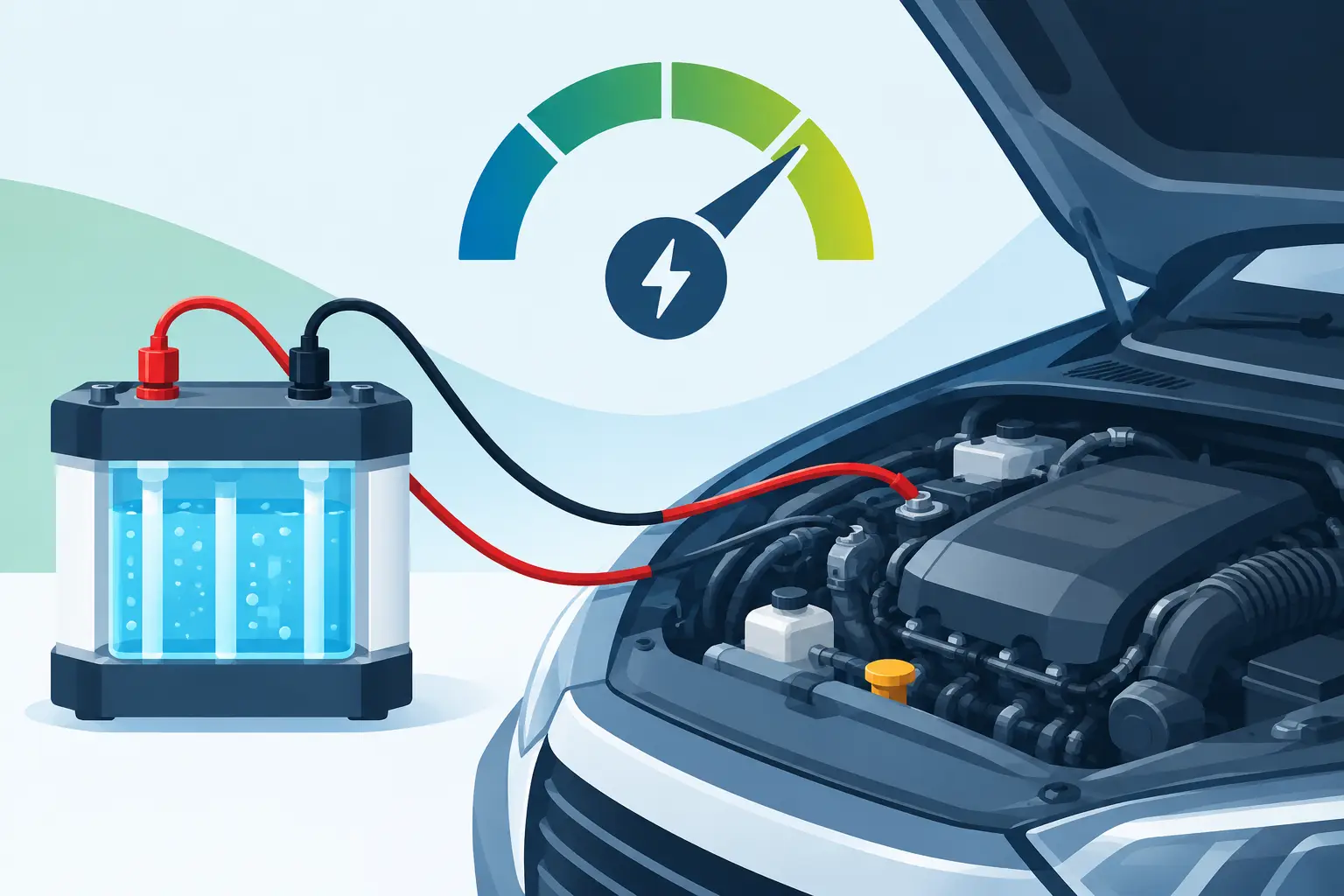
An HHO system that draws too little current can... Full Story
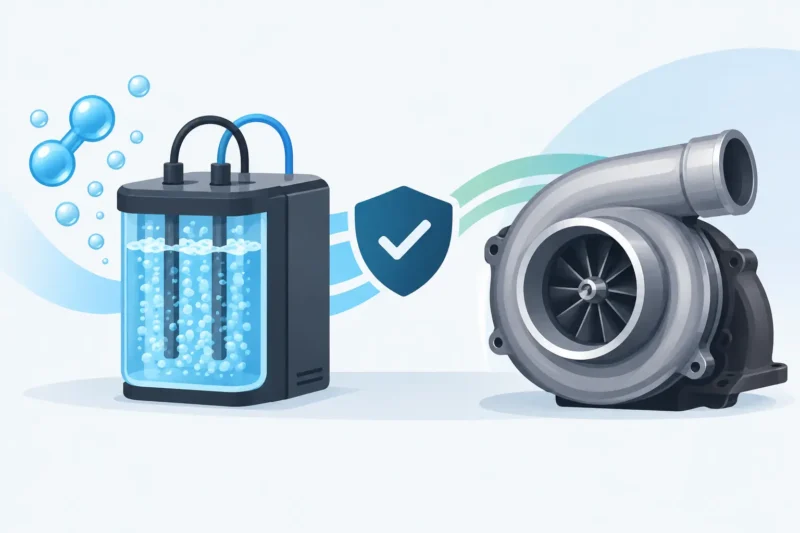
Will HHO Affect Turbochargers? Facts That Matter - Nov... Full Story

Marine Vessel HHO Fuel Trial for Real Fuel Savings... Full Story
Payment Methods Partner:

© 2026 Hydrogen Fuel Systems Pty Ltd