Brilliant Invention Gen 20 Hydrogen Generator July 2 2026
Brilliant Invention Gen 20 Hydrogen Generator ---(update Feb 7... Full Story



by Gavan Knox MSc, BSc, BEd, Inventor
WhatsApp call +61 403177183
contact gavan@hfuel.com.au
https://hydrogenfuelsystems.com.au
How to Choose a Hydrogen System That Fits – Oct 23. A hydrogen system that is too small for a hard-working diesel will not deliver the support you expect. One chosen without checking electrical supply, engine condition or installation space can create headaches before it ever earns its keep. Knowing how to choose a hydrogen system starts with the job your engine does every day – not with the cheapest kit or the biggest number on the box.
For a commuter car, a touring 4WD, a loaded ute, a prime mover, a fishing vessel or a stationary generator, the right HHO system is the one matched to real engine demand. Get the match right and you are putting an on-board hydrogen generator to work where fuel use, combustion quality and operating costs matter most.
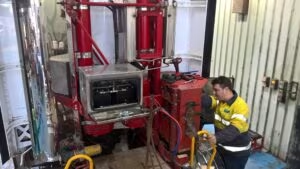


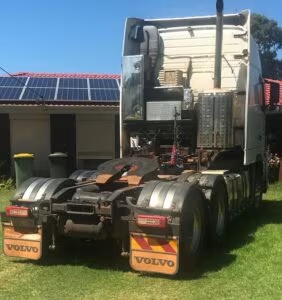

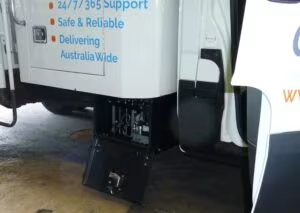
Engine capacity is a starting point, not the whole answer. A lightly used 3.0-litre diesel passenger vehicle and a 3.0-litre diesel running a generator under constant load are not equivalent applications. They may share displacement, but their fuel burn, operating hours, heat cycles and electrical demands are completely different.
Look at how the vehicle or machine is used. Consider kilometres travelled, idle time, load carried, towing, terrain, average fuel consumption and annual operating hours. A 4WD used for weekend trips needs a different approach to a work ute hauling tools through stop-start traffic. A marine engine that runs for long periods at steady revs needs different planning again.
High-use equipment usually has the clearest financial case because every litre saved has more time to compound. That does not mean low-kilometre vehicles cannot benefit. It means the return period may be longer, so the system choice needs to remain sensible.
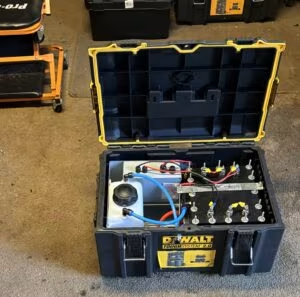
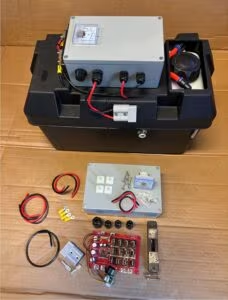
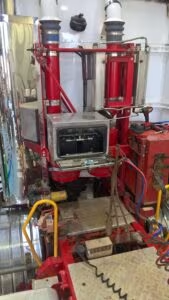
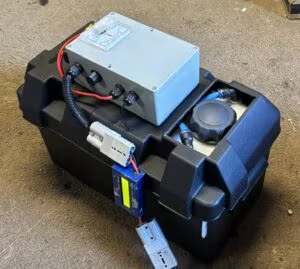
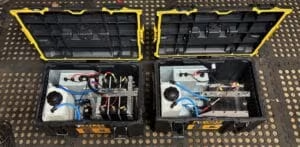
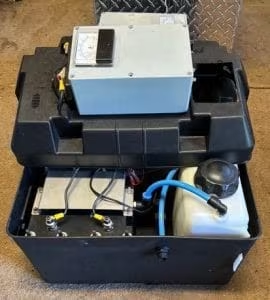
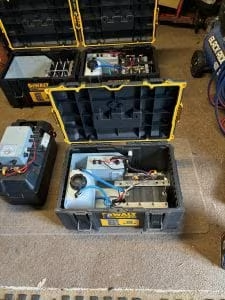
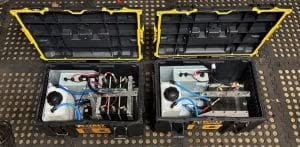
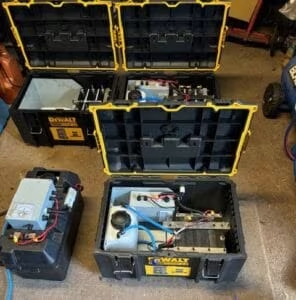
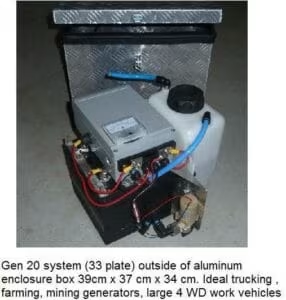
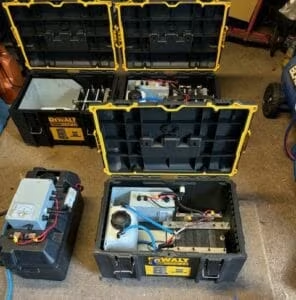
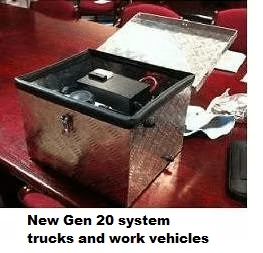
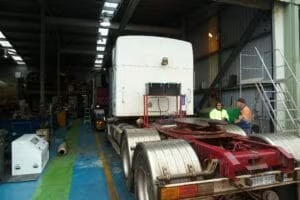
Hydrogen Fuel Systems offers Gen 10, Gen 15, Gen 20 and Gen 25 systems for different engine sizes and applications. The correct size should be selected around engine capacity, fuel type and workload, then confirmed against the application guidance for that vehicle or machine.
Do not assume a larger system is automatically better. Bigger output requires appropriate electrical support, mounting space and installation planning. Oversizing without a reason adds cost and can complicate an otherwise straightforward fitment. Undersizing, on the other hand, can leave a heavy-duty engine without the output required for its operating profile.
A sensible sizing conversation should cover three things: the engine’s litres, the fuel it uses and the way it earns its keep. Petrol and diesel engines can have very different operating characteristics. Turbocharged engines, high-hour generators, commercial trucks and marine applications also require application-specific advice rather than a one-size-fits-all guess.
If you are comparing systems for a fleet, do not simply standardise every vehicle on one model for purchasing convenience. Group vehicles by engine class and duty cycle. This gives you a cleaner basis for measuring fuel use and makes future maintenance easier to manage.

An HHO kit relies on the vehicle or machine’s electrical system. That makes alternator condition, battery health, cable sizing, relays, fusing and connections part of the selection process – not an afterthought.
A tired battery or weak charging system can hide the performance of any accessory fitted to the vehicle. Before installing, confirm that the charging system is healthy and capable of supporting the selected system during normal operation. On older work vehicles, this check is especially worthwhile. Corroded terminals, poor earth connections and neglected wiring are common causes of unreliable accessories.
The power supply components supplied or specified for the system matter. Use the correct fuse protection, cable routes and mounting methods. Avoid shortcuts such as undersized wiring, improvised joins or placing components where heat, vibration and water can damage them. A clean installation is not cosmetic – it is how you protect the system and simplify fault-finding later.
Under-bonnet space is tight on many modern vehicles. Before choosing a unit, inspect the available area with the bonnet closed, then account for heat, service access and movement from engine vibration. The system needs a secure mounting point, not just an empty-looking gap.
You also need practical routes for hoses, wiring and the water reservoir. Keep components away from exhaust heat, sharp edges, moving belts and areas likely to be flooded or pressure-washed. For 4WDs that see corrugations, mud and creek crossings, mounting security and protection deserve extra attention.
Marine and generator installations call for the same discipline, with added focus on ventilation, vibration and access for routine inspection. A system that cannot be checked or topped up easily is less likely to be maintained properly.
Fuel savings and emissions outcomes depend on the engine, its condition, driving pattern, load, installation quality and how fuel use is measured. Anyone promising identical results for every vehicle is selling a story, not helping you make a commercial decision.
Ask for the documentation behind the system. Look for patented technology information, certification material, test reports, installation manuals and application guidance. A supplier should be able to explain what is included, how the system is intended to be fitted and what maintenance is expected.
For operators who need to justify the purchase, establish a fuel baseline before fitting anything. Record litres used, kilometres travelled or hours run, load carried and operating conditions. Continue recording the same data after installation. For a generator, measure litres per operating hour at comparable load. For a truck, track fuel burn across similar routes and payloads where possible.
This is how you separate a real operational result from a good week, a lighter load or a change in driving behaviour. It also gives fleet managers something useful to take to the workshop, accountant or business owner.
An HHO system is an enhancement system, not a substitute for basic mechanical maintenance. If the engine has injector faults, intake leaks, blocked filters, poor compression, warning lights or cooling issues, fix those first. You would not fit new tyres to a ute with a damaged steering rack and call the job finished.
A well-maintained engine gives the system the best chance to support improved combustion efficiency. Before installation, service the vehicle if it is due. Check air filtration, fuel filtration, oil condition, battery terminals and charging voltage. On diesel engines, also investigate unusual smoke, rough running or persistent fault codes.
This approach protects your investment. It also produces more reliable before-and-after fuel records because you are not comparing a neglected engine with a serviced one.
Some owners are capable of fitting a kit themselves using clear instructions and the correct tools. Others should use a competent automotive electrician or installer, especially where access is limited or the vehicle is part of a commercial fleet. The right choice is the one that delivers secure mounting, protected wiring and a tidy, inspectable result.
After installation, make routine checks part of normal servicing. Inspect fluid level, hose condition, electrical terminals, mounting hardware and filters as specified. Dust, vibration, heat and long work hours are hard on every under-bonnet component in Australia, particularly for vehicles working regional runs or rough tracks.
Keep records of maintenance and fuel use. If a vehicle changes role – for example, a ute becomes a dedicated towing vehicle – review whether the current system remains the right fit. The best installation is not a set-and-forget purchase. It is a managed operating asset.
The strongest reason to fit a hydrogen system is practical: reduce fuel costs, support cleaner combustion and keep a working engine operating efficiently. But the purchase still needs to stack up against your fuel spend, annual hours and expected ownership period.
A high-kilometre diesel, a generator running daily or a vessel with regular operating hours can justify a more serious investment than a vehicle that leaves the driveway twice a week. Calculate the cost of fuel over a year, then decide what level of improvement would make the system worthwhile for your operation. Be conservative with assumptions and let measured results do the talking.
Choose the system that matches the engine, the workload and the installation environment. Then install it properly, maintain it properly and measure it honestly. That is where a hydrogen system stops being a workshop talking point and starts becoming part of a smarter operating-cost plan.
by Gavan Knox MSc, BSc, BEd, Inventor
WhatsApp call +61 403177183
contact gavan@hfuel.com.au
https://hydrogenfuelsystems.com.au
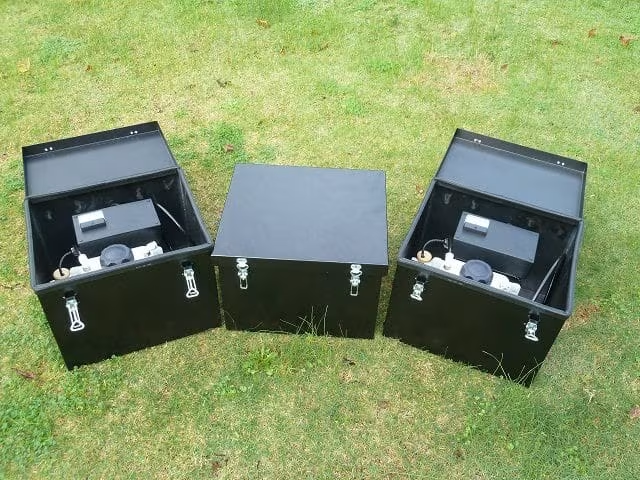
Brilliant Invention Gen 20 Hydrogen Generator ---(update Feb 7... Full Story
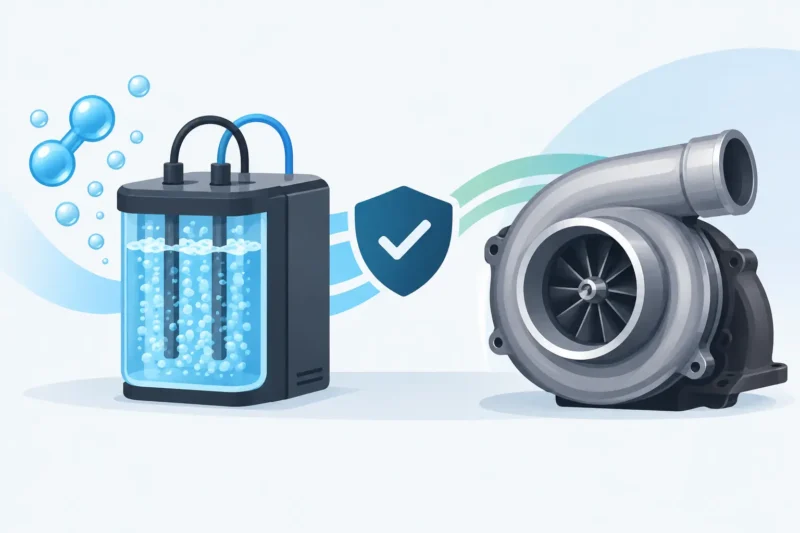
Will HHO Affect Turbochargers? Facts That Matter - Nov... Full Story
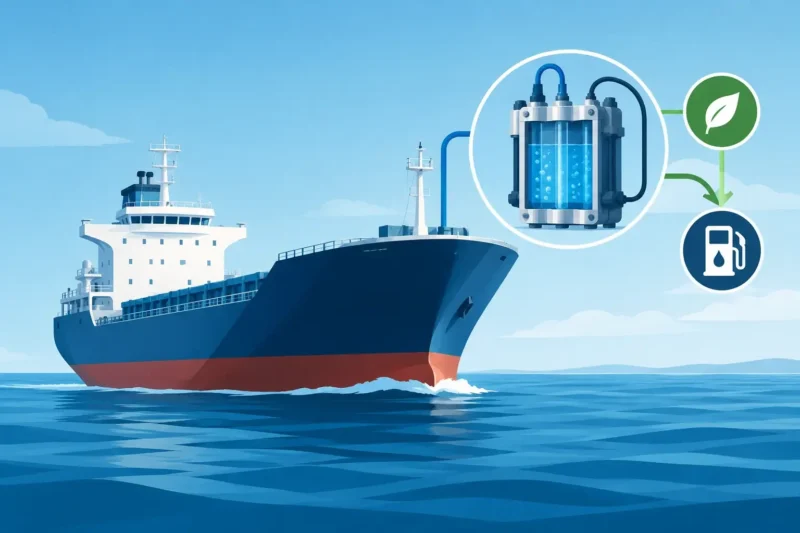
Marine Vessel HHO Fuel Trial for Real Fuel Savings... Full Story
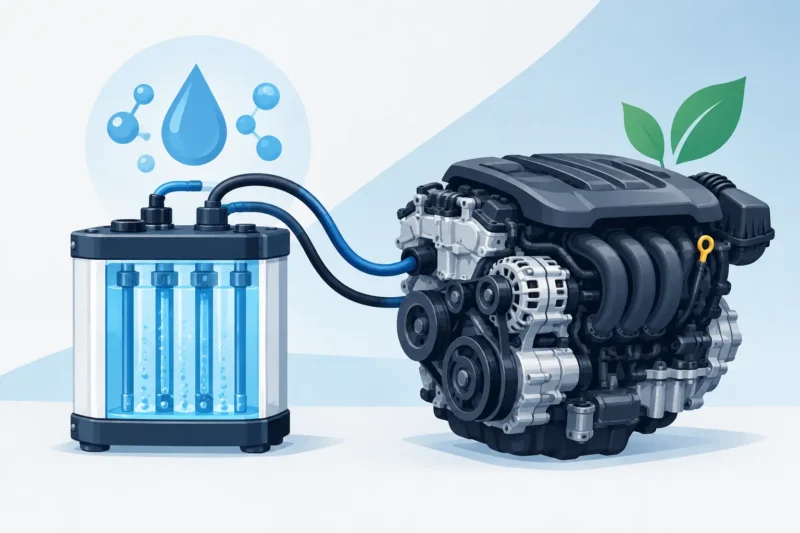
HHO Kits That Make Hard-Working Engines Work - Nov... Full Story
Payment Methods Partner:

© 2026 Hydrogen Fuel Systems Pty Ltd