Brilliant Invention Gen 20 Hydrogen Generator July 2 2026
Brilliant Invention Gen 20 Hydrogen Generator ---(update Feb 7... Full Story


by Gavan Knox MSc, BSc, BEd, Inventor
WhatsApp call +61 403177183
contact gavan@hfuel.com.au
https://hydrogenfuelsystems.com.au
HHO Maintenance That Protects Your Fuel Savings – Oct 31. A hydrogen kit does not need constant attention, but ignoring it is an expensive way to lose the fuel-saving and performance benefits you installed it for. Proper HHO maintenance keeps gas production consistent, protects the cell and electrical system, and helps your diesel, petrol engine, generator or marine motor operate as intended.



This is not complicated workshop work. It is a practical routine: keep the electrolyte clean and at the correct level, inspect the plumbing and wiring, and deal with small faults before they become a no-start, a blown fuse or a system that is producing far less gas than it should. For high-mileage owner-drivers, fleet vehicles and hard-working 4WDs, that routine matters.
An HHO system relies on three things working together: stable electrical supply, correct electrolyte condition and an unrestricted path for the generated gas. Let one slip and output can drop. The vehicle may still run, but the system is no longer delivering its best result.
Dirty electrolyte can reduce efficiency. A low reservoir level can leave the cell unable to operate correctly. A loose terminal creates resistance and heat. A cracked hose can allow gas loss or introduce air where it does not belong. None of these faults is dramatic at first, which is exactly why they are often missed.

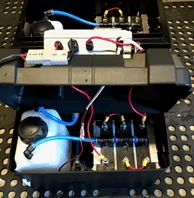


Maintenance is also about protecting the equipment around the cell. Hydrogen generator kits operate in an engine bay exposed to vibration, heat, dust, moisture and temperature changes. A neat installation checked regularly will outlast a neglected one every time.
The right interval depends on vehicle use, system size, climate and the quality of the water used. A city commuter will have different needs from a road train, a site generator or a boat operating in salty air. As a practical rule, inspect the system at every normal service interval and give it a quick visual check whenever you check engine oil and coolant.
Start with the reservoir. With the engine off and the system cool, confirm the fluid is within the marked operating range. Do not overfill it. Too much fluid can create carryover issues, while too little can reduce cell performance.
Use distilled or demineralised water for top-ups. Tap water brings minerals into the system, and those contaminants build over time. In many Australian areas, hard water is a genuine problem for electrolyser components. It can leave deposits, change the electrolyte balance and make cleaning more frequent.

Look at the condition of the electrolyte rather than topping it up blindly. If it has become heavily discoloured, cloudy or contaminated with debris, drain and replace it according to your kit instructions. Wear gloves and eye protection when handling electrolyte. The solution may be caustic, so treat it with the same respect you would give a strong workshop chemical.
Do not add extra catalyst simply because you want more output. More is not automatically better. Excessive concentration can draw too much current, create unnecessary heat and place strain on the electrical system. Follow the specified mix for your cell and application.
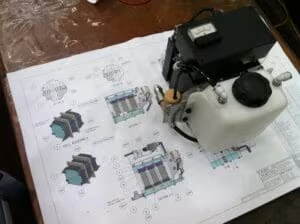
Trace every hose from the cell through the bubbler or water trap and toward the engine intake. Look for kinks, hardening, cracks, loose clamps and signs that a hose has rubbed against a sharp bracket or hot component. Vibration will find any weak point eventually.
The bubbler deserves special attention. Its job is to provide a safety barrier and help prevent moisture or contaminants reaching places they should not. Check its fluid level and condition, then make sure the cap, fittings and hose connections seal correctly. Replace damaged fittings rather than trying to patch them with tape or sealant.
Keep all plumbing routed away from exhaust heat, belts, fans and moving linkages. If the vehicle has recently had engine work, radiator work or accessory upgrades, inspect the hose route again. A technician may have moved a line without knowing its purpose.





HHO output depends on clean electrical supply. Inspect the positive and negative connections, fuse holder, relay, earth point and any controller connections. You are looking for loose terminals, corrosion, melted insulation, overheated connectors or wiring that has rubbed through against metal.
A poor earth is one of the most common causes of inconsistent performance. The earth connection should be clean, secure and attached to suitable bare metal as specified in the installation instructions. Battery terminals should also be tight and free from corrosion.
If a fuse has blown, do not simply fit a larger fuse and hope for the best. A blown fuse is a warning that needs diagnosis. Check for a short circuit, damaged wiring, water ingress, incorrect electrolyte strength or a component fault. Oversizing protection can turn a manageable fault into damaged wiring or equipment.




If your kit includes a gauge, controller or current display, use it. A sudden change in current draw can tell you there is an issue before it becomes obvious. Low current may point to poor connections, weak electrolyte or a supply fault. Unusually high current may indicate excessive electrolyte concentration, internal contamination or a system fault.
After a normal run, carefully check for abnormal heat around cables, terminals and connectors. They should not be hot enough to cause concern. Never open a hot cell or work on the system while it is energised. Isolate power first and allow the components to cool.
A cell does not need to be stripped down on a fixed calendar date if it is operating cleanly and within specification. Clean it when inspection shows contamination, when output or current becomes inconsistent, or when the electrolyte has reached the end of its useful condition.
Before servicing, disconnect power and follow the kit’s maintenance instructions. Drain the electrolyte into a suitable chemical-safe container. Do not tip it onto the driveway, into stormwater or down a drain. Dispose of it in line with local requirements.
Clean components only with methods approved for the cell design. Aggressive abrasives, unsuitable chemicals and improvised tools can damage plates, seals and coatings. Inspect gaskets and fasteners while the unit is apart. A tired seal is cheap to replace compared with cleaning up an engine-bay leak.
Once reassembled, refill to the correct level, check all connections and inspect for leaks before returning the vehicle to service. A controlled restart and a final check of electrical draw are worth the few extra minutes.
An HHO system supports combustion efficiency. It does not replace normal vehicle maintenance. A blocked air filter, leaking intercooler hose, worn injectors, failing sensor, restricted fuel filter or poor battery condition can all affect economy and drivability.
That distinction matters when chasing results. If fuel use rises sharply or power drops away, inspect the vehicle as a complete system. Read fault codes where applicable, check scheduled servicing items and make sure the hydrogen kit itself is operating correctly. The best outcome comes from a healthy engine paired with a correctly installed, maintained HHO system.
For commercial operators, record the date, kilometres, electrolyte service, current readings and any replacement parts. That simple log helps identify patterns across utes, trucks, generators and fleet vehicles. It also gives you useful evidence when comparing fuel consumption before and after servicing.
For vehicles that cannot afford downtime, keeping a small maintenance stock makes sense. Have distilled water, the correct electrolyte material, spare hose, clamps, fuses, connectors and a replacement bubbler service component where applicable. These are low-cost items that can prevent a minor issue from taking a vehicle or machine out of action.
Use components designed for the system rather than guessing with incompatible fittings. Hydrogen Fuel Systems supplies application-focused parts and technical documentation because the small details – cable sizing, hose quality, fittings and correct cell setup – affect reliability.
A maintained HHO system is not a set-and-forget accessory. Give it a disciplined inspection, use clean fluids, keep the electrical side tight and respond early to changes in output. That is how you protect the savings every kilometre, operating hour and fuel invoice is meant to deliver.
by Gavan Knox MSc, BSc, BEd, Inventor
WhatsApp call +61 403177183
contact gavan@hfuel.com.au
https://hydrogenfuelsystems.com.au
Brilliant Invention Gen 20 Hydrogen Generator ---(update Feb 7... Full Story
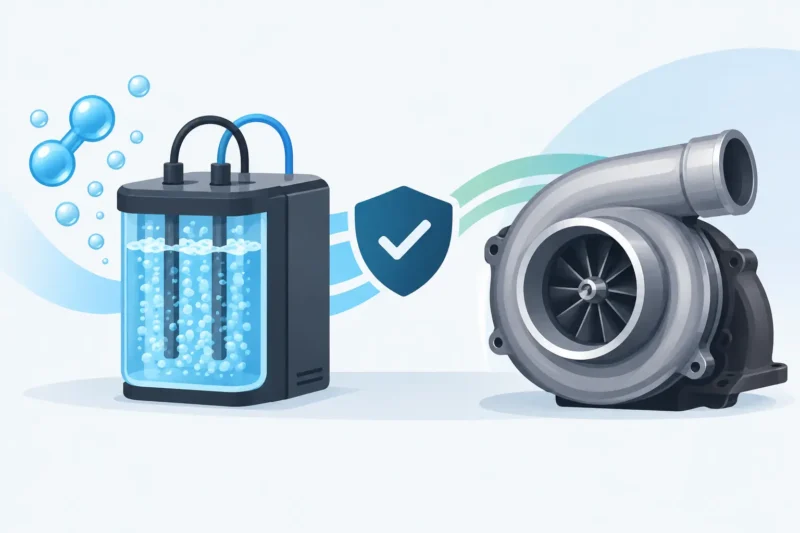
Will HHO Affect Turbochargers? Facts That Matter - Nov... Full Story
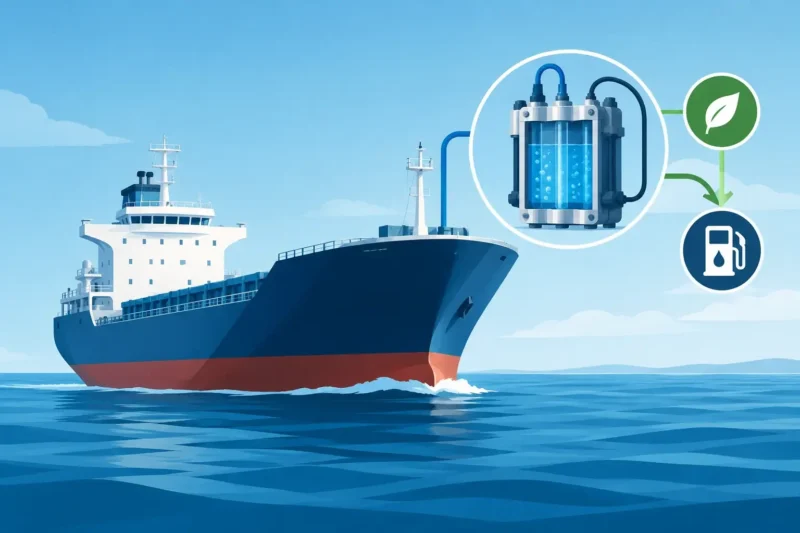
Marine Vessel HHO Fuel Trial for Real Fuel Savings... Full Story
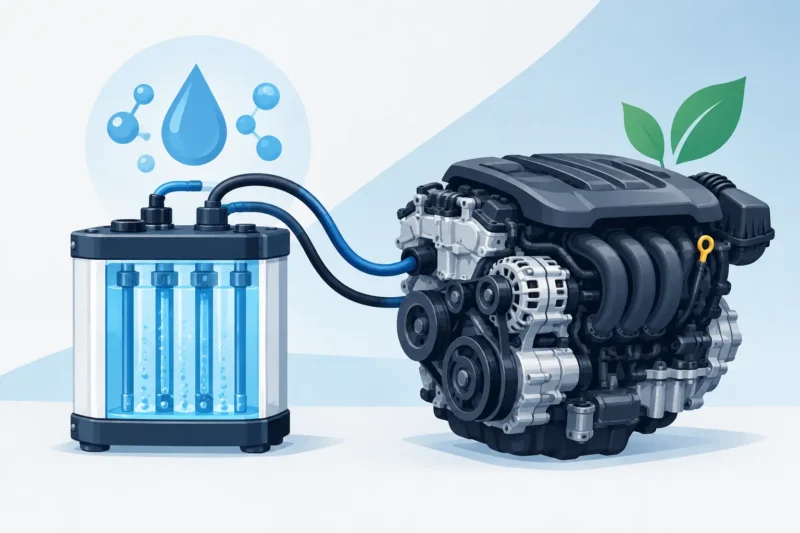
HHO Kits That Make Hard-Working Engines Work - Nov... Full Story
Payment Methods Partner:

© 2026 Hydrogen Fuel Systems Pty Ltd