Brilliant Invention Gen 20 Hydrogen Generator July 2 2026
Brilliant Invention Gen 20 Hydrogen Generator ---(update Feb 7... Full Story



by Gavan Knox MSc, BSc, BEd, Inventor
WhatsApp call +61 403177183
contact gavan@hfuel.com.au
https://hydrogenfuelsystems.com.au
How to Prepare a Fleet Trial That Produces Data – Nov 3. Fuel is one of the few costs a fleet manager can measure every day, yet many proHow to Prepare a Fleet Trial That Produces Data – Nov 3duct trials still fail because nobody set a credible baseline. Knowing how to prepare a fleet trial properly gives you a clean comparison, protects you from guesswork and shows whether an upgrade is producing a commercial return under real operating conditions.
A fleet trial is not a quick run around the block with one vehicle and a hopeful driver. It is a controlled operating test across comparable vehicles, routes and loads. For fleets assessing hydrogen enhancement systems, that discipline is what turns a claimed fuel-saving opportunity into evidence your business can act on.
The best time to prepare the trial is before any kit is installed. Once a vehicle has been modified, the opportunity to capture an uncontaminated baseline is gone. Start by defining one clear business question: are you testing fuel consumption, engine response, idle quality, emissions, maintenance performance or a combination of these?
Keep the primary measure commercial. For most transport, trade, marine and generator operators, that means litres per 100 kilometres, litres per hour or cost per operating hour. If fuel use is the core objective, do not let the trial become distracted by informal comments about performance alone. Better throttle response may matter to the driver, but it does not replace measurable consumption data.
Write down the start date, expected duration, vehicles involved, operating conditions and the person responsible for collecting records. This does not need to be a corporate report. A simple one-page trial plan prevents the usual problems: missing dockets, inconsistent fuel records and drivers unknowingly changing how they operate during the test.
Choose units that reflect the work you want to improve. A long-haul prime mover should be assessed against other long-haul units. A city delivery van should not be compared with a vehicle doing freeway kilometres. The same rule applies to utes, 4WDs, marine engines and stationary generators.
Where possible, nominate a control vehicle. This is a similar vehicle that continues operating without the tested system while the trial vehicle receives it. The control helps expose outside influences such as a seasonal workload change, a new driver, altered traffic conditions or a jump in air-conditioning use.
A matched pair is ideal, but it is not always practical. If every vehicle has a different route or duty cycle, trial several vehicles over a longer period and group the results by application. The goal is not laboratory perfection. The goal is enough control to separate an equipment result from normal fleet variation.
Before selecting a unit, check its condition. A vehicle with injector faults, boost leaks, blocked filters, poor wheel alignment or a dragging brake is a poor trial candidate. Mechanical defects can bury a genuine improvement or create a false result that cannot be repeated across the fleet.
Collect baseline data over a meaningful operating period. For a high-kilometre truck, this may be several weeks and thousands of kilometres. For a low-use plant item, generator or boat, use enough operating hours and refuelling events to smooth out one-off changes in workload.
Record the odometer or hour-meter reading at every fill. Capture litres purchased, date, fuel type, supplier, route or job type, load where relevant and driver. For diesel road vehicles, also note any events that can affect consumption, including extended idling, regeneration activity, towing, heavy headwinds, unusual traffic or off-road work.
Do not rely on the dash fuel economy display as the main evidence. Vehicle computers can be useful for spotting trends, but tank-to-tank records and invoices provide a stronger commercial measure. Always fill to the same practical level. A rushed partial fill followed by an overfill can make one result look impressive and the next look poor.
Use a consistent calculation:
Litres per 100 km = litres used ÷ kilometres travelled × 100
For generators, pumps, marine equipment and other stationary applications, use litres per hour. If the unit operates under changing loads, record the load or output too. A generator powering a light overnight site cannot be fairly compared with one carrying a full construction load.
You cannot control the weather, customer schedules or traffic, but you can record them and avoid making unnecessary changes. Keep tyre pressures, servicing intervals, lubricant specification and load practices consistent throughout the baseline and trial periods.
Driver behaviour needs particular attention. Hard acceleration, high cruising speed and excessive idling can move fuel consumption far more than many equipment changes. Brief drivers on the purpose of the trial, but do not ask them to drive unnaturally gently just because the system has been fitted. The test must reflect normal work, not a special demonstration run.
If drivers rotate between vehicles, record it. If one experienced operator is assigned to the test vehicle while newer drivers use the controls, your fuel figures may be measuring driving style rather than vehicle performance.
An aftermarket system can only be judged fairly when it is installed correctly for the engine and application. Match system capacity to engine size and workload. Cable sizing, fuse protection, mounting position, hose routing, electrical connections and water supply arrangements all matter to reliable operation.
Take dated photographs before, during and after installation. Record component serial numbers, vehicle details, engine kilometres and any settings used. This creates a traceable file for your workshop, manager or maintenance provider, and it makes future fleet roll-out far easier.
Hydrogen Fuel Systems supplies application-focused equipment and technical materials for petrol and diesel vehicles, trucks, 4WDs, generators and marine applications. Use the correct installation instructions for the system size and vehicle type rather than treating every engine as the same job.
After fitment, inspect the installation before releasing the vehicle. Confirm all brackets are secure, wiring is protected from heat and abrasion, fluid levels are correct, and the system operates as intended. Then allow a short bedding-in period before treating the post-install data as final. This also gives the driver time to report any practical issues such as access for checks or a warning light that needs attention.
The post-install trial must use the same fuel-recording process as the baseline. Same measurement, same units, same fill method and similar duty cycle. If the baseline covers 10,000 kilometres, do not declare a result after 300 kilometres following installation.
Review the figures weekly, not only at the end. A weekly check quickly identifies missing receipts, incorrect odometer entries or a vehicle that has moved to a completely different route. Correct the record while the information is still available.
Look at both the average result and the spread of results. A single strong fuel figure may be caused by an unusually light load or a fill variation. Repeated improvement across multiple tanks, routes or units carries far more weight. Equally, if savings are inconsistent, investigate why. The vehicle may need mechanical attention, the application may not suit the system size, or the sample may simply be too small.
Once you have a clean baseline and post-install period, calculate the percentage change in consumption and convert it into dollars. Use your actual fuel price, annual kilometres or annual operating hours. Then compare the expected annual saving with purchase, installation and maintenance costs.
For example, a fleet vehicle consuming 20,000 litres each year has a clear financial case if a measured reduction is repeated consistently across comparable vehicles. The precise payback depends on fuel price, duty cycle, engine condition and the system selected. Avoid blanket assumptions. Your figures are more persuasive when they come from your own dockets and operating conditions.
Keep the decision practical. If the trial vehicle shows a measurable improvement but creates extra service demands your workshop cannot support, factor that in. If a system works strongly on highway trucks but not on short, low-speed urban runs, deploy it where it earns its keep. Fleet efficiency is not about forcing one answer across every asset. It is about putting proven equipment on the vehicles where the return is strongest.
A well-run trial gives you more than a percentage on a spreadsheet. It gives you the confidence to spend fleet capital based on evidence. Start with clean records, control what you can, and let the operating data tell you which vehicles deserve the next installation.
by Gavan Knox MSc, BSc, BEd, Inventor
WhatsApp call +61 403177183
contact gavan@hfuel.com.au
https://hydrogenfuelsystems.com.au
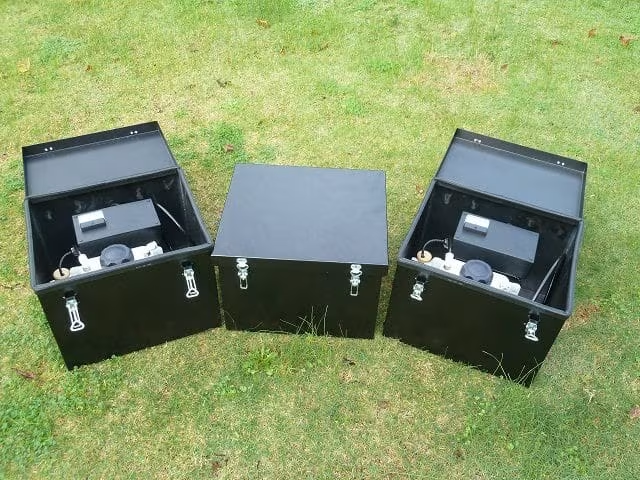
Brilliant Invention Gen 20 Hydrogen Generator ---(update Feb 7... Full Story
Will HHO Affect Turbochargers? Facts That Matter - Nov... Full Story
Marine Vessel HHO Fuel Trial for Real Fuel Savings... Full Story
HHO Kits That Make Hard-Working Engines Work - Nov... Full Story
Payment Methods Partner:

© 2026 Hydrogen Fuel Systems Pty Ltd