Brilliant Invention Gen 20 Hydrogen Generator July 2 2026
Brilliant Invention Gen 20 Hydrogen Generator ---(update Feb 7... Full Story


by Gavan Knox MSc, BSc, BEd, Inventor
WhatsApp call +61 403177183
contact gavan@hfuel.com.au
https://hydrogenfuelsystems.com.au
HHO Versus Diesel Injectors: What Changes First? – Nov 4. A hard-working diesel can feel flat, smoky and expensive long before it actually stops running. That is why HHO versus diesel injectors is the wrong fight to frame as a simple either-or choice. Injectors control how diesel enters the cylinder. An HHO system changes the combustion environment around that fuel. One is a critical fuel-delivery component. The other is an aftermarket combustion enhancement system.
For owner-drivers, fleet managers, 4WD owners and machinery operators, the practical question is this: are you dealing with a mechanical injector fault, or are you looking for a way to get more work from a healthy engine while reducing operating costs? The answer determines where your money should go first.
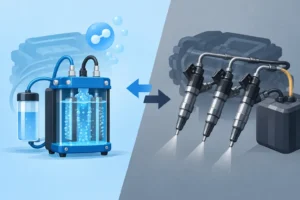
A diesel injector has a precise job. It delivers a metered amount of diesel at very high pressure, at a specific point in the combustion cycle, with a spray pattern designed for that engine. Modern common-rail systems work to extremely tight tolerances. When an injector is functioning correctly, it atomises fuel into fine droplets so it can mix with the compressed air and burn efficiently.
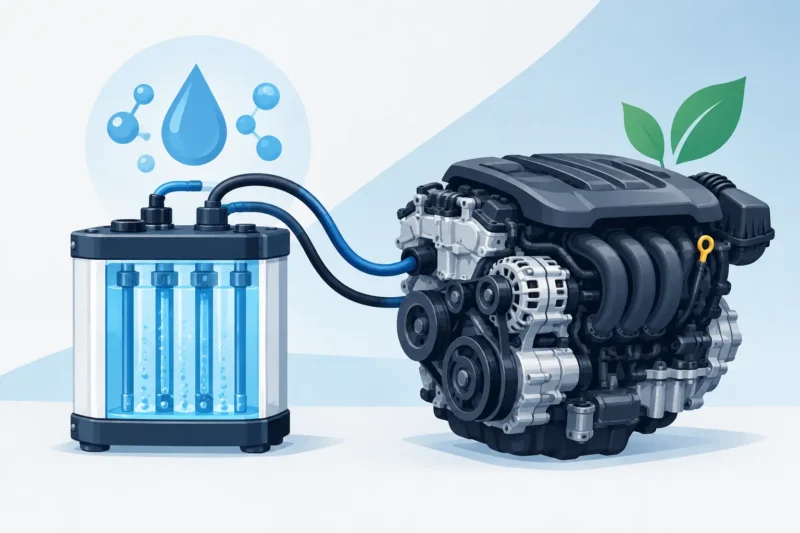
An HHO system does not replace that job. It produces a controlled hydrogen and oxygen gas mixture on board, using electrical power and water, then introduces that gas into the engine’s intake air. The aim is to support a faster, more complete burn of the diesel already being injected.
That distinction matters. Replacing a worn injector can restore lost performance. Adding HHO to a mechanically sound diesel is intended to improve combustion efficiency, which may support better fuel economy, cleaner exhaust behaviour and a sharper response under load. They work on different parts of the same combustion event.
Calling HHO an injector replacement creates unrealistic expectations. If an injector is leaking, blocked, electrically faulty or delivering poor spray quality, hydrogen supplementation will not rebuild it. The fault still needs diagnosis and repair.
Injector problems rarely announce themselves with one neat warning light. More often, they build into a mix of operating symptoms. A ute might start harder in the morning. A truck may use more fuel on a familiar run. A generator might hunt under load, while a marine engine can become rough, smoky or reluctant to pick up cleanly.
Common signs include excessive black, white or grey smoke; diesel knock; rough idle; reduced power; hard starting; a fuel smell; rising consumption; and fault codes relating to injector balance, rail pressure or cylinder contribution. In serious cases, poor injector operation can dilute engine oil, increase soot loading and place extra strain on pistons, turbochargers, diesel particulate filters and exhaust after-treatment equipment.
Injector wear is not always visible from the driver’s seat. Contaminated fuel, water ingress, poor filtration, high kilometres and heat cycles all take their toll. A professional scan, return-flow test, pressure test and inspection of fuel quality can reveal far more than guesswork ever will.
If the engine is misfiring, heavily smoking or showing injector-related fault codes, fix that issue first. There is no value in installing performance equipment over a known mechanical defect. Start with a sound fuel system, clean filters, correct oil level, no boost leaks and an engine that is properly serviced.
Once the diesel fuel system is healthy, combustion quality becomes the next opportunity. Diesel engines are built to work, particularly when they are hauling tools, towing a caravan, moving freight, pushing a boat or carrying sustained generator loads. Under those conditions, small changes in combustion efficiency can matter because fuel use is repeated day after day.
Hydrogen burns quickly and requires very little energy to ignite. When introduced in carefully controlled quantities alongside intake air, it can assist the diesel combustion process. The intended result is a more complete burn of the injected fuel charge rather than more fuel being injected.
In practical terms, operators are usually looking for three outcomes: reduced fuel consumption, improved torque response and lower visible exhaust emissions. Results vary with engine condition, duty cycle, vehicle load, driving style, system sizing and installation quality. A highway truck on predictable routes may produce a different result from a stop-start service vehicle, a heavily loaded 4WD or an intermittently loaded generator.
That is why credible HHO decisions should be based on operating data. Record litres used, kilometres travelled, hours run, load profile and service history before installation. Then compare like-for-like work after installation. A single tank of fuel is not evidence. Several comparable cycles give you a far clearer picture of whether the system is delivering a commercial return.
The strongest result comes from combining sound maintenance with a correctly matched HHO system. Think of the injector as the precision nozzle and HHO as a combustion support system. If the nozzle is damaged, the process starts badly. If the nozzle is healthy, improving burn quality can help the engine make better use of what it is already receiving.
Fuel filters deserve particular attention. A blocked filter can restrict supply and imitate injector trouble. Water contamination can damage high-pressure diesel components quickly. Air leaks, worn turbo hoses, dirty air filters, sticking EGR valves and intake carbon deposits can also reduce performance and increase smoke. Do not blame injectors for every diesel issue, and do not expect an HHO kit to compensate for neglected servicing.
For common-rail engines, avoid amateur adjustments to injector coding, rail-pressure settings or ECU calibration. These systems are sophisticated and expensive. An HHO installation should be engineered to suit the application, with correct electrical protection, plumbing, gas conditioning and mounting. It should not interfere with factory safety systems or create loose wiring and poorly secured components under the bonnet.
Hydrogen Fuel Systems offers different generator capacities because a passenger vehicle, a large 4WD, a truck and a generator do not have the same airflow, engine capacity or workload. System matching is not a sales extra. It is central to achieving a useful outcome without compromising installation quality.
If diagnostics confirm an injector fault, repair or replace the faulty component before considering HHO. A damaged injector can lead to bigger bills if ignored, and no aftermarket enhancement should delay essential engine work.
If injectors test well and the engine is otherwise healthy, HHO becomes a decision about operating economics. High-use vehicles and equipment generally offer the clearest case because every percentage improvement is applied across more litres of fuel. A vehicle that only does short, irregular trips may take much longer to return its installation cost than a delivery truck, regional service ute, tour vehicle, fishing boat or site generator running consistent hours.
Be equally realistic about what you measure. Fuel savings can be affected by wind, load, route changes, tyre pressures, traffic, driver behaviour and fuel quality. Measure consistently, not emotionally. The operators who get the most value from any efficiency upgrade are the ones who know their baseline costs before they spend a dollar.
HHO and diesel injectors are not competing technologies. Healthy injectors deliver diesel correctly; an appropriately installed HHO system is designed to help that fuel burn more effectively. Treat the fuel system as the foundation, verify its condition with proper testing, then assess combustion enhancement against real fuel and workload data.
For Australian operators watching every litre, that is the sensible order of attack: fix faults, protect the engine, measure the baseline and choose upgrades that can prove their value where the vehicle or machinery earns its keep.
by Gavan Knox MSc, BSc, BEd, Inventor
WhatsApp call +61 403177183
contact gavan@hfuel.com.au
https://hydrogenfuelsystems.com.au
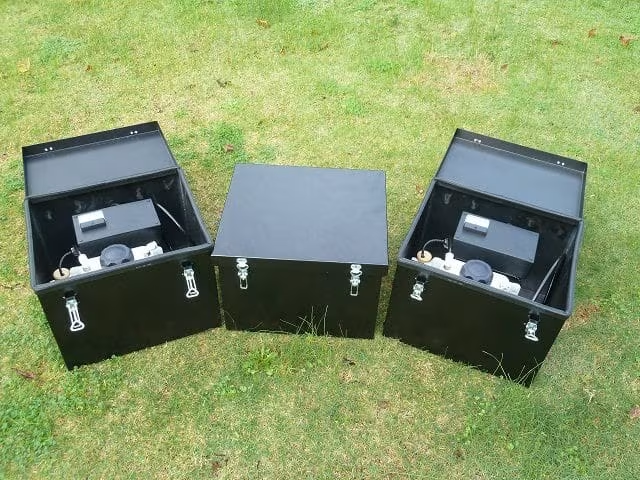
Brilliant Invention Gen 20 Hydrogen Generator ---(update Feb 7... Full Story
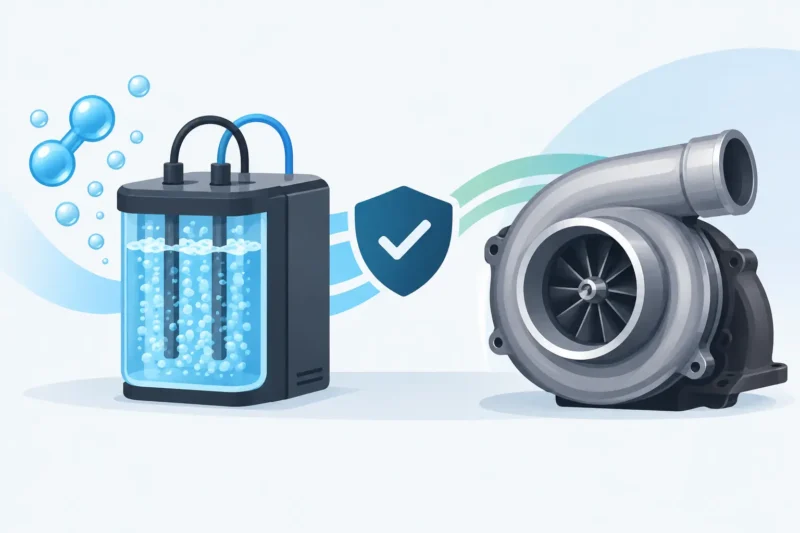
Will HHO Affect Turbochargers? Facts That Matter - Nov... Full Story

Marine Vessel HHO Fuel Trial for Real Fuel Savings... Full Story
HHO Kits That Make Hard-Working Engines Work - Nov... Full Story
Payment Methods Partner:

© 2026 Hydrogen Fuel Systems Pty Ltd