Brilliant Invention Gen 20 Hydrogen Generator July 2 2026
Brilliant Invention Gen 20 Hydrogen Generator ---(update Feb 7... Full Story



by Gavan Knox MSc, BSc, BEd, Inventor
WhatsApp call +61 403177183
contact gavan@hfuel.com.au
https://hydrogenfuelsystems.com.au
Fuel Savings for Petrol-Fuelled Engines That Last. A petrol engine that is drinking more fuel than it should is not just costing you at the bowser. It is often telling you that combustion, maintenance or operating conditions need attention. Real fuel savings for petrol-fuelled engines come from finding the losses first, then using the right hardware to improve the result. For high-kilometre cars, utes, 4WDs, work vehicles and stationary engines, small efficiency gains can add up quickly.
The aim is not to chase a dashboard number for one short trip. The aim is to reduce the amount of petrol required to do the same useful work, over weeks and months of real driving. That means looking beyond advertising claims and fitting a system that suits the engine, duty cycle and vehicle electrical capacity.

Petrol engines make power by mixing air and fuel, compressing it, then igniting that charge at the correct moment. When combustion is incomplete or inconsistent, more fuel can be required to maintain speed, pull a load or climb a grade. Carbon build-up, tired ignition components, vacuum leaks, incorrect sensor readings and poor driving patterns can all work against economy.
Start with the basics. A blocked air filter, worn spark plugs, weak coils, contaminated injectors or a lazy oxygen sensor can turn a normally efficient engine into a fuel user. So can dragging brakes, low tyre pressures, overloaded roof racks and a wheel alignment that is out of specification. An HHO system is not a substitute for correcting these faults. It is an efficiency enhancement that deserves a sound engine underneath it.
For a fleet operator, this approach matters. If one vehicle improves but another does not, the difference is often not the kit. It is the vehicle condition, route, load, idling time or driver behaviour. Establishing a proper baseline stops guesswork and gives you a fair way to judge results.
An HHO system produces a hydrogen and oxygen gas mixture on demand from the vehicle’s electrical system. The gas is introduced into the intake air, where it is intended to support a cleaner, faster and more complete burn of the petrol charge. It is an enhancement system, not a replacement fuel tank and not a reason to ignore ordinary servicing.
The strongest case for on-board hydrogen is usually an engine working consistently under load. Think delivery vehicles running regular routes, 4WDs towing, petrol generators, marine engines and work utes covering serious kilometres. These applications give you repeatable operating conditions and enough fuel use for a genuine efficiency improvement to be worth measuring.
Results depend on the engine and the application. A lightly used hatchback doing short suburban trips will not present the same opportunity as a loaded vehicle travelling regional highways every day. Modern petrol engines also use closed-loop fuel control, so installation quality and correct system setup matter. The vehicle’s ECU, intake design, engine management condition and driver inputs all affect the final outcome.
That is why a properly sized system matters more than a one-size-fits-all approach. Generator capacity, hose routing, electrical protection, water supply, intake connection and the condition of the charging system must suit the job. Hydrogen Fuel Systems supplies different system sizes for different engine and equipment applications because a passenger car, a large-capacity 4WD and a generator do not have the same demands.
The benefit of improved combustion is practical: less fuel used for the same task, potentially cleaner exhaust operation and a more responsive engine under load. But any claim should stand up against operating data. If the vehicle has changed routes, started towing a trailer or spent more time in traffic, litres per 100 kilometres alone can be misleading.
Use the measure that matches the equipment. For road vehicles, track litres per 100 kilometres alongside distance, payload and route. For a generator, record litres per operating hour and average electrical load. For a boat, compare litres per hour at the same engine speed, trim and sea conditions. The more controlled the comparison, the more useful the answer.
A simple fuel log is one of the most valuable tools in the workshop or fleet office. Fill the tank consistently, record the odometer, retain fuel receipts and note anything that affects the run. Collect enough data to cover normal work, not just one favourable trip.
Before installation, check tyre pressures, engine oil level, cooling system condition and charging voltage. Scan for fault codes if the vehicle supports it. Deal with obvious engine management issues first. A check-engine light, misfire, intake leak or failing sensor makes it impossible to separate the effect of an efficiency system from a basic mechanical problem.
For businesses, nominate one person to manage the data. Drivers should record idling, heavy loads, towing, roadworks delays and long air-conditioner use. Those details can explain apparent changes in consumption far better than assumptions can.
An HHO installation should look like purposeful engine equipment, not a collection of improvised wires under the bonnet. Correct mounting, fused power supply, suitable cable sizing, secure water lines and protected electrical connections are essential. The system must be accessible for routine checks while remaining clear of heat, moving components and service points.
Water quality and maintenance discipline also matter. Follow the specified electrolyte and water requirements for the system. Check fluid level, inspect fittings, confirm that the unit is producing as intended and keep the filter arrangement maintained. Neglect turns any mechanical investment into an unreliable one.
Do not select a generator by price alone. Consider engine capacity, petrol consumption, available electrical output, physical installation space and whether the vehicle works empty or loaded. A unit that is too small may have limited effect in a demanding application. One that is poorly installed can create avoidable electrical and maintenance problems.
In Australia, vehicle modifications must also be compatible with applicable road rules, emissions requirements, insurance conditions and the vehicle manufacturer’s requirements. If you operate commercial equipment, document the installation and maintenance process. It protects the asset and makes troubleshooting far easier later.
Fuel economy is a financial calculation. Work out the vehicle’s average monthly fuel use, then compare it with measured post-install figures gathered under similar conditions. From there, calculate litres saved, dollars saved and the expected payback period. This is the language that matters to an owner-driver or fleet manager.
For example, a vehicle using substantial fuel every month does not need a dramatic percentage change to create a worthwhile saving. Conversely, a weekend vehicle with low annual kilometres may take far longer to recover the cost of any upgrade. That does not make one application good and the other bad. It simply means the investment case is different.
Avoid declaring victory after the first tank. Track several refill cycles, account for changes in fuel price and compare like with like. Watch operating behaviour too. Reduced smoke is not the same as proven fuel saving, and a perceived increase in throttle response is not a substitute for receipts and kilometres. The best result is one you can show on paper.
No petrol efficiency system can overcome aggressive acceleration, excessive idling, unnecessary weight or poor tyre maintenance. Sensible throttle use, anticipation in traffic and regular servicing remain part of the equation. For fleets, driver coaching can reinforce the gains from mechanical improvements rather than cancelling them out.
The same applies to towing. Keep loads within ratings, distribute weight correctly and use the right gear for the terrain. A petrol engine working cleanly and efficiently is more likely to reward careful operation than one being forced to labour in the wrong conditions.
The strongest fuel-saving setup combines a healthy petrol engine, a correctly matched HHO system, professional installation and honest fuel records. That is how you move from interest in hydrogen enhancement to an operational decision backed by evidence.
Start with your actual fuel bill, inspect the engine properly and measure every result. When the savings are real, the figures will do the selling for you.
by Gavan Knox MSc, BSc, BEd, Inventor
WhatsApp call +61 403177183
contact gavan@hfuel.com.au
https://hydrogenfuelsystems.com.au
Sunday, November 8, 2026
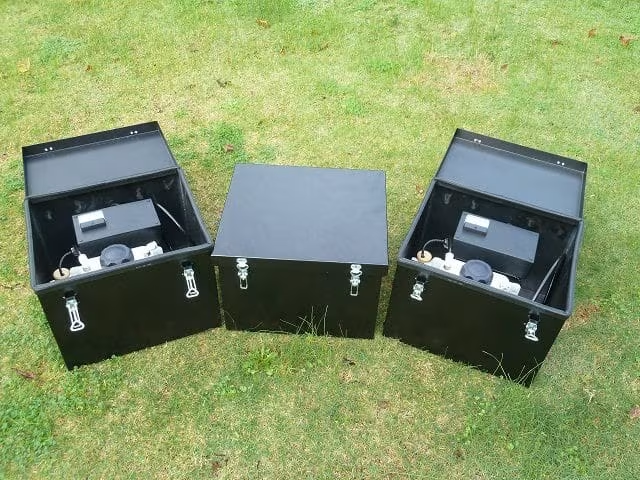
Brilliant Invention Gen 20 Hydrogen Generator ---(update Feb 7... Full Story
Will HHO Affect Turbochargers? Facts That Matter - Nov... Full Story
Marine Vessel HHO Fuel Trial for Real Fuel Savings... Full Story
HHO Kits That Make Hard-Working Engines Work - Nov... Full Story
Payment Methods Partner:

© 2026 Hydrogen Fuel Systems Pty Ltd