Brilliant Invention Gen 20 Hydrogen Generator July 2 2026
Brilliant Invention Gen 20 Hydrogen Generator ---(update Feb 7... Full Story


by Gavan Knox MSc, BSc, BEd, Inventor
WhatsApp call +61 403177183
contact gavan@hfuel.com.au
https://hydrogenfuelsystems.com.au
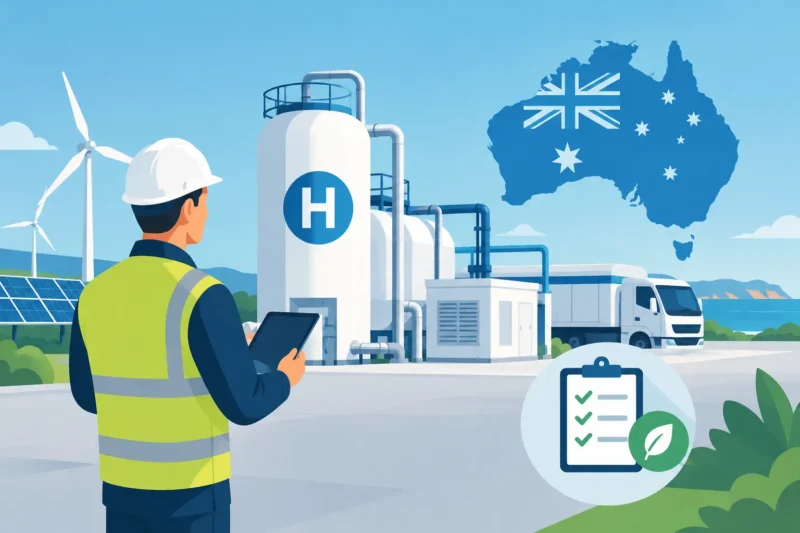
Hydrogen Retrofit Compliance Guide for Australia – Nov 11. A hydrogen retrofit is not a bolt-on shortcut. If you want lower fuel use, cleaner combustion and stronger day-to-day engine response without creating a registration, insurance or safety headache, the job has to be planned properly. This hydrogen retrofit compliance guide sets out what Australian vehicle and equipment owners need to consider before fitting an on-board HHO system.
For a tradie’s ute, a working truck, a 4WD, a diesel generator or a marine engine, compliance is part of the return on investment. A system that is correctly selected, securely installed and properly documented is far more likely to keep delivering the operating benefits you bought it for.
The first question is not which generator size looks best. It is whether the proposed system suits the engine, duty cycle and vehicle configuration. A light passenger vehicle driven around town has different electrical capacity, under-bonnet space and operating loads from a road train, excavator, fishing boat or standby generator.
An HHO retrofit normally involves changes to the engine bay, intake tract and electrical system. Depending on the installation, it can also involve water reservoirs, hoses, wiring looms, relays, fuses, brackets and control components. Each item must be placed and secured with the vehicle’s existing safety systems in mind.
Before purchasing, confirm the engine type, displacement, fuel type, charging-system condition and available mounting space. Be realistic about the application. A system that is too small may not produce the intended result; a poorly matched or poorly mounted system can create avoidable faults, leaks or downtime. The right specification is the foundation of a compliant installation.
Australia does not have one single rule that covers every hydrogen enhancement retrofit on every vehicle. Requirements can depend on the state or territory where the vehicle is registered, the vehicle category, the type of modification and whether the change affects safety or emissions performance.
For road-registered vehicles, Australian Design Rules, state-based modification frameworks and roadworthiness requirements all matter. In many cases, a modification that changes the engine’s fuel, emissions, intake or electrical arrangements may need assessment by an approved engineer or recognised vehicle certifier. The exact pathway can differ between Western Australia, New South Wales, Queensland, Victoria and other jurisdictions.
Do not assume that a kit being suitable for installation means every vehicle can be modified without notification or certification. Speak with the relevant state registration authority or a qualified automotive engineer before the work begins, particularly for commercial fleets, heavy vehicles, modified 4WDs and vehicles operating under strict site or contract requirements.
Off-road equipment, stationary generators and marine applications follow a different path. They may not need road registration approval, but workplace safety obligations, electrical standards, insurer requirements, vessel rules and site procedures can still apply. Mining, construction and government contracts often impose their own documentation standards. Get these requirements in writing before committing to an installation.
A retrofit must not disable, remove, bypass or interfere with factory emissions equipment. That includes diesel particulate filters, exhaust gas recirculation systems, catalytic converters, oxygen sensors, engine-control sensors and evaporative emissions components.
The goal of hydrogen enhancement is improved combustion efficiency, not defeating the systems fitted by the manufacturer. Any intake connection must be carefully positioned so it does not compromise sensor operation, introduce unmetered air where that is unsuitable, or create a fault code. Modern common-rail diesels and electronically managed petrol engines need an installation approach that respects the factory calibration.
If the vehicle is subject to emissions testing, fleet inspections or annual roadworthiness checks, retain the technical documents for the retrofit and record the installation date, component details and installer information. Proof beats guesswork when questions are raised later.
Hydrogen is flammable. HHO gas must be treated with the same practical respect you would give any fuel or ignition-related system. Good installation practice is not optional, even on a basic system.
The generator and reservoir need a stable mounting point away from excessive heat, moving belts, sharp edges and direct impact zones. Brackets should be strong enough for vibration, corrugations and rough-track use. A system that looks fine in a workshop but shifts after 500 kilometres of outback roads is not fit for purpose.
Hoses must be heat-resistant, routed clear of exhaust components and protected from chafing. Electrical wiring should be correctly fused, insulated, supported and sized for the load. A relay-controlled power supply that operates appropriately with the ignition helps prevent unwanted operation when the engine is off. Connections need to stay dry, tight and accessible for inspection.
Use the supplied safety components as specified. That may include check valves, flashback protection, filters and purpose-designed fittings. Do not substitute improvised plumbing parts, undersized cable or random hardware-store connectors simply to finish the job faster. Saving a few dollars on the installation can cost far more in repairs, downtime or a rejected inspection.
An on-board hydrogen generator draws power from the vehicle charging system, so battery and alternator condition matter. Test the battery, charging voltage and earth points before fitting the system. Existing electrical problems do not disappear once a new accessory is installed.
For high-use fleet vehicles, generators and marine engines, calculate total electrical demand at operating speed. Auxiliary lighting, refrigeration, winches, communications gear and inverters all add load. If the alternator is already near capacity, address that first. A properly engineered hydrogen system should support the application, not leave you chasing low-voltage warnings or flat batteries.
A serious retrofit should have a paper trail. Keep the kit specifications, installation instructions, wiring diagram, safety information, invoices, photographs and any test or certification documents supplied for the equipment. If an engineer approves the modification, retain the certificate with your vehicle records.
This is especially valuable when selling the vehicle, changing insurers, tendering for fleet work or managing a large mixed fleet. It shows the system was not a backyard experiment. It was installed as a documented aftermarket upgrade with defined components and an accountable process.
For commercial operators, add the HHO system to your maintenance schedule. Record fluid checks, hose inspections, fuse condition, bracket security and electrical-connection checks. A five-minute inspection during routine servicing can prevent a small issue becoming a lost day on the road.
Modified vehicles should be disclosed to the insurer. Do it before installation where possible, not after a claim. Ask whether the hydrogen system affects cover, agreed value, roadside assistance or commercial-use conditions, and request the response in writing.
If the vehicle belongs to an employer, is leased, or works on customer sites, approval may also be needed from the fleet manager, lease provider or site operator. This is common in transport, civil works, mining and utilities. The person paying for fuel savings is not always the person responsible for vehicle compliance, so make sure both sides are involved.
Before the vehicle goes into service, confirm these essentials:
The best results come from treating hydrogen enhancement as a proper vehicle upgrade, not a quick accessory fitment. Correct sizing, disciplined installation and clear documentation give you the strongest platform for fuel-saving performance while protecting the vehicle you depend on to earn.
Hydrogen Fuel Systems supplies application-focused HHO equipment and technical material, but the final responsibility is to fit and operate each system safely within the rules that apply to your vehicle and location. Check the approval path first, install it properly, then let the engine get on with the hard work.
Wednesday, November 11, 2026
Brilliant Invention Gen 20 Hydrogen Generator ---(update Feb 7... Full Story
Will HHO Affect Turbochargers? Facts That Matter - Nov... Full Story
Marine Vessel HHO Fuel Trial for Real Fuel Savings... Full Story
HHO Kits That Make Hard-Working Engines Work - Nov... Full Story
Payment Methods Partner:

© 2026 Hydrogen Fuel Systems Pty Ltd