Brilliant Invention Gen 20 Hydrogen Generator July 2 2026
Brilliant Invention Gen 20 Hydrogen Generator ---(update Feb 7... Full Story


by Gavan Knox MSc, BSc, BEd, Inventor
WhatsApp call +61 403177183
contact gavan@hfuel.com.au
https://hydrogenfuelsystems.com.au
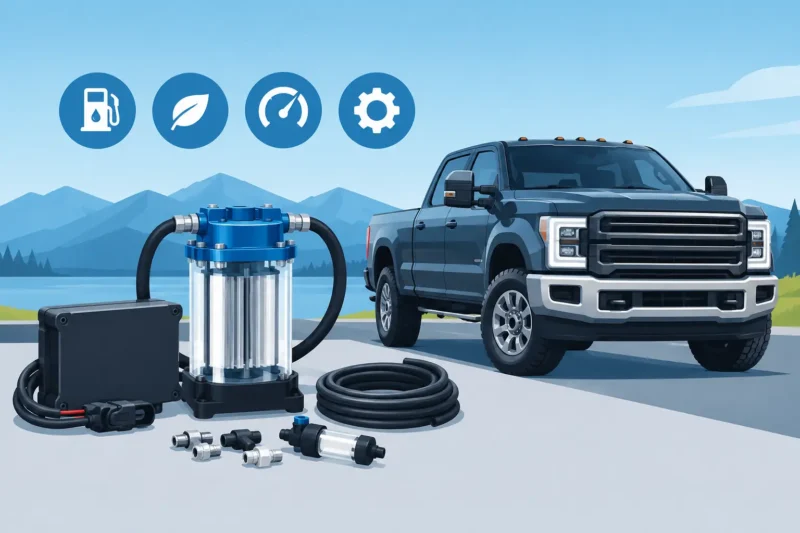
Best HHO Kits for Trucks That Fit the Job – Nov 14. A truck that burns serious fuel needs more than a cheap hydrogen cell and a promise on a box. The best HHO kits for trucks are correctly sized for the engine, built with dependable electrical protection and installed to suit the vehicle’s actual workload. Get those fundamentals right and an on-board hydrogen system can support cleaner, more complete combustion while helping reduce the cost of every kilometre.
For an owner-driver, that means looking beyond the lowest kit price. For a fleet manager, it means choosing equipment that can be documented, serviced and repeated across suitable vehicles. The right system is not necessarily the biggest unit available. It is the one that matches engine capacity, fuel use, duty cycle and installation space without compromising reliability.
An HHO kit produces hydrogen and oxygen gas on demand from water and electrical power. The gas is introduced into the engine’s air intake as a combustion enhancement. On a working petrol or diesel truck, the objective is straightforward: improve combustion efficiency so the engine can do more useful work from the fuel already being injected.
Trucks create a tougher environment than a light passenger car. They spend more time under load, generate more vibration and heat, and often run for long distances with little downtime. A kit that looks acceptable on a weekend ute may not have the output, wiring standard or component durability for a commercial diesel doing daily deliveries, towing equipment or covering interstate kilometres.
The strongest systems are designed as complete packages. The generator is only one part of the job. A truck-ready setup also needs a properly rated power supply, secure hoses and fittings, a reliable reservoir arrangement, filtration, electrical protection and clear installation instructions. If any of these components are treated as an afterthought, the result can be inconsistent output and unnecessary maintenance.
The most common mistake is choosing a generator by price rather than engine demand. A small system may be fine for a compact diesel ute that sees mixed driving, but it can be undersized for a loaded truck, large-capacity four-wheel drive or vehicle that idles and works hard for extended periods.
Hydrogen Fuel Systems offers Gen 10, Gen 15, Gen 20 and Gen 25 systems, giving buyers a practical range to match the generator to the application. The correct selection depends on more than engine litres. Consider whether the truck is naturally aspirated or turbocharged, petrol or diesel, lightly used or working every day, and whether it regularly tows, carries tools or operates at highway speeds.
A modestly sized vehicle with low annual kilometres may not justify the largest system. A high-kilometre diesel work truck, on the other hand, has more fuel exposure and more opportunity for a well-matched kit to earn its keep. That is where system sizing becomes a commercial decision rather than an accessory purchase.
A tradie’s ute that runs between job sites faces a different load profile from a courier van, a regional service truck or a tray truck carrying equipment. Stop-start operation, long idle periods, heavy towing and sustained highway running all affect how the engine uses fuel.
Before selecting a kit, record average fuel use, weekly distance, typical payload and the engine’s service condition. This creates a baseline. Without one, it is difficult to judge whether a fuel-saving result is real or simply the effect of a lighter load, better driving habits or changing traffic conditions.
Do not expect any enhancement system to fix mechanical faults. Dirty injectors, boost leaks, blocked filters, incorrect tyre pressures, worn sensors and poor servicing will hurt consumption before an HHO kit gets a chance to perform. Start with a sound engine, then use hydrogen enhancement as part of a disciplined operating-cost strategy.
A bargain HHO generator can be expensive if it requires constant attention or creates an electrical problem. Truck installations need secure mounting, vibration resistance and wiring that is appropriate for the vehicle’s electrical system. Connections must be protected from heat, water and chafing, particularly on vehicles that see dirt roads, worksites or coastal conditions.
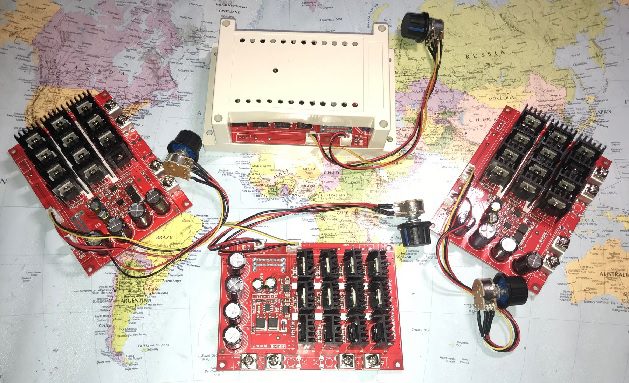
The power supply matters because the generator must operate consistently without placing unnecessary strain on the electrical system. Quality relays, fuses, cable sizing and switched ignition control are not optional extras. They are the difference between a professional installation and a kit that becomes a fault-finding exercise. Hydrogenfuelsystems use 3000 Watt PWM power supplies that are able to handle currents up to 60 amp and are 12 V / 24 V .
Water management also deserves attention. A system should make it practical to monitor fluid level, maintain the correct electrolyte mix where required, and keep contaminants out of the generator. Filters and properly routed lines help protect the intake side of the installation. The job should look deliberate under the bonnet, not improvised.
For many buyers, installation documentation is a deciding factor. Clear fitting instructions, technical sheets and available replacement parts reduce downtime and make servicing easier. This is particularly valuable for fleets and distributors that need a repeatable installation process across multiple truck types.
Fuel is expensive, so bold claims get attention. But serious truck operators should ask sharper questions. What testing supports the product? Are certification documents, technical specifications or independent reports available? Can the supplier explain generator sizing, electrical requirements and maintenance rather than just quoting a savings percentage?
Real outcomes vary. Engine condition, load, route, driving style, ambient temperature and fuel quality all influence the result. A truck hauling a heavy load through hilly country will not produce the same figures as the same model travelling empty on a flat freeway. Anyone promising identical savings for every truck is not accounting for how trucks are actually used.
That does not mean results cannot be measured. Track litres per 100 km, kilometres travelled, load type and idle hours before and after installation. Use several comparable fuel cycles, not one tank. Fleet operators should compare similar vehicles running similar routes where possible. The data will show whether the kit is delivering an operational benefit in that application.
Fuel savings are often the first reason to investigate HHO, but they are not the only consideration. Better combustion can support improved engine response and torque feel, particularly where the vehicle works under load. Reduced exhaust emissions and lower soot formation are also relevant for operators concerned with cleaner running and engine condition.
These benefits still depend on the vehicle and installation. A correctly sized, well-maintained system gives the best chance of consistent performance. An oversized or poorly fitted setup is not a shortcut to better results.
Ask the supplier which generator size suits your engine and why. Ask what is included in the electrical package, how the unit is mounted, what maintenance is expected and whether replacement components are readily available. If the truck has a turbo, aftermarket accessories or limited under-bonnet space, raise that before ordering rather than after the kit arrives.
It is also worth checking how installation affects your particular vehicle’s warranty, insurance and applicable Australian roadworthiness requirements. A reputable supplier should provide practical technical guidance, not pressure you into a one-size-fits-all purchase.
The best truck HHO kit is the one selected for the work your vehicle actually performs, installed with care and measured against real fuel records. Treat it like any other operating-cost investment: specify it properly, fit it properly and let the numbers do the talking.
by Gavan Knox MSc, BSc, BEd, Inventor
WhatsApp call +61 403177183
contact gavan@hfuel.com.au
https://hydrogenfuelsystems.com.au
Saturday, November 14, 2026
Brilliant Invention Gen 20 Hydrogen Generator ---(update Feb 7... Full Story
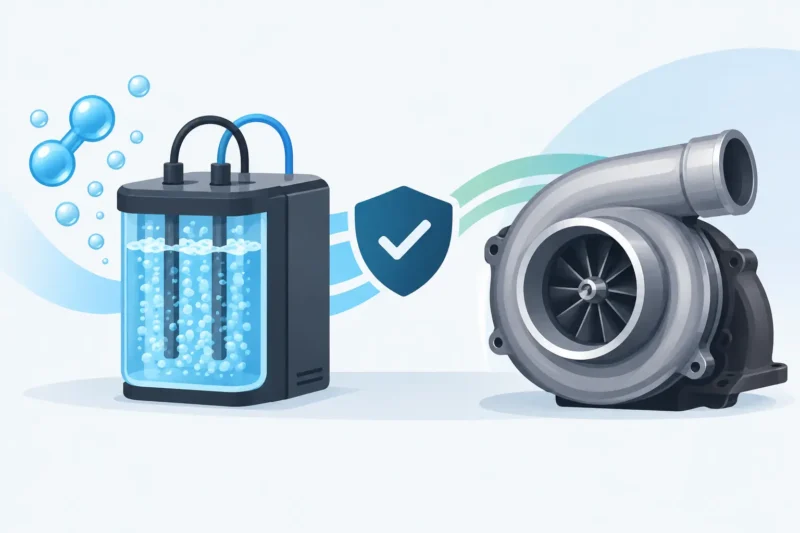
Will HHO Affect Turbochargers? Facts That Matter - Nov... Full Story
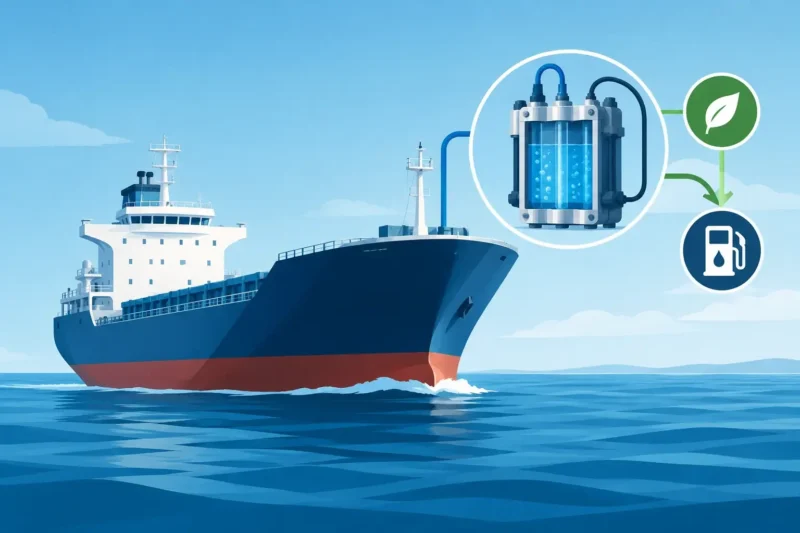
Marine Vessel HHO Fuel Trial for Real Fuel Savings... Full Story
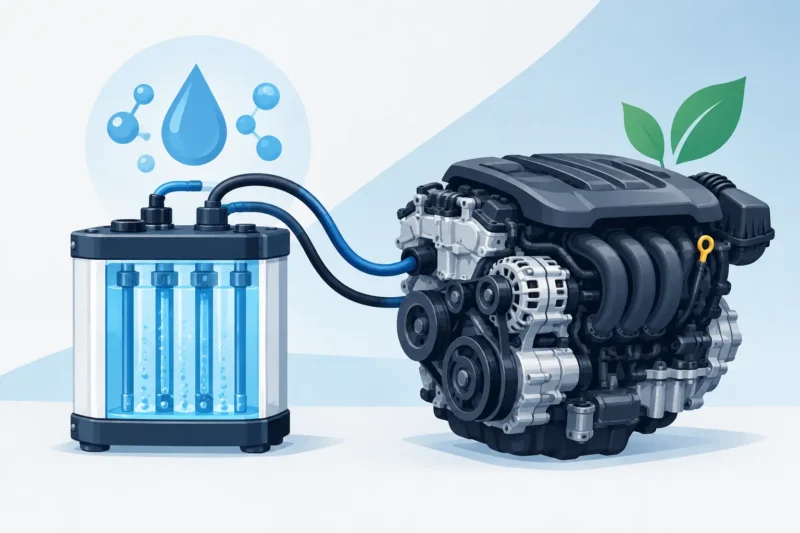
HHO Kits That Make Hard-Working Engines Work - Nov... Full Story
Payment Methods Partner:

© 2026 Hydrogen Fuel Systems Pty Ltd