Brilliant Invention Gen 20 Hydrogen Generator July 2 2026
Brilliant Invention Gen 20 Hydrogen Generator ---(update Feb 7... Full Story


by Gavan Knox MSc, BSc, BEd, Inventor
WhatsApp call +61 403177183
contact gavan@hfuel.com.au
https://hydrogenfuelsystems.com.au
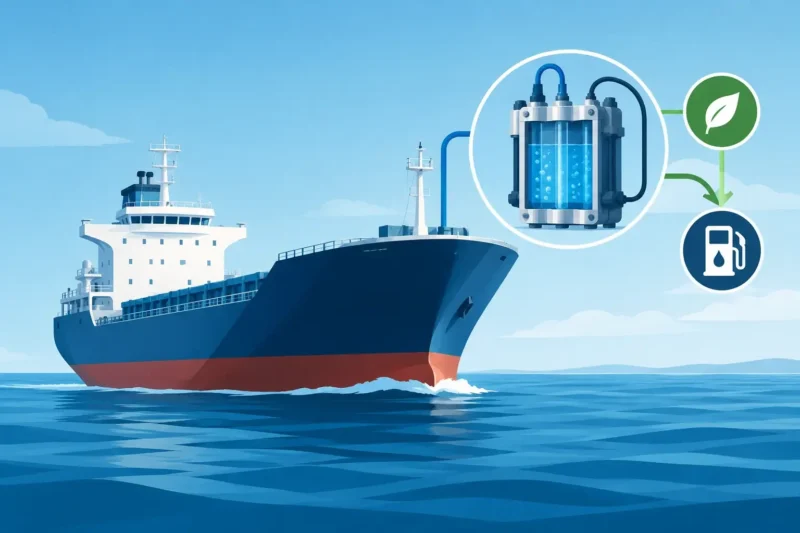
Marine Vessel HHO Fuel Trial for Real Fuel Savings – Nov 17. A boat can burn through more fuel in one hard-working day than a road vehicle uses in a week. That is why a marine vessel HHO fuel trial needs more than a quick glance at the fuel gauge after fitting a system. If you want an answer worth acting on, test it like an operator: control the route, record the load, measure the fuel and compare like with like.
For commercial skippers, charter operators, fishing crews and serious recreational boat owners, the question is simple. Can on-board hydrogen assistance reduce fuel use without compromising the reliability demanded at sea? A proper trial is how you separate a measurable operating result from a hopeful claim.
HHO systems generate a hydrogen and oxygen gas mixture on demand through electrolysis. The gas is introduced into the engine intake as a combustion enhancer, not as a replacement for diesel or petrol. The intended result is a cleaner, more complete burn that can improve combustion efficiency under the right operating conditions.
On a vessel, that result must be demonstrated against the realities of marine work. Hull condition, current, wind, sea state, propeller condition, payload, engine temperature and throttle setting can all move fuel consumption dramatically. A trial that ignores those variables may produce a number, but not a number you can trust.
The core measurement is fuel consumed per nautical mile at a defined operating profile. For a work boat, that may be litres per nautical mile at normal loaded cruising speed. For a generator-driven vessel, it may be litres per hour at a fixed electrical load. Engine RPM, speed over ground, engine temperature and exhaust observations provide valuable supporting evidence.
Do not judge the system solely by whether the boat feels sharper. Improved throttle response can be useful, but the commercial case rests on repeatable fuel figures and the dollar value attached to them.
Before installation, establish what the vessel uses now. Run at least three baseline sessions if practical, preferably across comparable weather and tide conditions. Use the same route, the same direction pattern and the same engine settings. If the boat normally operates with a crew, ice, tools, traps or cargo aboard, test it at that genuine working weight.
A calibrated fuel-flow metre is the strongest option because it records actual consumption continuously. If that is not available, use a carefully measured fuel tank level or a separate calibrated day tank. Dashboard fuel readings are useful for a rough indication, but they are rarely accurate enough to validate a fuel-saving percentage on their own.
Record the essentials in a simple log: date, engine hours, fuel added or burned, route distance, average speed, RPM, payload, sea state, wind, current direction and any unusual operating event. A fouled hull or a head sea can distort the result far more than most operators expect.
The baseline is not paperwork for paperwork’s sake. It is your reference point. Without it, there is no credible way to know whether the change came from the HHO system, calmer conditions, a lighter load or a skipper running a different throttle position.
Most vessels do not spend their entire day at wide-open throttle. A cray boat towing gear, a fishing vessel travelling to grounds and a patrol boat on station all have different fuel profiles. Test the operating zone where the engine spends the most hours and burns the most fuel.
That may mean a fixed 1,800 RPM cruise test, a displacement-speed run, or a generator test at a stable 50 per cent electrical load. If the engine operates across several distinct modes, measure each one separately. A strong result at one RPM does not automatically apply across the whole rev range.
Marine installation is not automotive installation with a longer hose. Salt air, vibration, washdown, confined engine spaces and electrical corrosion demand careful component placement and secure mounting.
The generator, reservoir, wiring and fittings need to be mounted where they are protected from direct spray, excessive heat and mechanical damage, while remaining accessible for inspection. Marine-grade wiring practice matters. Use correctly sized cable, fuse protection close to the power source, quality terminals, secure cable runs and protection against chafe. Every connection should be built for vibration, not just for a clean-looking installation on day one.
The gas delivery path must be sealed, routed correctly and protected with the appropriate safety components specified for the system. Do not improvise fittings, bypass safety devices or fit an HHO system where it can interfere with engine controls, bilge equipment, ventilation or required safety systems.
Petrol engines require particular caution because fuel vapour risk in an enclosed engine compartment changes the installation equation. Diesel marine applications are often the most straightforward because they commonly run long hours under sustained load, but every vessel and engine layout must be assessed on its own merits.
If the vessel is in survey, commercially insured, under warranty or subject to workplace safety requirements, confirm the relevant approval, documentation and installation obligations before proceeding. A fuel-saving project is not a win if it creates a compliance issue.
The best practical method is to alternate baseline and HHO-assisted runs across several days or operating cycles. This reduces the risk that one unusually favourable day gets mistaken for a system result.
For example, complete a defined route at a fixed RPM with the HHO system inactive, then repeat it under comparable conditions with the system active. Continue the sequence enough times to build a useful sample. If possible, have the person recording fuel figures avoid knowing which run is being compared until after the data is captured. That small discipline helps prevent expectations from influencing throttle choices or note-taking.
Keep the engine maintenance condition consistent. Do not change injectors, service the propeller, clean the hull or alter the fuel source halfway through the evaluation and then credit every improvement to the HHO system. Those changes may be worthwhile, but they need to be recorded as separate variables.
A good trial also watches for side benefits. Operators may observe smoother running, reduced visible smoke, cleaner exhaust behaviour or improved response under load. These are relevant operational observations, but they should sit beside – not replace – measured fuel consumption.
Once you have enough comparable runs, calculate the average fuel use for baseline and assisted operation. The basic calculation is:
Fuel saving percentage = (baseline fuel use – trial fuel use) ÷ baseline fuel use × 100
Then turn that percentage into annual dollars. If a vessel burns 30,000 litres a year, even a modest verified reduction can have a meaningful effect on operating costs. Conversely, a low-hour recreational boat may show a positive result but take longer to recover the installed cost. Usage, not enthusiasm, determines the payback period.
Be honest with the result. If the data shows a change smaller than the normal variation caused by weather and load, extend the trial. If the result is repeatable, document it. A clear log with fuel records, engine hours and operating conditions is useful for fleet decisions, business planning and future maintenance comparisons.
The strongest candidates are generally vessels that operate regularly, consume meaningful fuel volumes and spend long periods under predictable engine load. Work boats, charter boats, fishing vessels, tenders with high engine hours and marine generators can all justify a serious assessment because every measurable litre saved has a direct financial value.
Results will vary. Engine condition, tuning, duty cycle, installation quality and the discipline of the trial all matter. An HHO system is not a substitute for fixing a dirty hull, damaged propeller, poor injector performance, restricted air intake or an engine that is overdue for service. Get the fundamentals right first, then test the enhancement properly.
Hydrogen Fuel Systems supplies HHO generator options for marine and other high-use engine applications, backed by installation guidance and technical materials. The right system size and layout should match the engine, electrical capacity and working profile of the vessel rather than be selected on price alone.
A well-run trial gives you something far more valuable than a sales pitch: a record of what your own vessel does, on your own fuel, under the conditions that actually cost you money. Measure it carefully, keep the installation safe, and let the operating figures make the next decision.
by Gavan Knox MSc, BSc, BEd, Inventor
WhatsApp call +61 403177183
contact gavan@hfuel.com.au
https://hydrogenfuelsystems.com.au
Brilliant Invention Gen 20 Hydrogen Generator ---(update Feb 7... Full Story
Will HHO Affect Turbochargers? Facts That Matter - Nov... Full Story
Marine Vessel HHO Fuel Trial for Real Fuel Savings... Full Story
HHO Kits That Make Hard-Working Engines Work - Nov... Full Story
Payment Methods Partner:

© 2026 Hydrogen Fuel Systems Pty Ltd