Brilliant Invention Gen 20 Hydrogen Generator July 2 2026
Brilliant Invention Gen 20 Hydrogen Generator ---(update Feb 7... Full Story


A boat engine does not get an easy life. Long hours at steady RPM, heavy loads, salt air and rising diesel costs expose every weakness in combustion efficiency. The best hydrogen kits for boats are not simply the biggest units you can fit in the engine bay. They are correctly sized, properly installed HHO systems that match the engine’s displacement, fuel burn and operating pattern.
For a commercial skipper, charter operator or serious recreational boatie, the aim is straightforward: burn fuel more efficiently, reduce exhaust smoke and keep the engine working cleaner under load. Choose the wrong kit, use poor wiring or skip maintenance and you will not get the result the system is capable of delivering.
An on-board hydrogen generator produces a controlled hydrogen and oxygen gas mixture from distilled water and electrolyte. That gas is introduced into the air intake, where it supports a faster, more complete fuel burn. It is not a replacement fuel system. It is a combustion enhancement system designed to help the diesel or petrol already entering the cylinders do a better job.
Marine use puts different demands on a kit than a passenger car. Boat engines often operate at a fixed cruising speed for extended periods, rather than constantly accelerating and decelerating. That sustained load can make a correctly matched HHO system particularly relevant, because combustion conditions remain consistent long enough for fuel-efficiency improvements to be measured over real operating hours.
The best marine setup has three things working together: generator output sized for the engine, marine-sensible mounting and plumbing, and electrical protection that can handle vibration, moisture and continuous duty. A kit that performs well on a light-duty ute is not automatically suitable for a twin-engine cruiser or a hard-working fishing vessel.
There is no single best hydrogen kit for every vessel. Engine capacity is the starting point, but total fuel consumption and duty cycle matter just as much. A lightly loaded 6-litre diesel and a heavily worked 6-litre diesel may need very different system planning.
A Gen 10 system is generally the sensible entry point for smaller petrol or diesel engines, tenders, compact runabouts, small auxiliary engines and light generator applications. It suits operators who want a compact installation and modest gas output matched to modest fuel use.
Do not oversize a small engine in the hope of forcing a bigger saving. Excess output is not a shortcut to better results. Correct gas volume, clean intake air and a sound engine are what matter. For smaller boats with limited installation space, the compact footprint can be as important as generator capacity.
The Gen 15 is a strong choice where engine size, cruise hours and fuel use sit in the middle ground. This can include larger trailer boats, cabin cruisers, service vessels and single-engine work boats that spend regular hours under load.
This size is often where owners start to see why system matching matters. A boat that only runs occasionally may take longer to return the installation cost than a vessel used weekly for fishing, transport or charter work. The more fuel you burn, the more important combustion efficiency becomes to operating cost.
For larger diesel engines, heavier vessels and commercial applications, Gen 20 output provides the capacity needed to support a higher-volume intake and fuel flow. It is suited to engines that work consistently rather than simply idle at the marina.
A Gen 20 installation needs careful consideration of mounting location, hose routing, intake connection and electrical load. Keep the generator away from direct spray, excessive heat and moving service areas. It must remain accessible for routine water checks and filter servicing without turning basic maintenance into a major job.
Gen 25 systems are for serious engine capacity and serious fuel consumption. Think large displacement marine diesels, twin-engine vessels, heavy commercial boats and high-hour applications where every percentage improvement in fuel use can have a meaningful financial impact.
The largest kit is not automatically the right answer for a twin-engine boat. In many cases, each engine should be assessed separately. Engine displacement, intake layout, operating RPM and available mounting space all determine whether one larger system or dedicated systems provide the better installation outcome.
For commercial operators, this is where proper planning pays. Record engine hours, litres consumed, route conditions and load before fitting a system. Then compare the same operating profile after installation. Hard numbers from your own vessel carry more weight than a guess based on a single trip in changing sea conditions.
A hydrogen generator is only one part of the system. The best hydrogen kits for boats include the components needed to control gas flow, protect the electrical circuit and keep the installation serviceable. In the marine environment, shortcuts become expensive quickly.
Use secure brackets that can handle vibration. Run wiring in protected conduit where practical and fit correctly rated fuses and relays close to the power source. Connections should be clean, tight and protected from corrosion. A poor earth, undersized cable or unprotected terminal can undermine the performance and reliability of the entire system.
The gas line must be routed away from heat sources, sharp edges and areas where it can be crushed or chafed. Water traps, filters and non-return protection are not optional extras. They are part of a controlled, safe gas delivery system. Follow the supplied installation documentation rather than improvising around components you do not understand.
Marine electrical work also needs to respect the vessel’s existing charging system. The generator should operate only when the engine is running, not flatten batteries while the boat is tied up. A voltage-controlled supply arrangement helps ensure the system activates under charging voltage and shuts down when the engine is off.
Hydrogen enhancement works best when the base engine is mechanically sound. It will not repair worn injectors, a blocked air filter, split intake hoses, incorrect valve clearances or a turbocharger problem. Fix those faults first.
For diesel engines, inspect the intake tract, intercooler hoses, fuel filtration and injector condition. For petrol engines, confirm ignition components, air-fuel control and intake sealing are in order. If the engine is producing excessive smoke, lacks power or has a known fault code, diagnose it before fitting any performance enhancement system.
This is not a reason to delay a kit indefinitely. It is a reason to protect the investment. A well-maintained engine gives the HHO system a fair chance to improve burn quality, reduce unburnt fuel and support smoother operation under load.
Marine fuel figures can be misleading when conditions change. Tides, wind, hull fouling, payload, cruising speed and propeller condition all affect litres per hour. If you want a credible result, measure before and after under comparable conditions.
Record engine hours, fuel added, average RPM, route, load and sea state. For a commercial boat, track at least several operating cycles rather than relying on one day. Calculate litres per engine hour and, where possible, litres per nautical mile. This gives you a usable operating figure rather than a sales pitch or a hopeful estimate.
Fuel savings, emissions reduction and engine response depend on the vessel and the condition of its engine. The strongest results generally come from high-use engines where combustion quality, load and fuel consumption are consistent enough to verify. A hydrogen kit should earn its place on board through measurable operating performance.
A boat is not the place for mystery components and vague claims. Look for a supplier that provides clear specifications, fitting instructions, replacement parts and application advice for marine use. Hydrogen Fuel Systems offers generator sizes from Gen 10 through Gen 25, allowing owners to select capacity based on the engine and the job rather than buying a one-size-fits-all package.
Before ordering, know your engine capacity, fuel type, number of engines, typical RPM, average operating hours and available mounting area. Those details make it far easier to select the right output level and avoid unnecessary rework after the kit arrives.
A properly sized hydrogen kit will not make rough seas disappear or turn neglected machinery into a new engine. What it can do is give a well-maintained boat a cleaner, more efficient burn where it counts: hour after hour under real load. Start with accurate engine information, install it properly and let your fuel records tell the story.
Tuesday, November 24, 2026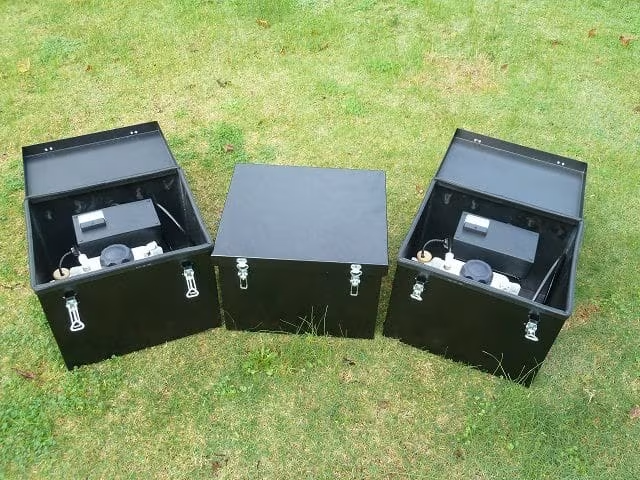
Brilliant Invention Gen 20 Hydrogen Generator ---(update Feb 7... Full Story

A boat engine does not get an easy life.... Full Story
How to Maintain Hydrogen Generator Systems - NOV 22... Full Story
Marine Engine Hydrogen Case Study Results - Nov 21... Full Story
Payment Methods Partner:

© 2026 Hydrogen Fuel Systems Pty Ltd