Brilliant Invention Gen 20 Hydrogen Generator July 2 2026
Brilliant Invention Gen 20 Hydrogen Generator ---(update Feb 7... Full Story
Perth, West Australia




.
Certified emissions test resuts June 2023
Engine cleaning
Engine clogging issues
Engine clogging is a real problem!
It increases consumption, reduces performance, releases fumes, causes lags in acceleration and faulty starts and makes the engine management and particulate filter light turn on unexpectedly. These issues are often caused by a combustion problem, resulting in engine choking
Engine Cleaning without Disassembly
The hydrogen atoms introduced into the vehicle system by the intake manifold of the engine, have the property of dissolving all the carbon residues that have formed over the years due to the unburned fuel. Thanks to a treatment for 40/50 minutes, you will get the cleaning of the entire combustion chamber, cleaning all the carbonaceous residues obtaining considerable advantages:

Why Decarbonize Your Vehicle’s Engine?
Because a clean engine means polluting less and extends the life of the same.
Engine soot removal or internal engine cleaning is performed to restore your engine’s original performance. It cleans the parts subjected to combustion, i.e.:
The hydrogen pulsed through the engine intake is mixed with the injected fuel. Hydrogen has a calorific capacity 3 times greater than liquid fuels such as gasoline or diesel and will increase the flammability of your original fuel.
Clean engines using Hydrogen Generator
This increase in flammability makes it possible to burn all the fuel injected into the engine (an engine burns only 65% of its fuel; the remaining 35% is composed of:
Pyrolysis effect
By increasing the fuel’s flammability, the temperature of the exhaust gases increases, allowing the total combustion by pyrolysis of the soot particles deposited in the engine due to poor combustion of the injected fuel.
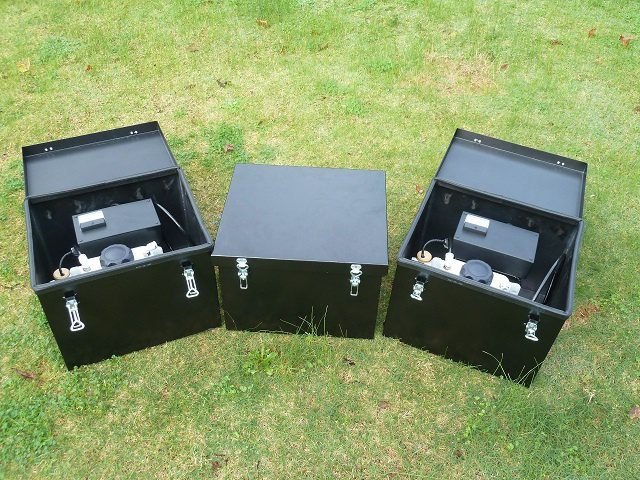
Brilliant Invention Gen 20 Hydrogen Generator ---(update Feb 7... Full Story

by Gavan Knox HFS whats app +61 403177183 gavan@hfuel.com.au... Full Story
A diesel that works hard does not hide its... Full Story

Best Vehicles for HHO Upgrades in Australia - Oct... Full Story

Fuel Economy Methodology That Produces Real Numbers - oct... Full Story
Payment Methods Partner:

© 2023 - Hydrogenfuelsystems pty ltd