Brilliant Invention Gen 20 Hydrogen Generator July 2 2026
Brilliant Invention Gen 20 Hydrogen Generator ---(update Feb 7... Full Story
Perth, West Australia




by Gavan Knox MSc, BSc, BEd, Inventor
WhatsApp call +61 403177183
contact gavan@hfuel.com.au
https://hydrogenfuelsystems.com.au
A generator that is too small for a hard-working diesel is not a bargain – it is a bottleneck. The best HHO kits Australian buyers can fit are not chosen by a flashy promise or the lowest upfront price. They are matched to the engine’s capacity, duty cycle, electrical system and the fuel bill the vehicle or machine is producing every week.
For a commuter car, the right system may be compact and straightforward. For a loaded ute, a long-haul truck, a boat running under steady load or a generator burning fuel for hours at a time, generator capacity and installation quality matter far more. Buy for the job the engine does, not simply for the badge on the bonnet.

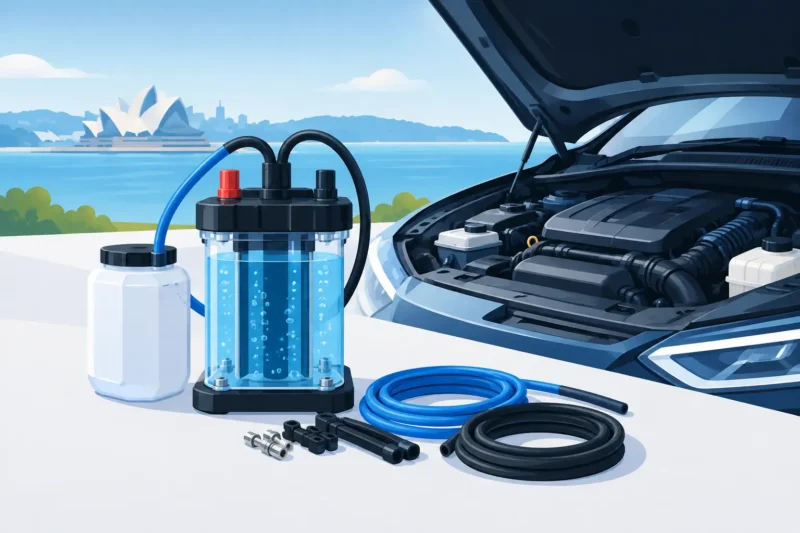
An HHO kit produces hydrogen and oxygen gas on board, using the vehicle or machine’s electrical supply and a water-based electrolyte. The gas is introduced into the intake system to support a cleaner, more complete combustion event. The aim is practical: get more useful work from the fuel being burned, while reducing soot, exhaust emissions and the deposits that can contribute to wear.
That does not mean every kit delivers the same result. A system is only as credible as its cell design, electrical protection, gas management, mounting hardware and the documentation behind it. Cheap universal kits often make the mistake of treating every engine alike. A 1.8-litre petrol hatch and a high-load 6-cylinder diesel tow vehicle do not have the same airflow, fuel use or operating demands.
A serious package should include a properly specified generator, suitable power supply components, filters or bubblers, hose and fittings, mounting provisions and clear installation information. It should also have technical material that lets a buyer assess the system rather than take a vague claim on faith. Look for test reports, certification information, application guidance and performance data that explain how the equipment is intended to work.
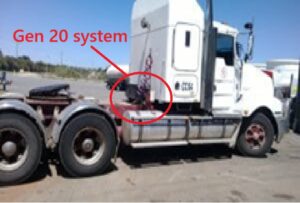
Hydrogen Fuel Systems builds its range around this principle, with Gen 10, Gen 15, Gen 20 and Gen 25 systems for different engine and workload categories. The important part is not the model name. It is selecting the output level that suits the application.
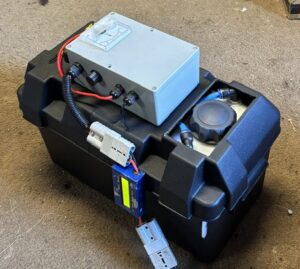
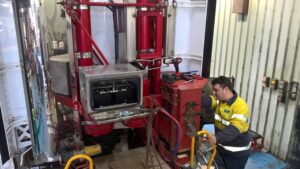
Engine size is the starting point, but it is not the whole answer. A lightly driven 4WD and the same 4WD hauling a caravan through heat, hills and headwinds are two very different applications. Likewise, a diesel generator operating for several hours at a consistent load may justify a more substantial system than a similar-capacity vehicle used only for short school runs.
Cars and small petrol or diesel engines generally need a compact, stable system that does not overcrowd the engine bay or overwhelm the charging system. Fitment should be tidy, with protected wiring, secure hose routing and a location that permits easy servicing. In this category, the goal is efficient support for normal driving rather than chasing oversized gas production.
A smaller generator can be the sensible choice when the vehicle does lots of stop-start work, has limited under-bonnet space or uses a modest alternator. Oversizing simply for the sake of it can create unnecessary electrical demand and complicate an otherwise clean installation.

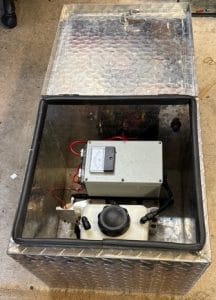
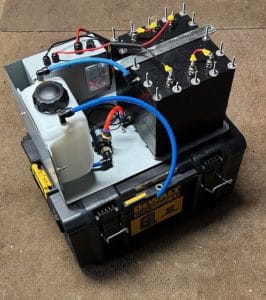
This is where buyers need to look past engine displacement alone. A 4WD used for commuting may suit one configuration. Add a canopy, tools, a trailer, long regional runs and regular towing, and the engine spends much more time under meaningful load. That is the environment where correct HHO system sizing can make commercial sense.
Select a system with the output capacity to complement sustained fuel use, then make sure the alternator, battery condition and cable protection are up to the task. If the vehicle has been modified, consider the full picture: snorkel, intercooler, aftermarket tune, EGR condition and intake cleanliness can all affect the result. An HHO kit should be part of a well-maintained engine package, not a substitute for fixing a fault.
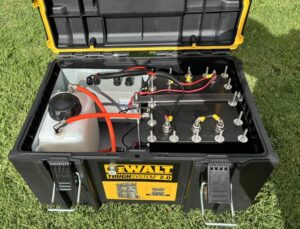

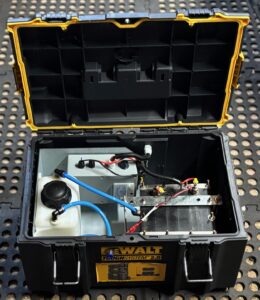
High-consumption equipment is where return on investment can become easier to measure. A truck that covers serious kilometres, a marine engine that runs at steady revs, or a generator with long operating hours burns enough fuel for even a modest efficiency improvement to matter. But these applications also demand the most disciplined installation.
Marine installations need secure mounting, corrosion-aware component placement and careful routing away from heat and moving machinery. Generator installations need reliable electrical connections, vibration resistance and easy access for checks. For trucks and fleet vehicles, the system must survive daily use, road vibration and workshop servicing without creating a nuisance for drivers or mechanics.
The right higher-capacity kit is not automatically the biggest one available. It is the one that suits the engine’s fuel consumption, operating hours and available electrical capacity without compromising reliability.
There is no shortage of aftermarket products promising dramatic fuel savings. The buyers who get the best outcome ask better questions before they spend. They want to know what the kit contains, how it is protected, where it has been applied and what evidence supports the expected outcome.
A credible supplier should be able to provide more than product photos. Ask for installation manuals, wiring diagrams, parts information, technical specifications, test documentation and application examples relevant to your engine type. Patented cell technology and certification documents are worth examining, but they should sit alongside clear instructions and real-world support.
Fuel savings also need to be measured properly. One tank is not a test. Wind, payload, traffic, idling, tyre pressure, route changes and driver behaviour can move consumption figures considerably. For a fleet, compare litres per 100 kilometres or litres per operating hour across a meaningful period, ideally with comparable loads and routes. For a generator or marine engine, record fuel use against hours and load.
This approach protects the buyer and makes the result useful. If the numbers improve, you have evidence for further fitment across the fleet. If they do not, you have a clear basis to inspect installation quality, operating conditions and engine health rather than relying on guesswork.

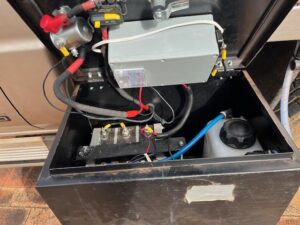
The best hardware can underperform when fitted poorly. The cell must be mounted securely, lines must be kept clear of exhaust heat and sharp edges, and electrical wiring must be fused and routed correctly. A system should be serviceable without dismantling half the engine bay.
Do not treat the intake connection as an afterthought. Gas delivery needs to be positioned and sealed correctly for the engine configuration. The electrical side deserves the same care. Undersized cable, poor earth points, loose terminals or a weak battery can undermine output and create avoidable faults.
For modern vehicles, especially those with sophisticated engine management, consider how the kit fits with the existing setup. A sound installation respects factory systems and follows the supplier’s guidance. If an engine has active fault codes, injector issues, boost leaks, a blocked intake or charging-system problems, repair those first. Better combustion cannot compensate for mechanical neglect.
Australian conditions add another layer. Heat, dust, corrugations, salt air and long-distance driving punish poorly mounted accessories. Choose fittings and mounts that are designed for real use, not just a quick demonstration under workshop lights. A clean, protected installation pays for itself in less downtime and fewer call-backs.
The right purchase decision is commercial, not emotional. Start with the fuel cost you can actually influence. A vehicle using $300 of fuel each week offers a different payback opportunity from a car using $60. High-hour machinery, delivery vehicles, work utes and towing rigs should be assessed on annual fuel spend, not only the purchase price of the kit.
Then include installation, routine servicing, replacement consumables and any downtime. A cheaper kit that lacks correct electrical protection or technical support can become expensive fast. A properly selected system with clear documentation can be the stronger business decision even if its initial price is higher.
Be realistic about variables. Fuel results depend on engine condition, driving style, load, terrain, maintenance and installation quality. The right supplier will help you choose a system around the actual application rather than promise one universal percentage for every engine ever built.
If your vehicle, vessel or machine burns fuel day after day, the decision should come back to output matching, documented design and professional installation. The best HHO kits Australia operators choose are built for the work being done – whether that is city deliveries, remote 4WD travel, transport, marine operation or continuous generator use.
Start with your fuel records, identify how the engine is really worked, and select a kit with the capacity and technical backing to suit. When the system is matched properly and monitored honestly, it becomes another practical tool for reducing operating costs while keeping the engine working hard.
by Gavan Knox MSc, BSc, BEd, Inventor
WhatsApp call +61 403177183
contact gavan@hfuel.com.au
https://hydrogenfuelsystems.com.au
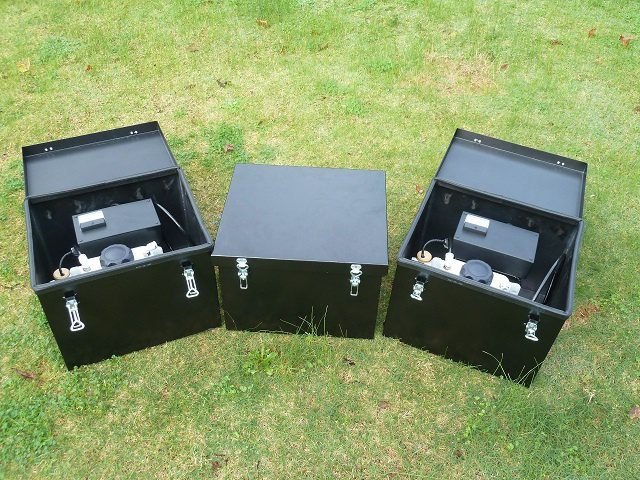
Brilliant Invention Gen 20 Hydrogen Generator ---(update Feb 7... Full Story

by Gavan Knox HFS whats app +61 403177183 gavan@hfuel.com.au... Full Story
A diesel that is smoking, using more fuel or... Full Story

How Do DC-DC Boost Regulators Affect Hydrogen Gas Production?... Full Story
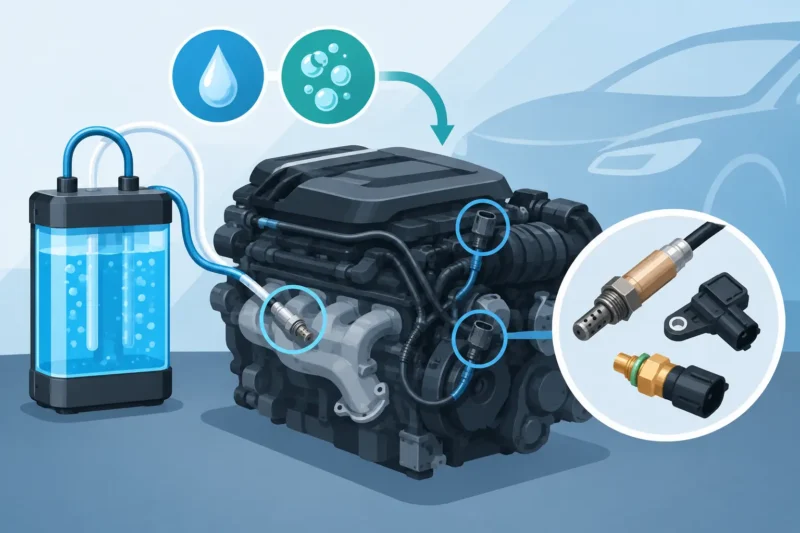
## Can HHO Affect Engine Sensors? What to Check... Full Story
Payment Methods Partner:

© 2023 - Hydrogenfuelsystems pty ltd