Brilliant Invention Gen 20 Hydrogen Generator July 2 2026
Brilliant Invention Gen 20 Hydrogen Generator ---(update Feb 7... Full Story
Perth, West Australia





by Gavan Knox MSc, BSc, BEd.
WhatsApp call +61 403177183
contact gavan@hfuel.com.au
https://hydrogenfuelsystems.com.au
A ute that spends its week towing, carrying tools, idling at sites or clocking up highway kilometres does not need a gimmick under the bonnet. It needs a system matched to the engine, electrical system and workload. That is the real test when comparing the best HHO kits for utes. The right hydrogen generator kit should support cleaner, more efficient combustion without becoming another maintenance headache.
For owner-drivers, tradies and fleet operators, the buying decision comes down to one question: will the kit suit how the vehicle actually works? A lightly used petrol ute, a diesel 4WD pulling a caravan and a loaded work ute doing regional runs have very different demands. Generator size, installation quality and supporting components all matter.

An HHO system generates hydrogen and oxygen on board, then introduces the gas into the engine’s intake system. The intended result is improved combustion efficiency. When combustion is more complete, drivers may see better throttle response, smoother operation, reduced exhaust smoke and lower fuel use, depending on the engine condition, tune, load and driving pattern.
That last part matters. No honest supplier should pretend every ute will deliver identical results. A healthy diesel travelling long distances under steady load may respond differently to a petrol ute used for short suburban runs. The best system is not automatically the biggest unit. It is the one that produces the appropriate gas volume for the engine while fitting safely and neatly into the vehicle.
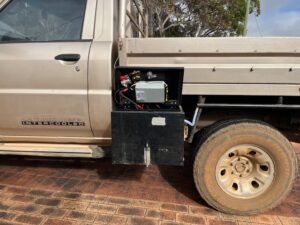
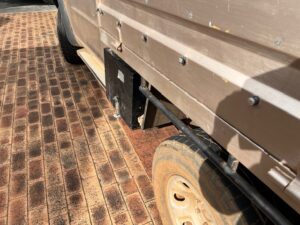
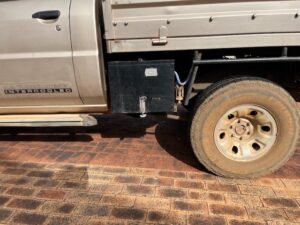
A proper ute kit should include more than a generator cell. Look for a complete package with the generator, reservoir, hoses, electrical protection, wiring, relay, fittings, filter or bubbler arrangement, mounting hardware and clear instructions. If key safety or installation parts are treated as optional extras, the apparent bargain can become expensive quickly.
Hydrogen Fuel Systems supplies Gen 10, Gen 15, Gen 20 and Gen 25 systems. These kit sizes give ute owners a practical way to select a generator according to engine capacity and operating demand rather than buying blind.
For smaller petrol engines and utes that are not constantly loaded, a lower-output system may be the sensible choice. These vehicles generally have less intake demand than a large diesel workhorse, so oversizing the generator can add unnecessary electrical draw and installation complexity.
The goal is controlled output, not maximum output. A correctly matched smaller system can be easier to package in a crowded engine bay and may be the better option for a ute that primarily does local trade work, commuting or occasional towing.

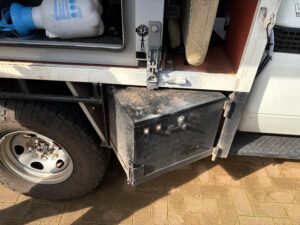
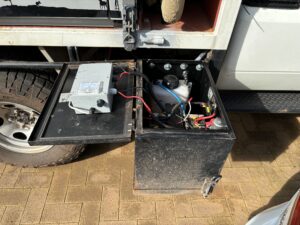
 Mid-size diesel and petrol work utes
This is where many Australian utes sit. Dual-cab diesels, petrol work utes and 4WDs used for a mix of commuting, site travel, tools and trailer work need a system chosen around their regular load, not just their engine badge.
A mid-range kit can suit this type of vehicle where there is enough operating time and fuel consumption to make efficiency improvements worthwhile. If the ute regularly tows, carries a canopy full of gear or operates in hot conditions, discuss the actual duty cycle before selecting a generator size. The difference between occasional towing and daily towing is significant.
Big-capacity engines, heavily loaded utes and vehicles doing sustained highway, rural or commercial kilometres demand more careful sizing. These are the vehicles where fuel cost is highly visible and where a properly configured HHO system can make the strongest business case.
For this category, higher-capacity generator options may be appropriate, but installation quality becomes even more critical. The mounting position must be secure, the hose routing must avoid heat and abrasion, and the electrical system must be protected correctly. A high-demand application is not the place for improvised wiring or cheap fittings.
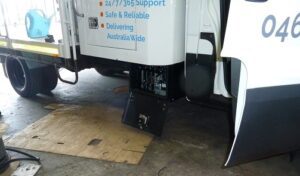
Two kits can look similar in photos while being worlds apart in design and support. The generator cell matters, but it is only one component of a working system. Before committing, assess the quality of the whole package and the evidence behind it.
Start with the cell construction and plate design. A well-built unit should be designed for stable operation, serviceability and a long working life. Then assess the electrical side. Fused power supply components, relays, cable sizing and secure connections are essential because an HHO generator operates in a hot, vibrating automotive environment.
Water management and gas safety components deserve equal attention. The system needs appropriate filtration or bubbling arrangements, quality tubing and non-return protection where specified by the manufacturer. These parts are not cosmetic. They help prevent contamination, manage moisture and protect the intake side of the installation.
Finally, ask for technical documentation. Installation instructions, test material, certification documents and application guidance separate a serious supplier from a seller pushing generic boxes online. If a kit has no clear installation information for automotive use, do not assume your mechanic will be able to make it right with guesswork.

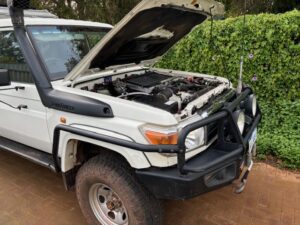


A quality HHO kit can be undermined by a poor installation. Utes have limited under-bonnet space, high heat around turbochargers and exhaust components, vibration from corrugated roads, and plenty of accessories competing for battery capacity. Every one of these factors has to be considered.
The generator should be mounted upright on a solid surface, away from direct exhaust heat and moving components. Hoses need clean routing with no sharp bends, crushing points or contact with hot surfaces. Wiring should be fused, protected with conduit where required and connected so the generator operates under the conditions specified for the kit.
For late-model utes, take extra care around engine management systems and emissions equipment. Do not interfere with factory wiring, sensors or safety systems. A clean installation preserves serviceability and makes it easier to inspect the system later.
If you are not confident with automotive electrical work, use a qualified installer. This is especially worthwhile for fleet vehicles and hard-working 4WDs where downtime costs more than the installation labour. Keep records of the installation, component specifications and maintenance schedule. They are useful for troubleshooting, warranty discussions and fleet management.
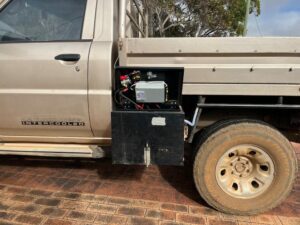

Testimonials and test reports are valuable, but the only figure that pays your bills is the result from your own vehicle. Establish a baseline before fitting an HHO kit. Record fuel used, kilometres travelled, average load, towing conditions and the type of driving being done. Continue recording the same information after installation over a meaningful distance.
Avoid judging performance from one tank of fuel. Wind, traffic, payload, tyre pressure, regeneration cycles on modern diesels and driving style can all move fuel figures. A better approach is to compare several similar work cycles. Fleet operators can make this even stronger by tracking comparable vehicles on similar routes.
Also pay attention to operating behaviour. Smoother acceleration, reduced visible smoke on older diesels and improved response under load can be useful signs, but they should sit alongside fuel records rather than replace them. An HHO system is an efficiency enhancement, not a substitute for fixing injectors, air leaks, blocked filters, worn turbo hoses or overdue servicing.



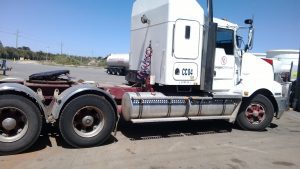
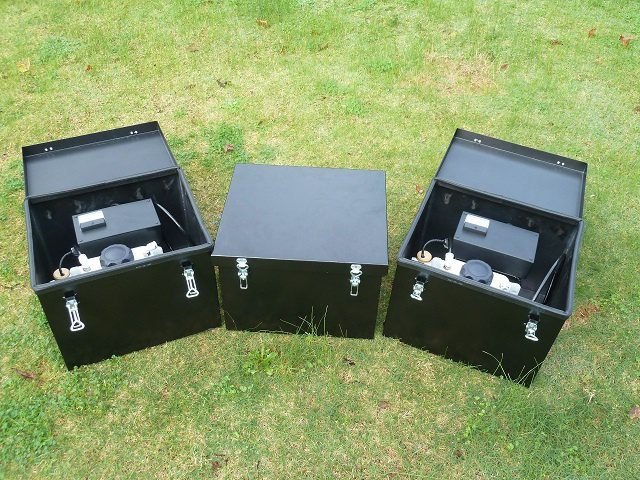
Materials required to fit the Hydrogen fuel systems
Ask the supplier to recommend a size based on your engine capacity, fuel type, typical kilometres, payload and towing work. Confirm what is included in the kit, which components require periodic servicing and whether the package is intended for your particular application.
You should also check how the installation may affect manufacturer warranty, insurance and applicable Australian vehicle requirements. Requirements can vary by vehicle, state and modification type. A professional installer and documented system make this conversation far easier than an undocumented DIY fitment.
Price matters, but a cheap kit with weak wiring, unclear instructions and no parts support is rarely cheap for long. Choose a system built for the kilometres your ute does, with the technical backup to keep it operating properly.
The best HHO kit for your ute is the one that fits the engine, survives the workday and gives you a clear way to measure its value. Get the sizing right first, install it properly, then let your fuel records do the talking.
by Gavan Knox MSc, BSc, BEd.
WhatsApp call +61 403177183
contact gavan@hfuel.com.au
https://hydrogenfuelsystems.com.au

Brilliant Invention Gen 20 Hydrogen Generator ---(update Feb 7... Full Story

by Gavan Knox HFS whats app +61 403177183 gavan@hfuel.com.au... Full Story
How 24V-to-13.8V Buck Configuration Regulators Affect HHO generation in... Full Story
A diesel that is smoking, using more fuel or... Full Story

How Do DC-DC Boost Regulators Affect Hydrogen Gas Production?... Full Story
Payment Methods Partner:

© 2023 - Hydrogenfuelsystems pty ltd