Brilliant Invention Gen 20 Hydrogen Generator July 2 2026
Brilliant Invention Gen 20 Hydrogen Generator ---(update Feb 7... Full Story
Perth, West Australia





by Gavan Knox MSc, BSc, BEd, Inventor
WhatsApp call +61 403177183
contact gavan@hfuel.com.au
https://hydrogenfuelsystems.com.au
A hydrogen generator kit only delivers value when it is installed to work hard without creating unnecessary risk. The best HHO safety accessories protect the vehicle, the operator and the system itself from heat, electrical faults, electrolyte exposure and flashback. They are not optional add-ons for a serious installation. They are the hardware that keeps your fuel-saving and performance setup dependable over thousands of kilometres.
For a diesel work ute, long-haul truck, 4WD, boat or generator, safety starts with selecting accessories that suit the system output, engine bay layout and operating conditions. A small passenger vehicle does not need the same cable sizing or mounting strategy as a Gen 25 system supporting high-load machinery. Get the basics right before gas enters the intake.

A flashback arrestor is one of the first components to specify in any HHO installation. HHO gas is highly combustible because hydrogen and oxygen are produced together. If combustion travels backwards through the gas line, a correctly rated flashback arrestor is designed to stop that flame front before it reaches the generator.
Do not treat a basic check valve as a substitute. A check valve controls gas direction. A flashback arrestor is built to interrupt flame propagation. Both can have a place in an installation, but they perform different jobs. Use purpose-built components rated for hydrogen or oxyhydrogen service, fit them in the correct gas-flow direction and inspect them during routine servicing.
Placement matters as much as the part itself. The arrestor needs to be positioned according to the system design, with hose runs kept tidy and protected from heat, vibration and sharp edges. A quality unit is cheap insurance compared with damage to a cell, intake system or engine bay.
A properly designed bubbler provides another protective barrier between the HHO cell and the engine intake. Gas passes through water, which can help disrupt a flashback and trap moisture or electrolyte carryover before it reaches the motor.
The trade-off is maintenance. A bubbler must be mounted upright, checked for correct water level and secured where it will not be exposed to excessive exhaust heat or impact. An overfilled bubbler can restrict gas flow or send water where it does not belong. An empty or cracked unit is not doing its job. Use fittings and containers compatible with the operating environment rather than improvised workshop bottles.
For hard-working fleets and off-road vehicles, a visible water level and a solid mounting bracket make inspections quicker. If an operator cannot see a problem, it is easier for a small fault to become an expensive one.
The electrical supply is where many poor HHO installs come unstuck. The generator draws current, often for extended periods, so the wiring must be designed for the real load rather than guessed at. A correctly rated fuse installed close to the battery protects the supply cable if there is a short circuit. Without it, damaged insulation or a pinched cable can become a serious electrical fault.
A quality relay allows the system to switch on with the ignition or a suitable engine-running signal, rather than remaining live when the vehicle is parked. It also keeps high current away from low-current switching circuits. The relay, fuse holder, terminals and cable all need to match the expected amperage.
Do not oversize a fuse simply because it keeps blowing. A blown fuse is a warning, not an inconvenience to bypass. Check current draw, poor earth connections, damaged cable, loose terminals and cell condition before replacing anything. The correct fix protects your investment. The wrong fix can burn wiring under the bonnet.
Thin cable creates resistance, heat and voltage drop. That means poorer generator performance and a higher chance of failure under load. Use automotive-grade cable with sufficient cross-section for the run length and amperage, then terminate it with crimped, insulated terminals that cannot loosen under vibration.
Protect every cable where it passes through metal with grommets. Use split conduit or abrasion-resistant sleeving in exposed areas, and keep wiring clear of exhaust manifolds, turbochargers, belts, steering components and moving linkages. Secure the loom at regular intervals. A cable hanging loose in a hot engine bay is not a professional installation.
An isolation switch can also be a smart addition where the application calls for it. It gives the owner or technician a clear way to shut down the HHO circuit during service, fault-finding or extended storage. The switch must be rated for the current involved and mounted somewhere accessible but protected from accidental operation.
Many wet-cell HHO systems use an electrolyte solution. Depending on the system chemistry, that can be caustic and requires proper handling. A sealed, chemical-resistant reservoir with a secure cap, suitable hose and reliable fittings reduces the risk of leaks, spills and contamination in the engine bay.
The reservoir should be mounted away from direct heat and areas likely to take a hit from loose cargo, road debris or engine movement. It must remain upright through braking, corrugations and off-road angles. Check hose clamps, fittings and fluid lines for seepage at service intervals.
For anyone filling or maintaining the system, chemical-resistant gloves and safety glasses are practical accessories, not workshop theatre. Keep clean water available for rinsing splashes, follow the electrolyte handling instructions and never top up a hot system in a rush. The few minutes saved are not worth damaged paint, wiring or skin.
The cheapest version of a safety component is rarely the best value. Poorly made fittings can leak. Light-duty relays can overheat. Unrated hose can harden, split or collapse. A flashback device with no clear specification gives you no confidence when it is needed most.
Buy parts that are suited to the application and supplied with clear technical information. For commercial operators, standardising on proven accessories across a fleet also simplifies servicing and fault diagnosis. Your fitter knows the wire route, the fuse rating, the hose type and the inspection points on every vehicle.
Hydrogen Fuel Systems installation documentation and system specifications should be treated as the baseline for matching accessories to the selected generator size. A Gen 10 installation on a daily driver has different demands from a larger system fitted to a truck, marine engine or stationary generator. Bigger output changes the electrical load, packaging requirements and need for disciplined installation work.
The engine bay often decides what is possible. A neat-looking installation can still be wrong if the cell sits beside extreme heat, the gas line rubs through on a bracket or the reservoir cannot be checked without removing half the vehicle.
Before final mounting, confirm that the bonnet closes without contact, service points remain accessible and all lines have enough slack for normal engine movement without sagging. Keep gas plumbing as short and direct as practical, but never route it through a high-heat area merely to save a few centimetres. Use secure brackets, not cable ties alone, for heavier components.
For 4WDs, farm equipment and vehicles operating on corrugated roads, vibration resistance deserves extra attention. Recheck fasteners after the first period of operation. For marine applications, use materials appropriate for moisture and corrosion exposure. For generators, protect components from vibration, dust and unauthorised access.
Before putting the system into regular service, verify that the fuse is correctly rated and close to the battery, the relay switches the system off with the engine, and every electrical connection is tight. Confirm the reservoir is secure, the electrolyte level is correct and there are no leaks around fittings or hoses.
Then inspect the gas path from cell to intake. The flashback arrestor must face the right direction, the bubbler must be upright and filled to its marked level, and hoses must be free of kinks, cracks and heat exposure. If anything looks improvised, loose or worn, fix it before driving.
A competent installer should also ensure the modification is appropriate for the vehicle and complies with applicable Australian roadworthiness, engineering, insurance and workplace requirements. Safety hardware supports a quality install. It does not compensate for incorrect system sizing, poor electrical work or ignoring manufacturer instructions.
The right accessories let an HHO system do what it is meant to do: operate consistently while you focus on lower operating costs, engine response and getting the job done. Build it properly from day one, inspect it like the working equipment it is, and every kilometre becomes easier to trust.
by Gavan Knox MSc, BSc, BEd, Inventor
WhatsApp call +61 403177183
contact gavan@hfuel.com.au
https://hydrogenfuelsystems.com.au
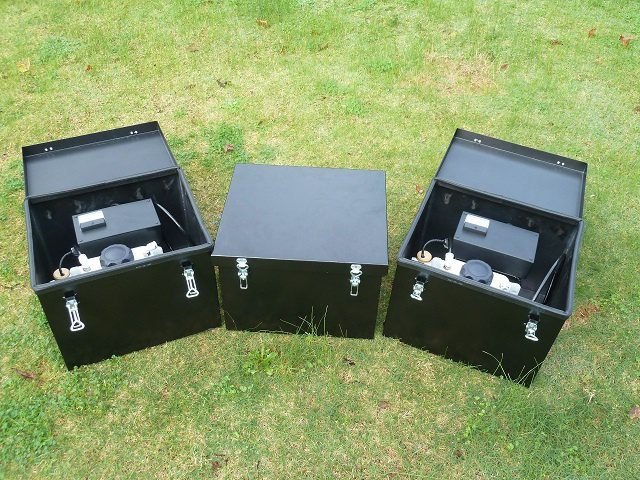
Brilliant Invention Gen 20 Hydrogen Generator ---(update Feb 7... Full Story

by Gavan Knox HFS whats app +61 403177183 gavan@hfuel.com.au... Full Story
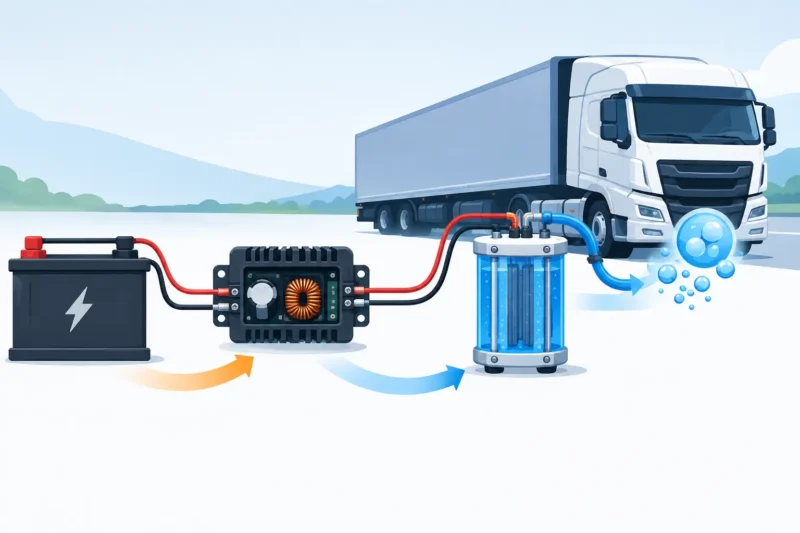
How 24V-to-13.8V Buck Configuration Regulators Affect HHO generation in... Full Story
A diesel that is smoking, using more fuel or... Full Story

How Do DC-DC Boost Regulators Affect Hydrogen Gas Production?... Full Story
Payment Methods Partner:

© 2023 - Hydrogenfuelsystems pty ltd