Brilliant Invention Gen 20 Hydrogen Generator July 2 2026
Brilliant Invention Gen 20 Hydrogen Generator ---(update Feb 7... Full Story
Perth, West Australia




By Gavan Knox WhatsApp +61 403177183
email anytime gavan@hfuel.com.au
MD. https://hydrogenfuelsystems.com.au
Best Hydrogen Kits for Generators by Size. A generator that runs for hours every day does not hide its fuel bill. Whether it is supplying a workshop, site shed, farm pump, mobile operation or backup power system, every litre of diesel or petrol has a direct effect on the job’s margin. The best hydrogen kits for generators are not simply the biggest units available. They are correctly sized, properly wired systems that suit the engine’s capacity, duty cycle and available electrical supply.
An on-board hydrogen generator, often called an HHO kit, uses the generator’s electrical system to produce hydrogen and oxygen gas. That gas is introduced into the engine’s intake to support a more complete combustion event. The practical aim is straightforward: reduce wasted fuel, improve combustion quality and help the engine work cleaner under load.
For a generator owner, the purchase decision comes down to one question: will the kit match the engine and earn its place through lower operating cost and dependable service? Size it badly and you can create unnecessary electrical load, poor gas delivery or a system that does not perform to its potential. Size it correctly and you have a serious fuel-saving and engine-efficiency upgrade.
The right kit is built around the generator engine, not the generator’s sticker price or the size of the alternator alone. A small standby unit that runs briefly during outages needs a different approach from a diesel generator carrying a steady load for eight, 12 or 24 hours at a time.
Start with engine displacement. More engine capacity generally needs more HHO production to make the installation worthwhile. Then look at fuel type, normal operating load, intake layout and voltage. Many generator sets operate on 12-volt starting systems, while larger commercial equipment may use 24 volts. The system must be configured for the correct voltage, with wiring and power supply components that can safely handle the demand.
The quality of the complete kit matters just as much as cell output. A workable generator package needs a durable hydrogen cell, correct wiring, circuit protection, a water reservoir, fittings, hose, a bubbler or safety device where specified, filtration and clear installation instructions. Cutting corners on components is false economy. This equipment lives around heat, vibration, dust and long running hours.
A good supplier should also be able to provide technical documentation, application guidance and meaningful product specifications. Big promises without cell data, power requirements, installation information or evidence of testing are not a buying strategy.
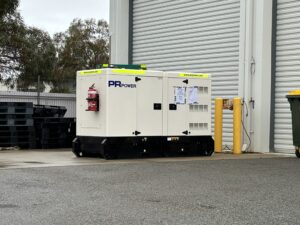
Hydrogen Fuel Systems offers Gen 10, Gen 15, Gen 20 and Gen 25 systems. These sizes give owners a practical way to match hydrogen output to the engine rather than forcing one generic kit onto every machine. The final selection should always be confirmed against the engine details and intended application, but the sizing logic is clear.
A Gen 10 is the natural starting point for smaller petrol and diesel generator engines. It suits applications where available electrical capacity is limited and where the engine does not need the gas volume required by a large industrial power plant.
This is not a licence to fit a small kit to any generator below a certain kVA rating. Two generators with similar electrical output can have very different engines and operating patterns. Check engine capacity first, then verify the kit’s current draw and installation layout. On a compact unit, neat hose routing, secure mounting and protected wiring are non-negotiable.
The Gen 15 is aimed at engines that work harder and run longer than occasional-use portable units. This is the type of system worth considering for many trade, agricultural, mobile-service and medium-duty generator applications where fuel use is a genuine operating expense.
The benefit of moving to a correctly matched mid-range cell is not about chasing maximum gas production for its own sake. It is about supplying enough HHO to complement the engine’s air and fuel charge without creating an oversized electrical demand. A generator that runs near its normal load band is generally a more useful candidate than one that only idles or operates for short, irregular bursts.
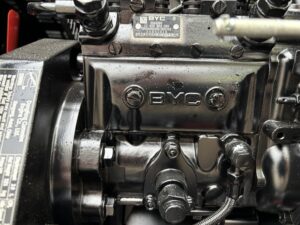
A Gen 20 system is for larger engines where a smaller cell may not provide enough output to influence combustion in a meaningful way. These applications demand more careful planning because larger generator sets can involve 24-volt electrical systems, more complex intake arrangements and stricter site safety procedures.
For commercial users, the installation should be treated as equipment work, not a weekend experiment. Confirm mounting points, isolate wiring correctly, protect every cable from chafe and heat, and ensure the gas line is secure from the cell through to the intake connection. A system that is mechanically tidy is easier to inspect and far less likely to cause downtime.
The Gen 25 is designed for high-capacity engines and demanding applications where generator runtime and fuel consumption justify a larger system. This is where fleet operators, plant owners and high-hour businesses should look beyond purchase price and calculate the potential return from fuel used each month.
A large HHO kit is not automatically the best choice for a large generator. It must still suit the engine’s displacement and electrical system. If the generator spends most of its life lightly loaded, the operating profile may not support the same outcome as an equivalent engine under sustained load. Get the engine data, record the duty cycle and choose on facts.
Before ordering, gather the details that determine whether the installation will deliver practical value:
These details stop guesswork. They also make it possible to compare fuel use before and after installation under similar loads. For a business running multiple generators, a simple fuel spreadsheet is more valuable than opinions at the depot. Record litres consumed, hours run, load where available and maintenance events. The figures will show whether the upgrade is paying its way.
A hydrogen kit cannot compensate for a generator with blocked filters, weak charging voltage, injector faults, intake leaks or poor servicing. Bring the engine back to a sound baseline first. Replace overdue filters, inspect battery terminals, check belts and charging performance, and deal with obvious fuel or air-system faults before fitting anything.
Then install the kit exactly as specified. The cell needs a secure position away from excessive heat and direct spray. Hoses must be supported and routed away from moving parts. Electrical connections need appropriate fusing, solid earth points and protection from vibration. Use the supplied technical documents rather than improvising with whatever fittings are on hand.
After installation, inspect the system regularly. Check electrolyte level according to the system instructions, look for loose terminals, examine hoses and fittings, and keep the generator’s own maintenance schedule current. Generator rooms and site enclosures can be hot, dusty places. A few minutes of inspection can prevent a small issue becoming a shutdown.
Hydrogen enhancement should be assessed as an operational improvement, not magic. Fuel-saving results vary with engine condition, load stability, fuel quality, maintenance, generator size and how many hours it runs. A well-maintained diesel operating consistently under useful load gives you a far better basis for measurement than a neglected unit with random usage.
Ask for product documentation, installation material and available test information before you buy. Where an emissions-controlled engine, hire fleet, warranty arrangement, insurer or workplace policy is involved, confirm the modification is acceptable before installation. Australian compliance requirements can differ by equipment type and state, particularly where equipment is used commercially or on regulated sites.
The strongest case for an HHO generator kit is not a vague claim that it might help. It is a measured operating case: known fuel spend, known hours, a correctly sized system and disciplined before-and-after records. That is how owners separate a worthwhile engine upgrade from another piece of gear gathering dust on the shelf.
Choose the kit that fits the engine you have, install it properly and track every litre. When a generator is working hard enough to make fuel a major cost, the right hydrogen system deserves to be treated as a business decision, not a gimmick.
By Gavan Knox WhatsApp +61 403177183
email anytime gavan@hfuel.com.au
MD. https://hydrogenfuelsystems.com.au
Saturday, July 18, 2026
Brilliant Invention Gen 20 Hydrogen Generator ---(update Feb 7... Full Story

by Gavan Knox HFS whats app +61 403177183 gavan@hfuel.com.au... Full Story
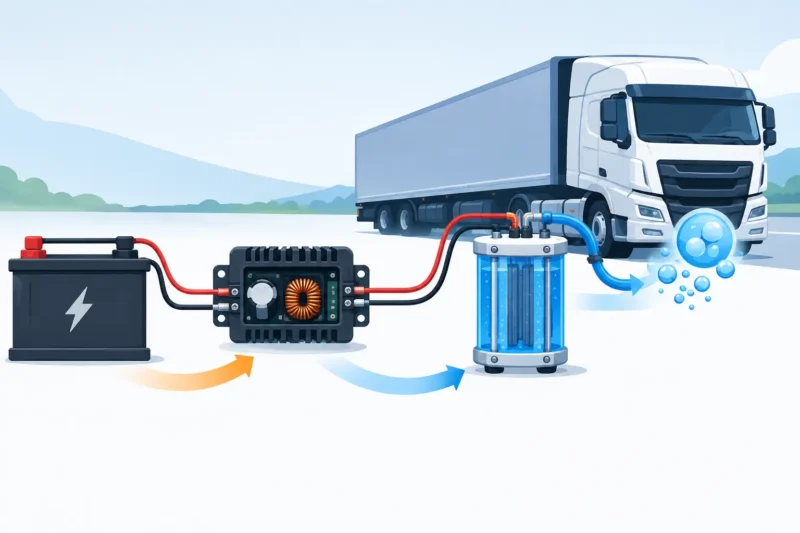
How 24V-to-13.8V Buck Configuration Regulators Affect HHO generation in... Full Story
A diesel that is smoking, using more fuel or... Full Story
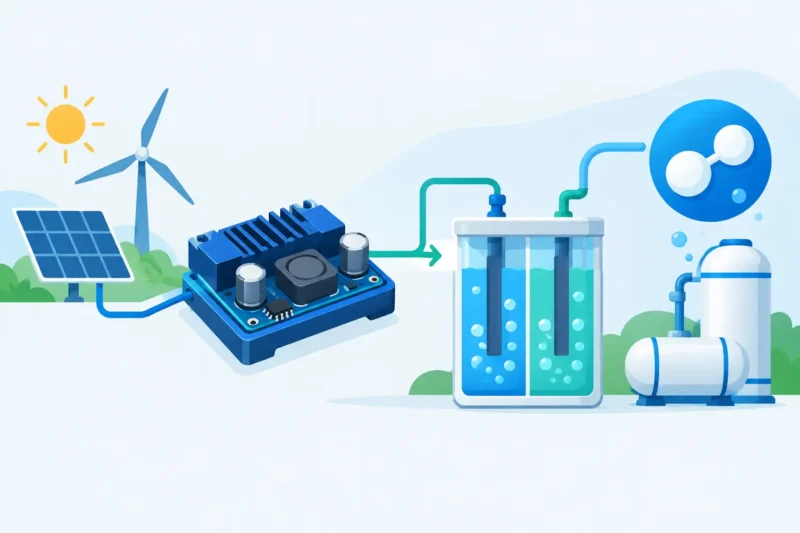
How Do DC-DC Boost Regulators Affect Hydrogen Gas Production?... Full Story
Payment Methods Partner:

© 2023 - Hydrogenfuelsystems pty ltd