Brilliant Invention Gen 20 Hydrogen Generator July 2 2026
Brilliant Invention Gen 20 Hydrogen Generator ---(update Feb 7... Full Story
Perth, West Australia




by Gavan Knox MSc, BSc, BEd, Inventor
WhatsApp call +61 403177183
contact gavan@hfuel.com.au
https://hydrogenfuelsystems.com.au
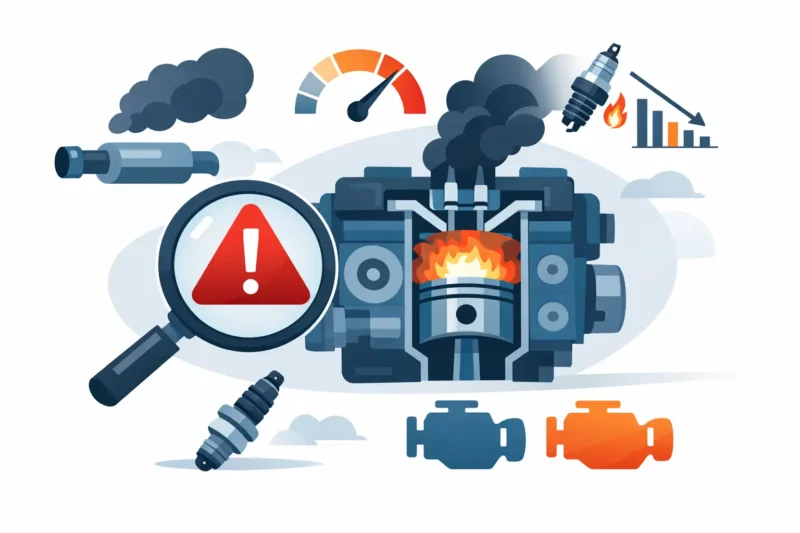
Combustion Efficiency Warning Signs in Your Engine – Sept 6A. Diesel that suddenly needs more fuel to do the same run is not simply getting older. A work ute that feels flat under load, a generator that hunts at steady RPM, or a boat that leaves black smoke on acceleration is wasting usable energy. These combustion efficiency warning signs tell you the engine is not burning its air-fuel charge as cleanly or completely as it should.
For owner-drivers, fleet operators and machinery owners, this is a cost issue before it becomes a breakdown issue. Poor combustion can push up litres per 100 km, reduce pulling power, load up exhaust components and accelerate contamination in the oil. Catch the pattern early and you can target the real cause rather than throwing parts at the vehicle.
The first sign is often fuel use. If the route, payload, driver and weather are broadly the same but fuel consumption keeps creeping up, the engine needs more fuel to make the same output. Track consumption over several fills or operating hours. One isolated bad tank proves little. A consistent change is a mechanical clue worth investigating.
Loss of torque is just as revealing. A healthy engine should pull predictably through its normal working range. When a ute needs more throttle on familiar grades, a 4WD feels lazy when towing, or a generator bogs down under a load it once carried easily, combustion quality may be part of the problem. Restricted air flow, poor fuel atomisation, incorrect boost control and sensor faults can all reduce the amount of useful work produced from each fuel event.
Exhaust smoke gives you a visible warning, particularly on diesel equipment. Brief smoke under a hard acceleration can be normal on some older engines. Continuous black smoke, however, generally means too much fuel, too little air, or a poor burn. Blue smoke points more towards oil entering the combustion process, while persistent white or grey smoke can indicate unburnt fuel, coolant ingress or cold combustion. The colour is a starting point, not a diagnosis.
Rough idle, slow starting and uneven running deserve attention as well. Petrol engines may misfire under load or hesitate on take-off. Diesels can idle harshly, rattle more than usual or take longer to fire in cold conditions. These symptoms may come from injectors, glow plugs, ignition components, compression loss, air leaks or contaminated fuel. Left alone, they increase fuel use and can create bigger downstream repairs.
The fourth warning is heat. Watch coolant temperature, exhaust gas temperature where fitted, fan activity and the smell around the engine bay. Higher-than-normal operating temperatures can indicate that the engine is working harder than it should, while an exhaust system that runs excessively hot can damage expensive components. Do not assume the thermostat is the only culprit. Poor combustion and air-fuel imbalance can be contributing factors.
Finally, pay attention to maintenance evidence. More soot in the intake, frequent filter restrictions, oil that blacks up unusually quickly, repeated regeneration issues and fault codes all build a clearer picture. No single symptom tells the full story. Several changes appearing together are the signal to act.
Combustion relies on the right fuel quantity, clean air, correct timing, adequate compression and a sound exhaust path. Take one of those away and the engine will still run, but it will run inefficiently.
On a high-kilometre diesel, injector wear is a common example. An injector that no longer produces a clean spray pattern can leave larger droplets of fuel in the chamber. Those droplets do not mix with air as effectively, so more fuel exits as soot and less becomes useful cylinder pressure. A petrol engine with tired plugs or coils can have a similar result through incomplete ignition.
Air-side faults are equally common. A blocked air filter, split intercooler hose, sticking EGR valve, boost leak or variable-geometry turbo issue reduces oxygen or disrupts airflow. The driver responds by pressing the accelerator harder, but more throttle cannot fix an engine that is short of clean air. It only increases the fuel bill.
Fuel quality matters, particularly for equipment that sits between jobs, boats exposed to long storage periods, and generators with rarely used tanks. Water contamination, microbial growth in diesel, sediment and aged petrol can all compromise the burn. Filters protect the system, but they cannot restore fuel that has deteriorated.
Then there are operating conditions. Short trips prevent an engine from reaching stable temperature. Long idling can increase soot loading. Constant low-load running may create different issues to regular heavy towing. A fix that suits a highway prime mover will not automatically suit a stop-start delivery van or a marine engine. The duty cycle matters.
Start with facts. Compare current fuel consumption with your own past records, not an optimistic figure from a brochure or another driver’s vehicle. Note kilometres, litres, hours, payload, idle time and any change in work pattern. For generators, record fuel used per hour at a consistent electrical load.
Next, inspect the service basics: air filter condition, fuel filter age, oil level and specification, visible intake hoses, clamps, intercooler piping, battery voltage and obvious fuel leaks. On petrol vehicles, check the condition and service interval of spark plugs. On diesels, look for loose boost hoses, excess soot around joints and signs of water in the fuel separator.
A scan tool should follow. Fault codes, live boost readings, coolant temperature, intake temperature, air-flow values and fuel-trim data can quickly narrow the field. A code is not a licence to replace a component blindly. It tells the technician where the control system has seen something outside its expected range.
If the basics check out but the warning signs remain, book proper testing. Injector balance or return-flow tests, compression tests, smoke testing for intake leaks and exhaust back-pressure checks can save significant money compared with guesswork. This is especially important for fleet vehicles, where a small per-vehicle loss becomes a major operating cost across the year.
The winning approach is to restore the engine’s baseline first. Service filters on schedule, use clean fuel from reliable sources, repair air leaks, resolve fault codes and keep cooling and lubrication systems in order. These are not glamorous jobs, but they protect power, fuel economy and engine life.
Once the engine is mechanically sound, combustion-enhancement technology can be assessed on its fit for the application. On-board hydrogen systems are designed to introduce hydrogen gas into the intake charge to support a faster, more complete burn. The potential benefit is most relevant where engines work hard, consume substantial fuel and operate for enough hours for efficiency gains to matter.
That does not mean every vehicle will return the same result. Engine condition, load, driving style, system sizing and installation quality all affect outcomes. An HHO system will not repair worn injectors, a failed turbo or low compression. Treat it as an efficiency upgrade after the fault-finding work, not as a shortcut around it.
Hydrogen Fuel Systems provides application-specific kit sizes for cars, heavy vehicles, 4WDs, marine engines and generators, so the system should be matched to engine capacity and intended use rather than selected on price alone. A correct installation, protected electrical supply and routine checks are essential for reliable operation.
The operators who get ahead of fuel waste do not wait for a warning light or a roadside failure. They monitor fuel use, listen to how the engine pulls, inspect the exhaust and act when a familiar machine starts behaving differently. Keep a simple record before and after any repair or upgrade. It gives you proof of what changed, what worked and where the next dollar should be spent.
Your engine cannot tell you it is burning fuel badly, but it will show you through consumption, smoke, heat and lost performance. Read those signs early, fix the root cause properly and make every litre work harder.
by Gavan Knox MSc, BSc, BEd, Inventor
WhatsApp call +61 403177183
contact gavan@hfuel.com.au
https://hydrogenfuelsystems.com.au
Brilliant Invention Gen 20 Hydrogen Generator ---(update Feb 7... Full Story

by Gavan Knox HFS whats app +61 403177183 gavan@hfuel.com.au... Full Story
A diesel that is smoking, using more fuel or... Full Story

How Do DC-DC Boost Regulators Affect Hydrogen Gas Production?... Full Story
## Can HHO Affect Engine Sensors? What to Check... Full Story
Payment Methods Partner:

© 2023 - Hydrogenfuelsystems pty ltd