Brilliant Invention Gen 20 Hydrogen Generator July 2 2026
Brilliant Invention Gen 20 Hydrogen Generator ---(update Feb 7... Full Story
Perth, West Australia





by Gavan Knox MSc, BSc, BEd.
WhatsApp call +61 403177183
contact gavan@hfuel.com.au
https://hydrogenfuelsystems.com.au
A diesel work ute that idles for hours, hauls tools all week and burns through fuel is exactly where the question matters: do hydrogen car kits really work? The short answer is that a properly matched and correctly installed HHO system can improve combustion efficiency in suitable internal combustion engines. But it is not magic, it is not a fuel-cell conversion, and results depend heavily on the vehicle, duty cycle, installation quality and how you measure the outcome.
For drivers and operators paying serious money at the bowser, the only result worth chasing is a measurable reduction in operating cost without compromising engine reliability. That means looking past wild online claims and understanding what an on-board hydrogen generator actually does.

A hydrogen car kit, commonly called an HHO kit or hydrogen generator, produces a small volume of hydrogen and oxygen gas on board using electrolysis. The system draws electrical power, splits water in an electrolyte solution, then introduces the resulting gas into the engine’s intake air.
It does not replace petrol or diesel. Your engine still runs on its normal fuel supply. The HHO gas is used as a combustion enhancer, helping the fuel charge ignite and burn more completely. Hydrogen has a very fast flame speed and a wide flammability range, which is why even a controlled amount can influence the combustion event.
In a diesel engine, the intended effect is a cleaner, more complete burn of the injected fuel. In petrol engines, it can support more stable combustion. When the system is correctly sized and tuned to the application, operators may see fuel-use improvements, sharper throttle response, less smoke and a cleaner-running engine.
That is the mechanical case for HHO. The result is not created by making free energy. The alternator load, gas production rate and combustion benefit all need to be considered as one system.

The strongest answer is not a blanket yes or no. Hydrogen enhancement works best where an engine has meaningful fuel consumption, regular operating hours and a repeatable workload. A high-kilometre diesel ute, delivery vehicle, 4WD, truck, generator or marine engine gives you enough fuel use to test the system properly and potentially recover the cost sooner.
A lightly used small car doing short urban trips is a different proposition. It may not consume enough fuel for a modest percentage improvement to deliver a quick payback. Stop-start driving, frequent cold starts, poor servicing, tyre pressure and driving habits can also hide or distort any change.
The engine itself matters. A well-maintained diesel with a sound intake system, clean filters, healthy injectors and no unresolved fault codes gives an HHO kit a far better platform than an engine already struggling with mechanical or electronic problems. Hydrogen is not a repair for worn injectors, blocked exhaust components, failing sensors or poor compression.
For commercial operators, the calculation is straightforward: track litres used, kilometres travelled or hours run before installation, then compare the same type of work after installation. One tank is not proof. A proper assessment needs enough operating time to smooth out load changes, weather, traffic, payload and driver behaviour.

Fuel does not always burn perfectly. Diesel combustion in particular is affected by injection timing, air supply, engine load, fuel quality and the condition of the combustion chamber. Incomplete combustion can leave unburnt hydrocarbons, particulate matter and carbon deposits behind.
By adding HHO gas to the intake, a hydrogen generator is designed to support faster, more complete combustion. The practical benefits operators look for include lower fuel consumption, improved response under load, reduced visible exhaust smoke and emissions and less soot accumulation. In applications that run hard for long periods, even a modest improvement can add up across a fleet or over a year of generator use.
That is why system sizing matters. A small generator on a large-capacity truck engine may produce too little gas to make a meaningful difference. An oversized or poorly fitted system is not the answer either. The kit must suit engine capacity, electrical system capability and the way the vehicle is used.
Hydrogen Fuel Systems offers different generator capacities, including Gen 10, Gen 15, Gen 20 and Gen 25 units, because a passenger vehicle, a 4WD, a heavy work vehicle and a stationary generator do not have the same airflow, load or fuel burn.
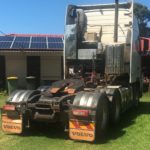
This is the right question to ask. The alternator creates electricity by taking mechanical energy from the engine. Electrolysis is not 100 per cent efficient, so an HHO system cannot create more energy than it consumes.
However, that is not the claim a properly designed hydrogen enhancement system relies on. The argument is combustion efficiency. If a small amount of HHO helps the engine extract more useful work from the fuel already being injected, the fuel-saving effect can outweigh the additional electrical load in a suitable application.
Think of it as improving how effectively the engine uses its existing fuel, not as generating a new primary fuel source. Any seller promising endless energy, huge guaranteed savings on every vehicle or a complete replacement for conventional fuel should be treated with caution.
Real-world results are influenced by engine size, baseline fuel consumption, driving conditions, kit output, installation, maintenance and the vehicle’s electronic controls. The more demanding and consistent the duty cycle, the easier it is to identify whether the system is paying its way.
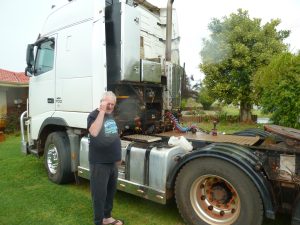
A quality hydrogen generator needs more than a jar of water, wires and a hose pushed into the intake. Safe, dependable installation requires correct mounting, suitable wiring protection, a fused power supply, proper relay control, secure hose routing and effective gas filtration.
The gas line must be positioned to distribute HHO appropriately through the intake without interfering with sensors or creating leaks. Electrical connections need to be weather-resistant and sized for the system’s current draw. The unit should be mounted away from excessive heat, moving components and areas where it can be damaged during normal vehicle use.
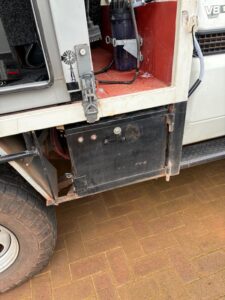
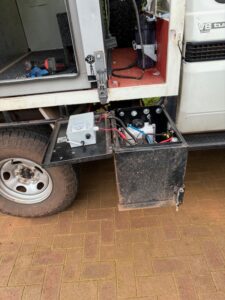

Modern vehicles add another layer. Engine control units use airflow, oxygen, boost and exhaust feedback to manage fuelling. Depending on the engine and kit configuration, professional adjustment or supplementary electronic control may be required to ensure the vehicle responds correctly. This is particularly relevant for late-model common-rail diesels and petrol engines with sophisticated emissions systems.
If you are not confident working with vehicle electrics and intake systems, use an experienced installer. A poor installation can turn a potentially useful modification into a fault-finding exercise.

The most convincing proof comes from your own operating records. Before fitting a kit, establish a baseline over several tanks of fuel or a meaningful number of operating hours. Record fuel purchased, kilometres travelled, engine hours, typical payload, route type and any idling time.
After installation, keep recording the same information under comparable conditions. Do not judge the result solely from the dash fuel display. Use actual litres and actual distance or hours.
For a fleet, compare similar vehicles on similar jobs where possible. For a generator, measure litres per operating hour at a consistent load. For a marine application, compare fuel burn at the same RPM, vessel load and water conditions.
You should also pay attention to the engine’s behaviour. Better response, reduced smoke under acceleration and cleaner oil condition may support what the fuel figures are telling you, but fuel data remains the commercial measure that matters.
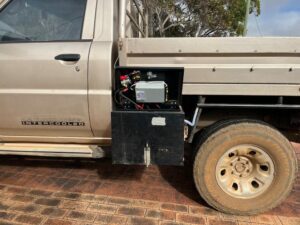
Hydrogen enhancement makes the most sense for operators with fuel-intensive equipment and a reason to track costs. Owner-drivers, tradies with hardworking diesel utes, 4WD owners, transport businesses, generators, marine operators and agricultural or industrial machinery users are all practical candidates.
It is particularly worth investigating when the vehicle or machine is out of warranty, clocking up kilometres or hours, and already maintained to a good standard. The goal is not to bolt on a gadget. It is to build a repeatable fuel-saving improvement into an asset that earns its keep.
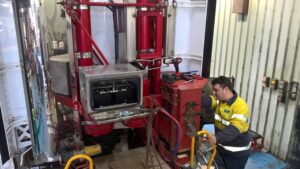
Before choosing a kit, match the generator output to the engine, confirm the installation requirements, and ask for technical documentation and application guidance. Then measure the result like a business decision, not a pub argument.
The best closing test is simple: if your vehicle burns enough fuel to make every percentage point count, a correctly selected HHO system deserves a serious look. Fit it properly, maintain it, record the numbers and let the operating costs make the decision.
by Gavan Knox MSc, BSc, BEd.
WhatsApp call +61 403177183
contact gavan@hfuel.com.au
https://hydrogenfuelsystems.com.au
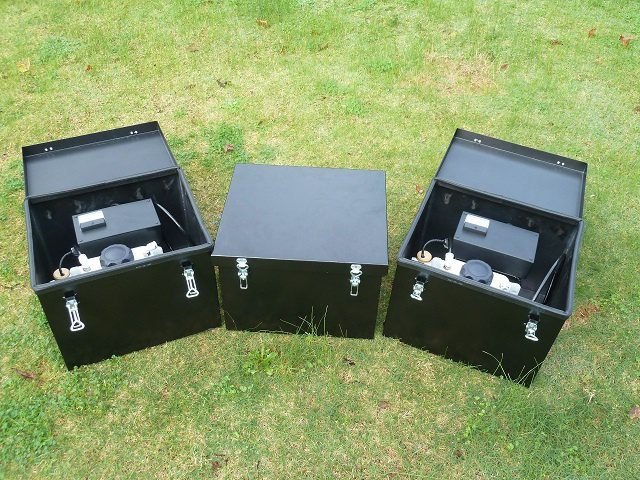
Brilliant Invention Gen 20 Hydrogen Generator ---(update Feb 7... Full Story

by Gavan Knox HFS whats app +61 403177183 gavan@hfuel.com.au... Full Story

Best Vehicles for HHO Upgrades in Australia - Oct... Full Story

Fuel Economy Methodology That Produces Real Numbers - oct... Full Story

Can HHO Improve Towing Economy? Facts That Matter -... Full Story
Payment Methods Partner:

© 2023 - Hydrogenfuelsystems pty ltd