Brilliant Invention Gen 20 Hydrogen Generator July 2 2026
Brilliant Invention Gen 20 Hydrogen Generator ---(update Feb 7... Full Story
Perth, West Australia




by Gavan Knox MSc, BSc, BEd, Inventor
WhatsApp call +61 403177183
contact gavan@hfuel.com.au
https://hydrogenfuelsystems.com.au
A hydrogen generator is only as useful as its ability to produce gas consistently under real operating conditions. For a daily-driven ute, a long-haul truck, a marine engine or a generator running for hours at a time, the dry cell versus wet cell decision affects installation space, heat control, servicing and long-term reliability.
Both designs use electrolysis to generate hydrogen and oxygen gas from water and electrolyte. Both can be fitted as part of a properly designed HHO system. The real question is not which style has the flashier name. It is which cell design gives you stable, serviceable output for the engine, duty cycle and available mounting space you actually have.
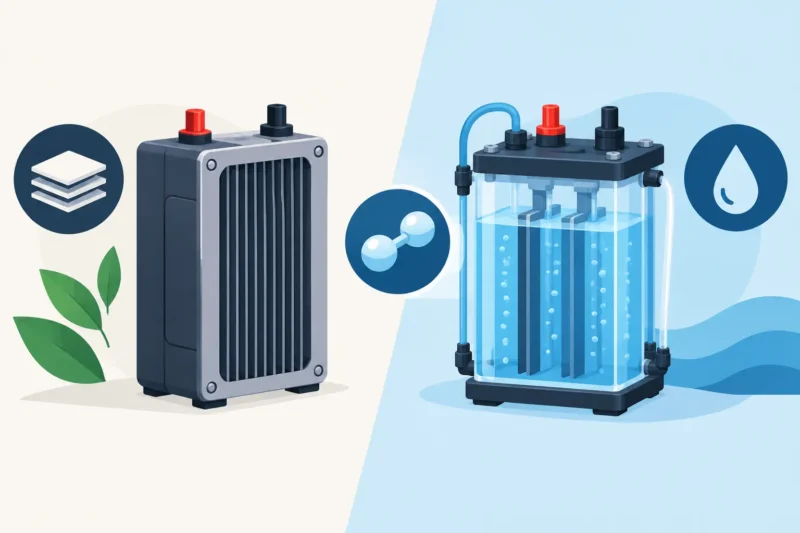
A wet cell is the traditional electrolyser layout. The plates are fully immersed inside a reservoir containing the electrolyte solution. Power is supplied to the plates, gas rises from the solution and is directed out through a fitting at the top of the unit.
A dry cell uses a tightly clamped stack of plates and gaskets. The electrolyte flows through the internal plate channels, while much of each plate sits outside the liquid chamber. Despite the name, a dry cell is not dry inside. It still needs electrolyte to conduct current and create gas. The term simply describes the sealed, plate-stack construction rather than a fully flooded tank.
That construction changes the practical behaviour of the system. A dry cell generally has a more compact gas-generation chamber and separate reservoirs can be positioned to suit the vehicle. A wet cell combines the cell and fluid reservoir in one housing, which keeps the basic layout simple but can make packaging and heat management harder in some applications.
HHO production depends on electrical current, plate surface area, electrolyte concentration, fluid temperature and the way the system is controlled. A cell design does not override these fundamentals. A badly wired dry cell will not outperform a correctly installed wet cell, and a quality wet cell can still deliver dependable service in the right application.
However, long operating hours expose weaknesses quickly. Heat raises electrical demand and can alter electrolyte behaviour. Excess heat can increase water consumption, stress components and reduce the consistency you want from an on-board hydrogen system. This is where a properly configured dry cell system often earns its place, particularly in vehicles and equipment that work hard for extended periods.
The separated reservoir arrangement of many dry cell systems can provide more electrolyte volume and a clearer path for cooling and gas separation. It also gives the installer greater flexibility when locating components away from major heat sources. In a crowded engine bay, that flexibility is not a minor convenience. It can determine whether the installation is tidy, accessible and protected from vibration and exhaust heat.
Wet cells are more self-contained. For a basic installation where space is available and run times are moderate, that simplicity has appeal. Fewer separate components can mean less plumbing and a straightforward visual check of fluid level. But the all-in-one tank design may be bulkier, and the heat created at the plates is managed within the same body that holds the electrolyte.
Buyers often ask which cell produces more gas. The honest mechanical answer is that output must be matched to the engine and managed correctly. Chasing maximum current without control is a fast way to create unnecessary heat, increase maintenance and put extra load on the charging system.
A well-matched HHO setup should be selected around engine size, electrical capacity and operating pattern. A small passenger vehicle, a diesel 4WD towing a van, a delivery truck and a stationary generator do not have identical requirements. The correct generator size, cell configuration, wiring protection and water capacity matter more than simply choosing dry or wet by itself.
Current draw must be measured, not guessed. Cable sizing, fusing, relay control and a suitable power supply are fundamental. So are proper gas conditioning components, including suitable filtration and safety devices. Hydrogen-containing gas is not a place for improvised fittings, poor-quality hose or unprotected electrical connections.
For commercial operators, the focus should be repeatability. If your truck or generator works every day, you need a system that can be inspected easily, topped up safely and kept within its intended operating range. Consistent output is more valuable than a short burst of aggressive production that creates heat and downtime.
Dry cells are widely chosen for automotive and mobile equipment installations because their plate-stack layout supports flexible system design. Their compact shape can make them easier to mount in a protected area, with the reservoir located where fluid checks are more practical.
The main advantages are typically better packaging options, serviceable plate stacks and the ability to build a system around a separate reservoir. For fleet vehicles, marine applications and heavy-duty 4WDs, those points can be commercially significant. Easier inspections reduce the temptation to ignore routine maintenance, while sensible component placement helps protect the system from heat and vibration.
A dry cell also suits a staged approach to system sizing. If an application requires more capacity, a correctly engineered setup can use appropriate cell and reservoir arrangements rather than forcing one oversized unit to do everything. That does not mean bigger is always better. It means the design can be tailored to the electrical and mechanical realities of the engine.
The trade-off is that dry cells demand careful assembly. Plate compression, gasket condition, fluid connections and leak checks must be right. A plate stack is a precision component, not something to clamp together unevenly and forget about. Service intervals still apply, especially where water quality, ambient temperatures or extended run times place more demand on the system.
Wet cells have been around for a reason. Their construction is simple to understand, the electrolyte level is usually obvious, and the initial setup can be less complex. For a hobby installation, short-duration engine use or an operator who values an integrated tank-and-cell layout, a wet cell may be a workable option.
They can also be easier to diagnose visually. If fluid level, contamination or gas activity needs checking, the open reservoir-style layout makes those observations more direct. That said, visibility is not the same as performance. The system still needs proper electrical control, secure mounting and a maintenance routine.
The limitations become clearer when space is tight or the equipment runs hard. A large flooded unit needs a suitable mounting position, and the combined cell and reservoir arrangement can expose the electrolyte to under-bonnet temperatures. For a vehicle covering serious kilometres, a work boat or a generator with extended daily run time, those installation realities deserve attention before purchase.
The dry cell versus wet cell debate often gets reduced to a simplistic winner-and-loser claim. That is not how a serious installation should be specified. Start with the engine type, displacement, electrical system, available mounting locations, expected daily operating hours and the level of maintenance the operator will actually perform.
A dry cell is often the stronger choice where compact installation, separated fluid storage and sustained operation are priorities. It suits owners who want a cleaner, more configurable arrangement and are prepared to service a plate-stack system properly. A wet cell can suit simpler, lower-demand installations where an all-in-one layout is practical and easily accessible.
Before fitting any HHO equipment, inspect the charging system and battery condition. Confirm there is safe room away from direct exhaust heat, moving belts and sharp edges. Use correctly rated wiring and protection, secure all lines against chafing, and follow the manufacturer’s instructions for electrolyte preparation and service. Do not treat a hydrogen generator as a bolt-on gimmick. Treat it as an electrical and fluid system that needs professional-grade installation discipline.
Hydrogen Fuel Systems focuses on application-matched HHO equipment because the best result comes from fitting the right capacity and supporting components to the job. Whether you run a diesel workhorse, petrol vehicle, marine engine or generator, insist on clear technical documentation and make decisions from operating conditions rather than hype.
The practical move is simple: choose the cell design that you can install safely, maintain consistently and run within its designed limits. That is how an HHO system earns its place on a working engine.
by Gavan Knox MSc, BSc, BEd, Inventor
WhatsApp call +61 403177183
contact gavan@hfuel.com.au
https://hydrogenfuelsystems.com.au
Brilliant Invention Gen 20 Hydrogen Generator ---(update Feb 7... Full Story

by Gavan Knox HFS whats app +61 403177183 gavan@hfuel.com.au... Full Story
A diesel that is smoking, using more fuel or... Full Story

How Do DC-DC Boost Regulators Affect Hydrogen Gas Production?... Full Story
## Can HHO Affect Engine Sensors? What to Check... Full Story
Payment Methods Partner:

© 2023 - Hydrogenfuelsystems pty ltd