Brilliant Invention Gen 20 Hydrogen Generator July 2 2026
Brilliant Invention Gen 20 Hydrogen Generator ---(update Feb 7... Full Story
Perth, West Australia




by Gavan Knox MSc, BSc, BEd, Inventor
WhatsApp call +61 403177183
contact gavan@hfuel.com.au
https://hydrogenfuelsystems.com.au
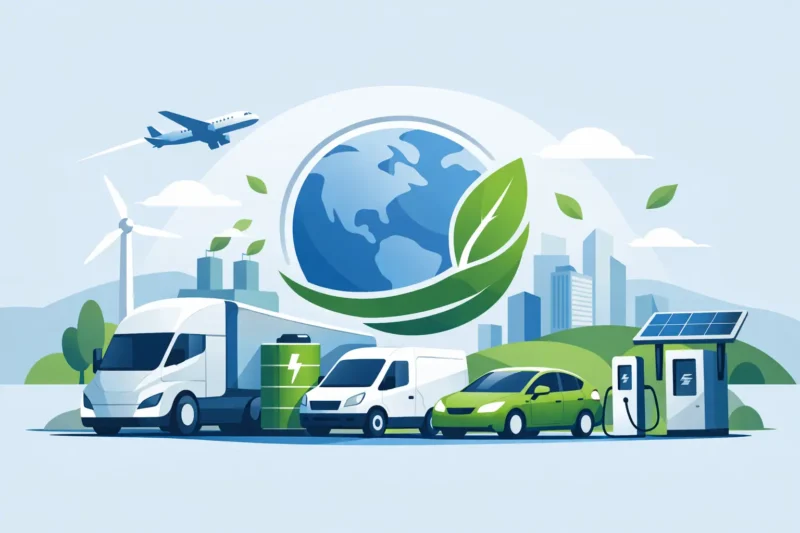
Fleet Decarbonisation Technologies That Cut Costs- Aug 26. A fleet does not decarbonise because a boardroom sets a target. It decarbonises when each vehicle, route and fuel invoice starts producing a measurable improvement. The right fleet decarbonisation technologies can reduce emissions and operating costs at the same time, but only when they suit the work being done. A city courier van, a 100-tonne road train, a fishing vessel and a standby generator do not have the same duty cycle, refuelling window or replacement timetable.
For Australian operators, the practical question is not which technology sounds best. It is which option delivers the strongest verified reduction in litres, maintenance exposure and tailpipe emissions without taking productive assets off the road.
The fastest opportunity is usually hiding in plain sight: the vehicles and machinery burning the most fuel per year. Pull fuel-card data, telematics, service records and idling reports for the past 12 months. Rank assets by total litres consumed, cost per kilometre or hour, idle time, payload and maintenance spend.
A high-kilometre diesel prime mover may justify a different investment from a lightly used ute. Likewise, a generator running long, steady hours may be an excellent candidate for fuel-efficiency upgrades, while a suburban delivery van may be ready for battery electric replacement.
Do not treat fleet age as the only decision point. A late-model vehicle with poor route utilisation can waste more fuel than an older, well-maintained unit. The goal is to identify the biggest avoidable consumption first, then apply technology where it has a clear payback case.
Battery electric vehicles are a strong fit for fleets with fixed daily distances, depot parking and enough time to charge. They are particularly practical for metro delivery vans, service vehicles, passenger transport and some council operations. Electric drivetrains remove tailpipe emissions and can cut servicing requirements because there is no engine oil, exhaust system or conventional transmission to maintain.
The trade-off is infrastructure. Charging capacity at the depot, grid connection upgrades, charger management and vehicle downtime must be planned before vehicles arrive. Public charging may help, but a commercial fleet cannot build its whole operating model around a charger that is occupied, out of service or too slow for the next run.
Electric is not automatically the lowest-cost answer for every fleet. Long-haul loads, remote work, heavy towing and irregular routes can make battery size, range and charging access a harder proposition. Model the actual route, payload, ambient temperature and auxiliary loads rather than relying on brochure range.
Drop-in renewable diesel can offer an immediate emissions reduction pathway for compatible diesel fleets without replacing vehicles. It can be attractive where fleet assets have years of useful life remaining and operators need a lower-carbon fuel now, not after a major capital cycle.
Supply, price and verified feedstock credentials are the critical issues. Biodiesel blends may also require attention to storage stability, filter condition, cold-weather performance and manufacturer limits. The fuel may be easy to adopt, but it is still worth running controlled trials across representative vehicles before a whole-fleet switch.
For many operators, renewable liquid fuels are a bridge rather than the final destination. They can reduce lifecycle emissions while the fleet prepares for more substantial changes to vehicles, charging and refuelling infrastructure.
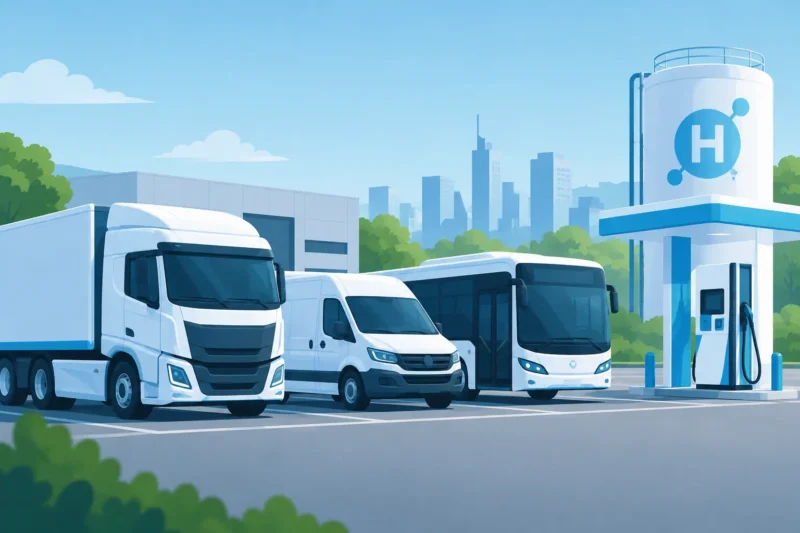
Hydrogen can be relevant where fast refuelling, long operating hours and heavy payloads make batteries difficult to deploy. Potential applications include heavy transport, remote operations, marine use and specialised plant. However, the economics depend heavily on reliable hydrogen availability, fuel price, vehicle availability and the scale of the operation.
A hydrogen vehicle without dependable refuelling is not a decarbonisation plan. It is an expensive scheduling problem. Operators should assess fuel supply contracts, station access, safety procedures, staff training and utilisation before committing capital.
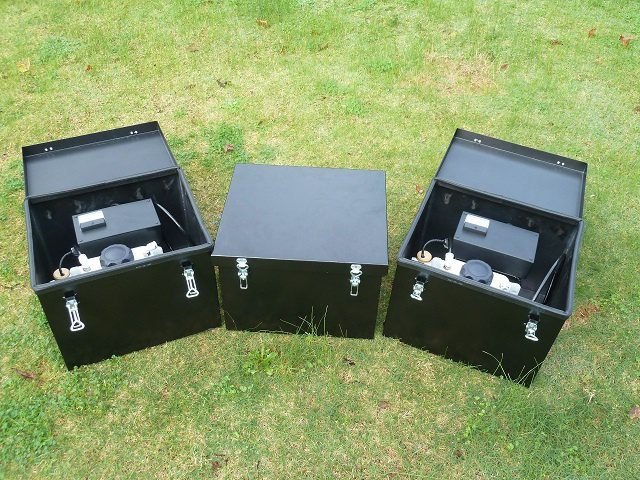
There is also a separate category worth assessing for retained internal-combustion assets: on-board hydrogen enhancement systems, often called HHO systems. These systems generate hydrogen and oxygen from the vehicle electrical system to support cleaner, more complete combustion. Hydrogen Fuel Systems supplies application-specific kits for vehicles, trucks, marine engines and generators. As with any retrofit, results must be measured on the actual engine and duty cycle, with installation completed correctly and relevant warranty, insurance and compliance requirements checked first.
Hybrid vehicles can make good commercial sense where driving includes constant stop-start work but charging access is limited. They recover energy during braking and reduce engine run time in urban conditions. For fleets that cannot yet move fully electric, hybrids can be a practical step down in fuel use.
Anti-idle technology is less glamorous, but it can produce quick results. Automatic engine shut-down, auxiliary battery systems, cab climate solutions and driver alerts reduce wasted fuel during waiting, loading and breaks. If a fleet has excessive idling, fix that before spending heavily on advanced vehicle technology.
Software does not replace a clean fuel or electric drivetrain, but it makes every technology work harder. Telematics can expose speeding, harsh acceleration, idling, route deviations, tyre-pressure issues and poor vehicle allocation. Route optimisation can reduce empty kilometres and match the right vehicle to the right job.
Driver coaching matters because fuel economy is often won or lost in the cab. The best program is not a generic lecture. It gives drivers clear, fair feedback based on comparable routes, payloads and vehicles. Reward sustained improvements, investigate outliers and make fuel performance visible.
A fleet decarbonisation project should be treated like any other operating investment. Establish a baseline first. Record litres per 100 kilometres, litres per engine hour, kilometres, payload, idle hours, servicing costs and emissions factors for each asset group.
Then run a controlled trial. Keep the vehicle type, route, driver conditions and fuel source as consistent as possible. Measure long enough to account for weather, seasonal work and load variation. One favourable tank of fuel is not proof. Neither is a single disappointing week.
Your assessment should include capital cost, installation cost, fuel or electricity cost, maintenance, downtime, training, infrastructure upgrades and residual value. Calculate payback in months, but also calculate the operational risk. A solution that saves fuel yet creates missed deliveries or unavailable equipment can cost more than it returns.
When suppliers make performance claims, ask for test methods, application details and supporting documentation. Request evidence relevant to your engine class and workload, not a result taken from an unrelated passenger vehicle. Tested, repeatable results are what turn a sustainability initiative into a commercial decision.
Most successful fleets use several technologies at once. Electric vehicles may suit metro runs. Renewable diesel may suit existing regional trucks. Idle reduction and telematics can improve the whole fleet. Targeted combustion-efficiency retrofits may be assessed on high-fuel-use internal-combustion assets that are staying in service.
Start with a pilot group large enough to create useful data, but small enough to manage closely. Set a fuel, emissions and uptime target before installation or vehicle delivery. Review the result against the baseline, then scale only where the numbers hold up.
Decarbonisation does not need to wait for a perfect future fleet. Put the next fuel bill under pressure now. The strongest move is the one that cuts waste on the jobs your vehicles are already doing, while building a credible path to lower-emission operations.
by Gavan Knox MSc, BSc, BEd, Inventor
WhatsApp call +61 403177183
contact gavan@hfuel.com.au
https://hydrogenfuelsystems.com.au
Brilliant Invention Gen 20 Hydrogen Generator ---(update Feb 7... Full Story

by Gavan Knox HFS whats app +61 403177183 gavan@hfuel.com.au... Full Story
HHO Versus Additives: What Actually Pays Back? - Oct.... Full Story
Run a Fleet Hydrogen Trial That Shows Real Results... Full Story
4WD Hydrogen Results for Hard-Working Rigs - Oct 9... Full Story
Payment Methods Partner:

© 2023 - Hydrogenfuelsystems pty ltd