Brilliant Invention Gen 20 Hydrogen Generator July 2 2026
Brilliant Invention Gen 20 Hydrogen Generator ---(update Feb 7... Full Story


by Gavan Knox MSc, BSc, BEd, Inventor
WhatsApp call +61 403177183
contact gavan@hfuel.com.au
https://hydrogenfuelsystems.com.au
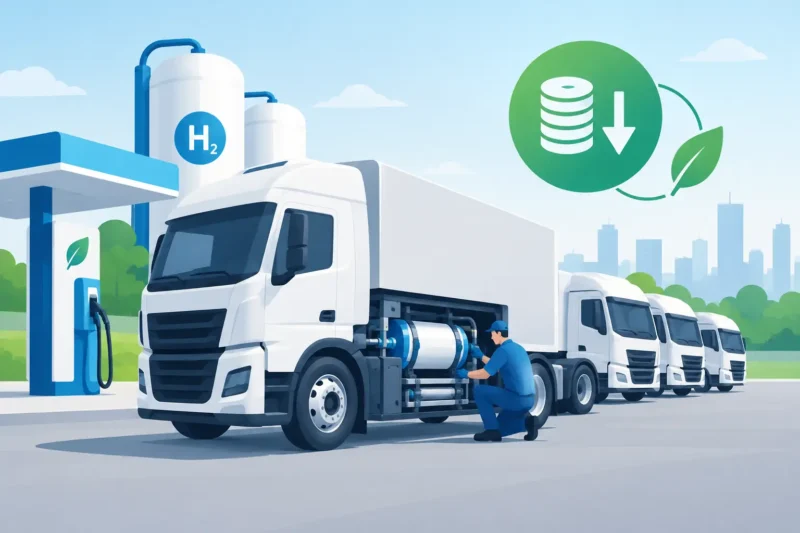
Fleet Hydrogen Retrofit for Lower Fuel Costs – Oct 17. A fleet hydrogen retrofit is not a replacement engine program and it is not a reason to stop managing driver behaviour, tyre pressures or service intervals. It is an aftermarket combustion-efficiency upgrade that must earn its place through measured fuel use, dependable operation and a clear payback period. For fleets burning serious litres every week, that is the only standard that matters.
On-board hydrogen generator systems, often called HHO systems, use electrical power to generate a hydrogen-rich gas that is introduced into the engine intake. The objective is to support a more complete, more consistent burn of the existing diesel or petrol charge. When the application, installation and calibration are right, operators are looking for lower fuel consumption, cleaner combustion characteristics and a vehicle that feels more responsive under load.
The opportunity is strongest where vehicles work hard and repeat similar routes: delivery fleets, tradie utes, regional service vehicles, generators, marine engines, 4WD work vehicles and trucks with meaningful annual kilometres. But a fleet is not a test bench. Uptime comes first. That means selecting the right vehicles, proving results properly and expanding only when the numbers stack up.
A hydrogen retrofit does not turn a diesel truck into a hydrogen-powered vehicle. The primary fuel remains diesel or petrol. The kit is an auxiliary system designed to introduce a small volume of generated gas into the induction process while the engine runs.
That distinction matters when discussing the project with managers, drivers and maintenance teams. You are assessing an efficiency and combustion-support system, not committing to new fuel infrastructure, hydrogen storage tanks or a complete powertrain conversion. For many Australian operators, that makes the retrofit pathway far more practical than replacing vehicles before their working life is finished.
A properly specified system typically includes the hydrogen generator, power supply and wiring protection, water reservoir, hose and fittings, filters, mounting hardware and application-specific installation guidance. Fitment quality is not a minor detail. Poor cable routing, incorrect electrical protection, unsuitable mounting points or an untidy intake connection can turn a worthwhile trial into an avoidable workshop headache.
The expected operational benefit is straightforward: use less fuel for the same work, while maintaining the reliability your fleet requires. Some operators also pursue lower visible smoke, reduced exhaust emissions and smoother performance. Those outcomes can vary widely by engine condition, loading, route profile, ambient temperature and how consistently the vehicle is maintained.
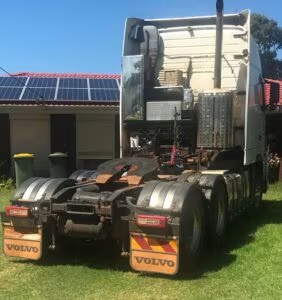
The highest-fuel-use vehicle is not always the best first candidate. Start with assets that have reliable records and predictable operating conditions. A truck that alternates between metropolitan stop-start work, long highway runs and irregular heavy loads may still be suitable, but it is harder to evaluate than a vehicle running a repeated regional route.
A strong trial candidate has sound mechanical health, consistent drivers or telematics data, known payload patterns and a fuel history long enough to establish a baseline. Avoid using a vehicle with unresolved injector faults, intake leaks, cooling issues or intermittent electrical problems. A retrofit should not be used to mask maintenance defects. Fix the engine first, then assess the efficiency upgrade.
For owner-drivers, the commercial calculation is immediate. Every litre saved improves margin. For a multi-vehicle fleet, the calculation becomes more powerful because even a modest improvement, repeated across high annual fuel use, can materially reduce operating costs. The larger the annual fuel bill, the less tolerance there should be for vague claims. Demand records.
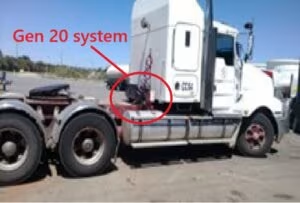
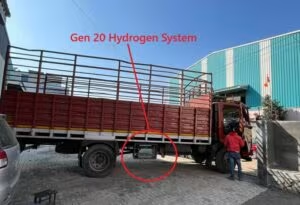
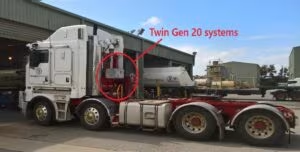
A generator application can also be a practical place to start because load cycles are often measurable and fuel use can be closely monitored. Marine applications need the same discipline, with extra attention paid to vibration, corrosion protection, electrical safety and access for inspection.
System size must match the engine displacement, fuel type and workload. Bigger is not automatically better. An oversized unit, poorly matched electrical supply or incorrect installation can create unnecessary complexity without improving results.
This is why a fleet should document each candidate vehicle before ordering: make, model, year, engine capacity, fuel type, kilometres, known modifications, normal operating load and typical monthly fuel use. That information supports sensible kit selection and gives the installer a clear starting point.
Hydrogen Fuel Systems offers different generator capacities for cars, trucks, marine engines, generators and 4WD applications. The practical question is not which unit looks largest on paper. It is which configuration is appropriate for the engine and can be installed cleanly, safely and serviceably.

The fastest way to lose confidence in a fuel-saving program is to install systems across ten vehicles and then try to work out whether they paid off. Start with a controlled pilot. One vehicle may be enough for an initial technical check, but two or three similar vehicles provide a better commercial picture.
Build a baseline using at least several weeks of normal operation. Record litres purchased, kilometres travelled, engine hours where relevant, payload or work type, average speed, idle time and any servicing performed. If the fleet has telematics, use it. If it does not, disciplined fuel cards and driver logs can still provide useful data.
After installation, compare like with like. Do not compare a lightly loaded summer run with a wet-season route carrying heavier loads. Account for route changes, major traffic events, driver swaps, towing, idling and maintenance work. The aim is not to produce a flattering number. The aim is to find a repeatable number you can use in a boardroom, workshop or toolbox meeting.
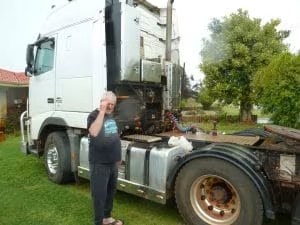
Use a simple commercial calculation:
Annual fuel saving = annual litres used x verified fuel reduction x fuel price per litre
Then compare that figure with the installed cost, service requirements and any downtime needed for installation. If a system delivers measurable savings without creating maintenance disruption, the payback case is clear. If the data is inconsistent, investigate before fitting more vehicles. No operator should scale an upgrade based on a single impressive tank of fuel.
A retrofit is only as good as the installation behind it. Fleet managers should treat fitment as a maintenance task, not an accessory job rushed in between services. The unit needs a secure mounting location, protected wiring, correct fusing, sound earth connections, controlled hose routing and access for routine checks.
Drivers should know what normal operation looks like and what to report. Maintenance staff should know the inspection points, water requirements and replacement intervals for consumable components. This does not need to become a complicated new procedure, but it does need ownership. Systems ignored for months are more likely to deliver poor data and poor reliability.
Keep installation documentation with the vehicle file. Record component serial details, fitment date, wiring layout, service checks and any changes to the intake or electrical system. This protects the fleet when vehicles move between workshops, drivers or depots across Australia.
Before committing, ask for application information relevant to your engine type, installation instructions, component specifications and documentation supporting the system’s design. Ask how the kit is powered, what maintenance it requires, how it is protected electrically and what happens if a component needs replacement.
Also ask the harder question: how will we measure success? A supplier can provide a system, but your fleet must establish the fuel baseline and operating controls that prove whether the investment works in your conditions. That is not scepticism. It is good fleet management.
Be cautious with blanket savings promises. A light-duty petrol ute used for short urban trips will not behave like a loaded diesel truck on a stable highway run. Older engines, newer electronically managed engines, generators and marine equipment each present different installation and measurement considerations. The target is verified improvement for the work your assets actually perform.
A well-run fleet hydrogen retrofit program starts with one disciplined decision: put the right system on the right vehicle, then make the fuel figures do the talking. When the data shows a genuine return, you have a practical case for rolling it out vehicle by vehicle – without gambling the uptime your business depends on.
by Gavan Knox MSc, BSc, BEd, Inventor
WhatsApp call +61 403177183
contact gavan@hfuel.com.au
https://hydrogenfuelsystems.com.au
Brilliant Invention Gen 20 Hydrogen Generator ---(update Feb 7... Full Story
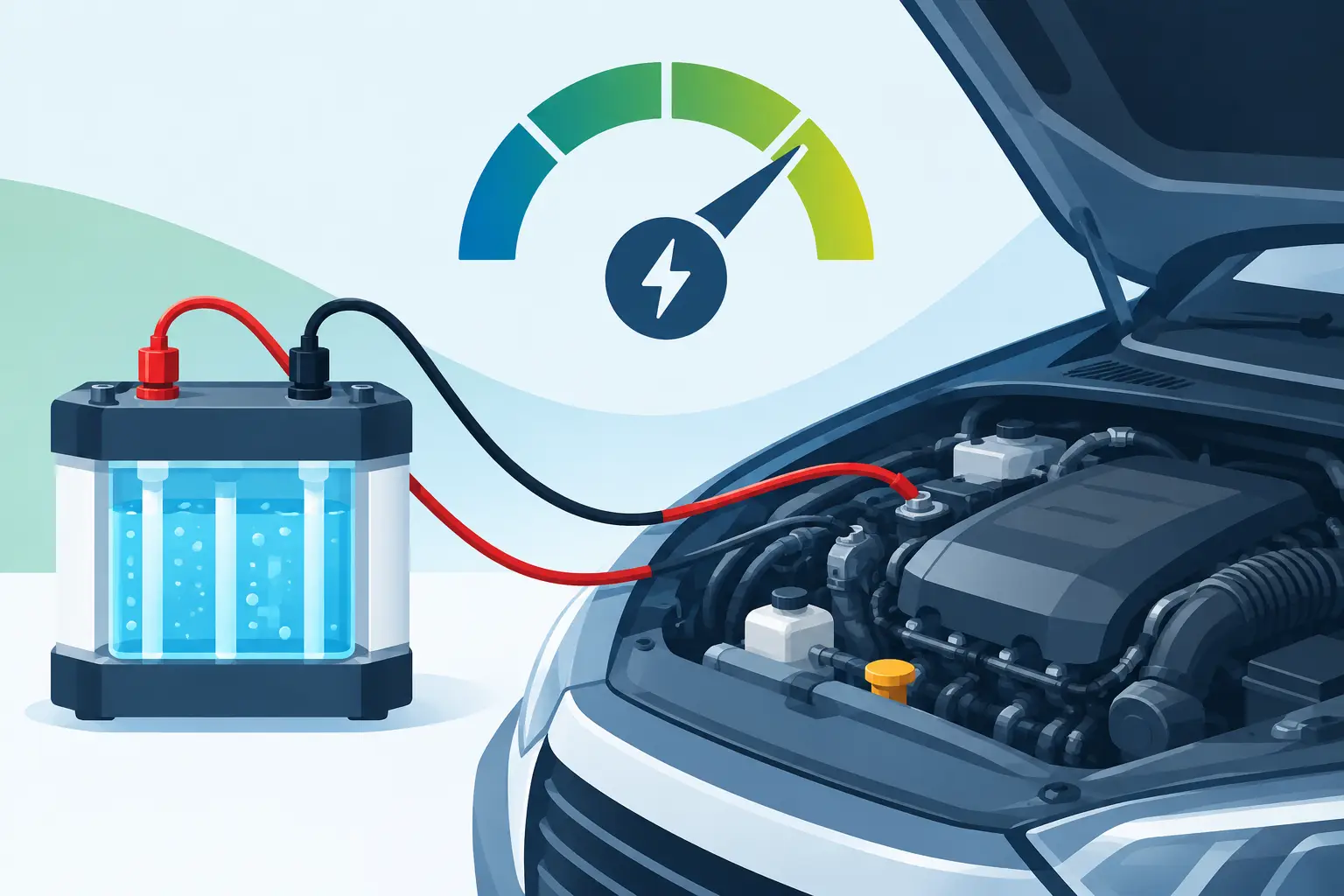
An HHO system that draws too little current can... Full Story
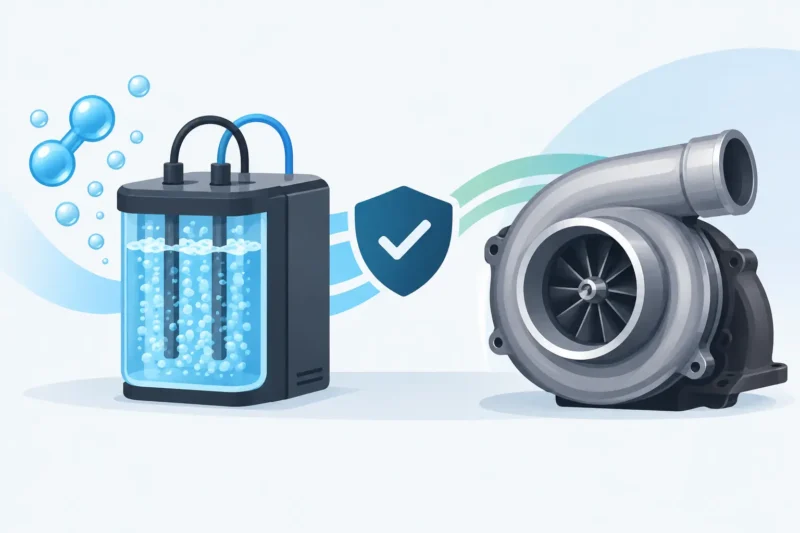
Will HHO Affect Turbochargers? Facts That Matter - Nov... Full Story
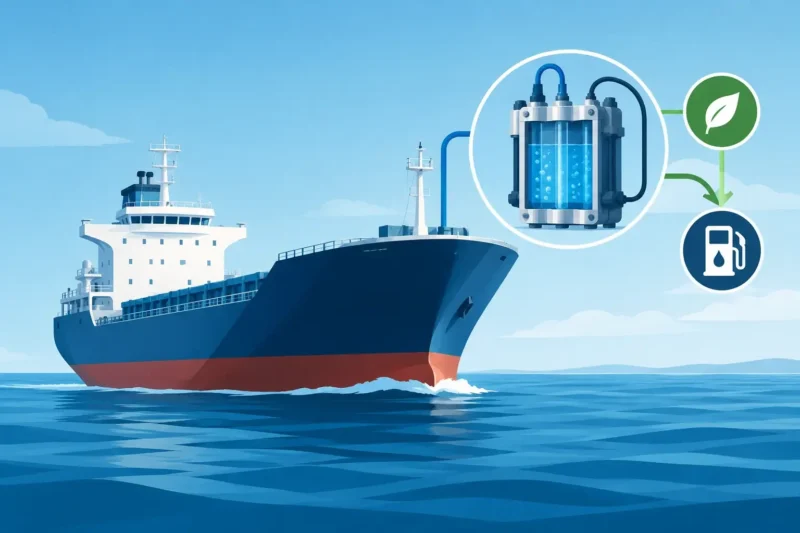
Marine Vessel HHO Fuel Trial for Real Fuel Savings... Full Story
Payment Methods Partner:

© 2026 Hydrogen Fuel Systems Pty Ltd