Brilliant Invention Gen 20 Hydrogen Generator July 2 2026
Brilliant Invention Gen 20 Hydrogen Generator ---(update Feb 7... Full Story
Perth, West Australia





by Gavan Knox MSc, BSc, BEd.
WhatsApp call +61 403177183
contact gavan@hfuel.com.au
https://hydrogenfuelsystems.com.au
Fuel Savings Calculator for Hydrogen Kits – Aug 12 . A fuel savings calculator for a hydrogen kit puts a hard number beside the question every driver, fleet manager and machinery owner should ask: will this system cut enough fuel use to pay for itself? If your ute, truck, 4WD, boat or generator is burning fuel week after week, guessing is expensive. Run the figures first, then make a decision based on operating cost, expected consumption change and payback time.
Hydrogen enhancement is not a magic number that applies identically to every engine. The vehicle’s condition, load, route, fuel type, engine capacity, driving style and installation quality all affect the result. But a proper calculator gives you a clear commercial starting point – especially where fuel bills are large enough for small percentage gains to become serious annual savings.

The calculation is straightforward. Start with your real fuel use, not the manufacturer’s brochure figure. Pull fuel receipts, fleet records or bowser data for at least four weeks. For seasonal work, such as harvest machinery, marine operations or a generator running through summer, use a full comparable operating period.
Your annual fuel cost is your annual litres used multiplied by the price paid per litre. Your projected saving is that annual cost multiplied by the fuel-saving percentage you want to test. Divide the installed system cost by the projected annual saving and you have an estimated payback period.
For example, a diesel work vehicle using 8,000 litres annually at $2.00 per litre has an annual fuel bill of $16,000. At a conservative modelled saving of 20 per cent, that is $3,200 a year. At 25 per cent, it becomes $3,200. Those figures give you a realistic range to compare against the purchase and installation cost of the kit.
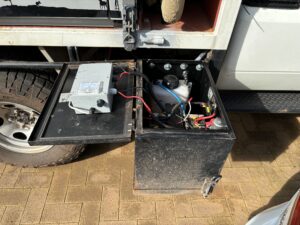


Do not calculate from one good tank or one bad week. A headwind, heavy trailer, stop-start city work, a loaded tray or a long idle period can shift consumption quickly. The value of the calculator is not that it promises a result. Its value is that it shows what each measured improvement is worth to your operation.
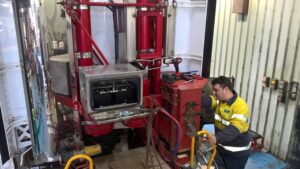
A useful fuel savings calculator hydrogen kit assessment needs inputs you can defend. Four matter most:
For road vehicles, it also pays to track kilometres per litre or litres per 100 km. For trucks, record the tonnes carried and route type where possible. For a boat, include engine hours, speed and sea conditions. The more consistent the baseline, the more meaningful your before-and-after comparison becomes.
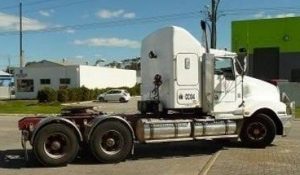
A 20 per cent saving sounds the same on every vehicle, but its dollar value is not. Saving 20 per cent on a passenger car using 1,500 litres a year is one thing. Saving 10 per cent on a prime mover, high-hour generator or working diesel 4WD using 15,000 litres is another proposition altogether.
That is why high-consumption applications are often the strongest candidates for hydrogen generator kits. Their fuel spend gives the improvement room to work. The system does not need to transform the vehicle into a laboratory experiment. It needs to make enough repeatable difference at the bowser to improve the operating margin.
The reverse is also true. If a vehicle only travels a few thousand kilometres a year, has a low fuel bill or is nearing replacement, the payback may be slower. Be honest about that before you buy. A good investment is one that fits the job, the engine and the hours it actually works.
Run three scenarios. The low case should be a cautious result that still makes commercial sense. The expected case can reflect the result you believe is achievable for a properly maintained, correctly installed application. The high case shows the upside, but it should never be the only reason you proceed.
Say a transport operator spends $60,000 annually on diesel. A 5 per cent reduction is worth $3,000 a year. At 10 per cent, it is $6,000. At 15 per cent, it reaches $9,000. The difference between those percentages looks modest on paper, yet it can decide whether a system pays back in months, one year or longer.
Now add the factors your fuel spreadsheet does not automatically capture. Better combustion can support cleaner running, reduced visible exhaust emissions and improved engine response in suitable applications. Owners may also value stronger torque under load and less engine stress. These are real operational considerations, but they should sit alongside measured fuel data rather than replace it.
For fleets, multiply cautiously. Do not assume that a result from one vehicle will copy perfectly across ten different routes, drivers and engine conditions. Fit a representative vehicle first, establish a disciplined baseline, and monitor it over enough kilometres or hours to remove the noise. If the figures stack up, a staged rollout protects your capital and gives management credible evidence.
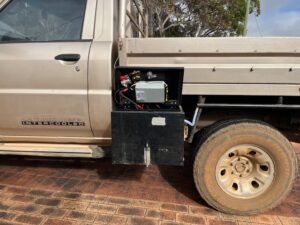
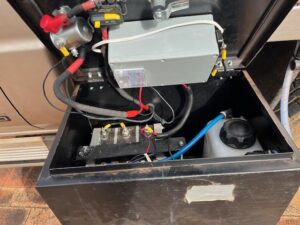
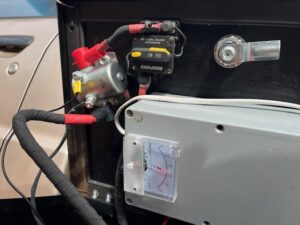
The calculator can only be as accurate as the system around it. A hydrogen generator kit must be sized to the engine and installed correctly, with sound electrical supply, secure mounting, proper hose routing and the correct supporting components. A poorly fitted system can undermine an otherwise worthwhile application.
Engine health matters just as much. Address blocked filters, injector faults, intake leaks, turbo issues, worn sensors and overdue servicing before judging any fuel-saving technology. If the engine is already wasting fuel because of a mechanical fault, your baseline is unreliable and the potential result will be harder to verify.
This is where application-specific guidance has real value. A small petrol car, a common-rail diesel ute, a marine diesel and a stationary generator do not have identical requirements. System output, mounting position, power supply and operating duty all need to match the application. Hydrogen Fuel Systems supplies different generator sizes because one-size-fits-all thinking does not belong under a bonnet.
Once fitted, keep the test method boring and consistent. Fill at the same point where practical, log litres, kilometres or hours, record load and note unusual operating conditions. For a work vehicle, compare similar routes and payloads. For a generator, compare similar electrical loads. For marine use, avoid judging the result from one rough day on the water.
Give the comparison enough time. A single tank is a snapshot, not proof. Several tanks, several weeks or a defined hours-based test will produce a much stronger picture. The goal is not to chase a flattering number. It is to establish whether fuel spend has moved in a way that makes business sense.
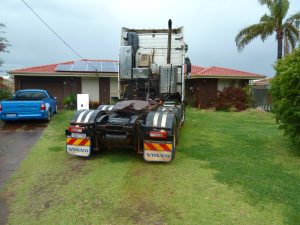
A calculator should answer three practical questions. What does every 1 per cent saving mean in dollars? How long does the fitted system take to pay back? And what happens if fuel prices rise?
That final question matters. As diesel and petrol prices climb, the dollar value of every litre saved rises with them. A system that appears to have a two-year payback at one fuel price may repay itself sooner when operating costs increase. Run the calculator at your current fuel price, then test a higher price as well. It shows whether your investment case gets stronger under the conditions most operators are trying to protect themselves from.
Put your own receipts into the calculator, use conservative assumptions and insist on a proper fit for your engine. When the litres, dollars and payback period line up, you are no longer buying on hope – you are making a decision built around the cost of running your equipment.
by Gavan Knox MSc, BSc, BEd.
WhatsApp call +61 403177183
contact gavan@hfuel.com.au
https://hydrogenfuelsystems.com.au
Wednesday, August 12, 2026
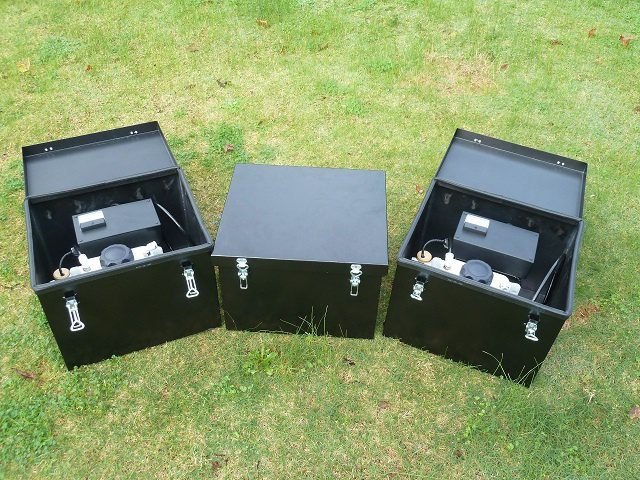
Brilliant Invention Gen 20 Hydrogen Generator ---(update Feb 7... Full Story

by Gavan Knox HFS whats app +61 403177183 gavan@hfuel.com.au... Full Story

Best Vehicles for HHO Upgrades in Australia - Oct... Full Story
Fuel Economy Methodology That Produces Real Numbers - oct... Full Story

Can HHO Improve Towing Economy? Facts That Matter -... Full Story
Payment Methods Partner:

© 2023 - Hydrogenfuelsystems pty ltd