Brilliant Invention Gen 20 Hydrogen Generator July 2 2026
Brilliant Invention Gen 20 Hydrogen Generator ---(update Feb 7... Full Story
Perth, West Australia





by Gavan Knox MSc, BSc, BEd, Inventor
WhatsApp call +61 403177183
contact gavan@hfuel.com.au
https://hydrogenfuelsystems.com.au
When diesel prices keep climbing and your vehicle, generator or work ute is burning through tank after tank, the question gets very simple – does hho reduce diesel consumption, or is it just another workshop promise that sounds good on paper? If you rely on diesel every day, you do not need theory. You need a system that can improve combustion, lower running costs and prove its value in real conditions.
The short answer is yes, HHO can reduce diesel consumption when the system is properly matched to the engine, installed correctly and used on an engine that is already in sound mechanical condition. That is the part many people skip. HHO is not a magic fix for worn injectors, low compression, blocked filters or poor tuning. It is a combustion enhancement system. When the engine is healthy and the kit is sized properly, the result can be less fuel used to produce the same work.

It can, and that is exactly why diesel owners keep looking at the technology. HHO, sometimes called hydrogen enhancement or on-board hydrogen generation, introduces a small volume of hydrogen and oxygen gas into the engine intake. That gas helps the diesel charge burn more completely and more rapidly. More complete combustion means more of the diesel is converted into usable energy instead of wasted as heat, soot and unburnt fuel.
For owner-drivers and fleet operators, that matters because diesel engines are often worked hard under load – towing, hauling, idling, stop-start delivery work, off-road use, marine duty or generator operation. In those conditions, any gain in combustion efficiency can translate into lower fuel use. It can also show up as a cleaner-running engine, reduced smoke and stronger throttle response.
That said, not every diesel application will deliver the same percentage saving. A long-haul truck operating at steady load may respond differently from a 4WD, a marine diesel or a generator. Driving style, load, terrain, maintenance history and engine size all affect the outcome. Serious buyers understand this. The right question is not whether every engine gets the same result. The right question is whether HHO can improve combustion enough to cut fuel use in a properly set up diesel application. The answer is yes.
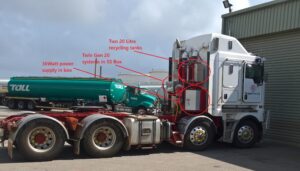
Diesel engines already run lean, but that does not mean every droplet of fuel burns perfectly. In real engines, combustion is affected by atomisation, air movement, injection timing, cylinder condition and temperature. HHO is used to support a faster and more efficient flame front inside the combustion chamber.
Hydrogen has a very fast flame speed and low ignition energy. When introduced in controlled amounts, it can help the diesel-air mixture ignite and burn more effectively. The practical effect is better use of the fuel already being injected. Instead of adding bulk fuel energy like a second main fuel source, HHO acts more as a combustion improver. That distinction matters. The system is designed to help the engine get more from the diesel it already consumes.
In diesel terms, that can mean stronger low-end pull, smoother running, less visible exhaust under load and reduced fuel consumption over time. For operators who watch every litre, those gains are not cosmetic. They affect operating margin.
A realistic answer beats a flashy one. Some engines show modest gains. Others show stronger fuel savings, especially where the vehicle or machine operates under regular load and consistent duty cycles. Results depend on engine displacement, system output, installation quality and how the vehicle is used.
A lightly used diesel passenger vehicle that only does short suburban trips may not show the same return as a loaded ute, truck, generator or marine engine that works for hours at a time. Engines with high fuel usage usually provide the clearest financial case because even a moderate percentage improvement can add up fast.
This is why tested, application-specific sizing matters. An undersized system may not deliver enough gas for the engine demand. An oversized or poorly installed system can create inconsistency and disappointment. Buyers looking for genuine fuel savings should treat HHO the same way they would treat injectors, turbo matching or gearing – the hardware has to suit the job.
This is where straight talk matters. HHO will not fix a diesel that is already losing efficiency due to mechanical faults. If the injectors are dirty, the air filter is blocked, the EGR system is coked up, compression is down or the engine management has underlying faults, fuel consumption may stay poor regardless of the kit.
It also will not overcome bad operating habits. Constant hard acceleration, excessive idling, overloaded operation and poor service intervals can wipe out potential gains. If someone fits a kit and expects miracles while ignoring basic maintenance, the result is usually frustration.
The best outcomes come from engines that are serviced properly and used consistently. That is not a weakness of the technology. It is simply how combustion improvement works. You need a solid platform to improve.
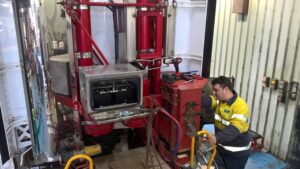
The answer is simple – pressure on costs. Every extra litre burned on the road, on the water, on-site or in the paddock comes straight off the bottom line. For owner-operators, there is no corporate buffer. For fleets, a small percentage across multiple vehicles becomes serious money over a year.
That is why interest in HHO keeps growing across Australia. A tradie running a diesel ute in Perth, a transport operator in Melbourne, a generator user in regional WA or a marine operator in Queensland all have the same problem: fuel costs hurt, and replacing vehicles is expensive. An aftermarket combustion enhancement system is attractive because it targets operating efficiency without requiring a full vehicle changeover.
There is another factor as well. Many diesel users are not only chasing fuel savings. They also want better drivability, less smoke and less carbon build-up. A system that supports cleaner combustion can offer value beyond the bowser.
For many diesel users, yes – especially where fuel spend is already high. The key is payback. If a vehicle, truck, boat or generator consumes enough diesel each week, then even a moderate reduction can recover the system cost over time. After that, the savings continue to work in your favour.
This is why serious HHO buyers focus on numbers, not hype. They want to know system size, expected output, installation method, service requirements and likely return based on actual fuel usage. That is the right mindset. A combustion enhancement product should be evaluated like any other performance investment – by cost, application fit and measurable result.
A low-use vehicle may take longer to justify the spend. A high-use diesel application can often make the case much faster. The heavier the fuel bill, the more attention savings get.
Not all kits are built to the same standard. If the goal is to reduce diesel consumption, the system needs to be more than a collection of generic parts. Look for a setup with proper sizing options, technical documentation, installation guidance and a design intended for real automotive, industrial or marine use.
You also want proof-focused suppliers, not vague claims. Patented design features, test data, certification material and model-specific support all matter. A serious supplier should be able to explain where the kit fits, how it is installed and what sort of diesel application it suits best.
That matters even more in Australia, where conditions can be brutal. Heat, dust, long distances and heavy-duty use expose weak components fast. A diesel owner in the real world needs gear that is built for sustained use, not bench-top marketing.
So, does HHO reduce diesel consumption? Yes, it can, and in the right application it makes solid mechanical and financial sense. It works by improving combustion efficiency, helping the engine burn diesel more completely and convert more of that fuel into usable power.
But the result depends on getting the basics right. The engine must be healthy. The kit must be sized properly. The installation must be done correctly. And expectations must be based on real operating conditions, not fantasy numbers.
For diesel owners who are serious about fuel savings, that is good news, not bad news. It means there is a practical path forward. If your diesel vehicle, truck, boat or generator is costing too much to run, the smartest move is to look at proven combustion improvement backed by technical support and real application data. That is where a properly engineered HHO system earns its place – not in theory, but in liters saved over the long haul.
by Gavan Knox. July 4 2026
HFS whats app +61 403177183
gavan@hfuel.com.au
Saturday, July 4, 2026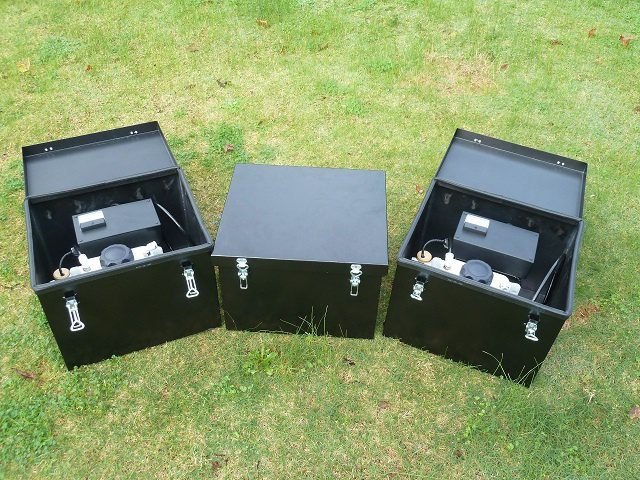
Brilliant Invention Gen 20 Hydrogen Generator ---(update Feb 7... Full Story

by Gavan Knox HFS whats app +61 403177183 gavan@hfuel.com.au... Full Story

Fuel Economy Methodology That Produces Real Numbers - oct... Full Story

Can HHO Improve Towing Economy? Facts That Matter -... Full Story
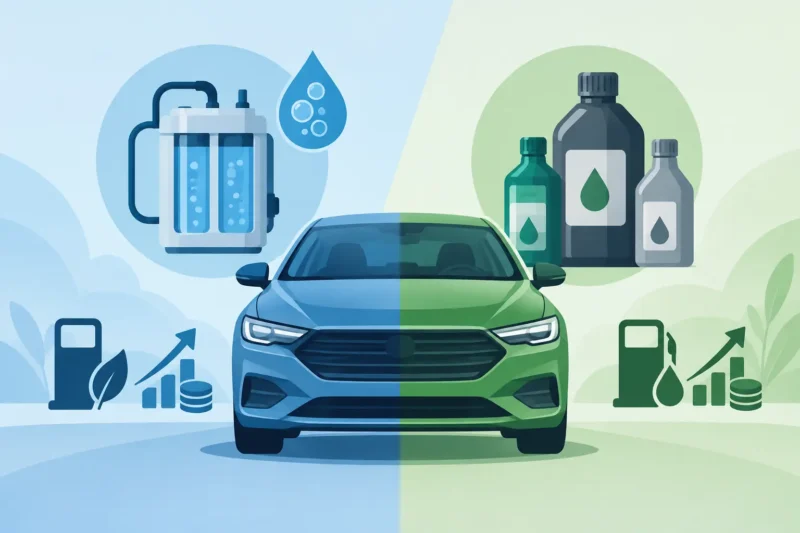
HHO Versus Additives: What Actually Pays Back? - Oct.... Full Story
Payment Methods Partner:

© 2023 - Hydrogenfuelsystems pty ltd