Brilliant Invention Gen 20 Hydrogen Generator July 2 2026
Brilliant Invention Gen 20 Hydrogen Generator ---(update Feb 7... Full Story
Perth, West Australia




A proper HHO generator comparison starts where fuel bills hurt most: at the engine. A small commuter car, a loaded work ute, a highway truck and a stationary generator do not need the same hydrogen output, electrical supply or installation approach. Buy too small and the system may not suit the workload. Buy too large without supporting hardware and you create an avoidable installation problem.
The right system is not the biggest unit on the page. It is the unit matched to engine capacity, fuel use, duty cycle and available electrical capacity. That is how you give an HHO kit the best chance of delivering cleaner combustion, improved drivability and worthwhile operating-cost results.
An on-board HHO system produces hydrogen and oxygen gas from water using electrical power supplied by the vehicle or machine. That gas is introduced into the intake stream in controlled quantities to support more complete combustion of the primary fuel.
The comparison point that matters is not simply cell size. It is whether the generator can produce an appropriate gas volume for the engine while operating safely and efficiently within the vehicle’s electrical system. A 1.5-litre petrol hatchback at suburban speeds presents a very different demand from a 6-cylinder diesel towing a plant trailer, or a marine diesel operating under steady load for hours.
Hydrogen Fuel Systems offers Gen 10, Gen 15, Gen 20 and Gen 25 options because one-size-fits-all thinking does not work in the real world. System sizing should reflect the engine and its job, not a guess based on the badge on the bonnet.
For passenger cars, smaller petrol engines, light diesel vehicles and moderate-use applications, a lower-output system may be the sensible choice. The goal is to support combustion without drawing unnecessary current or complicating the fitment.
A compact installation can suit drivers who want to reduce fuel consumption on regular commuting kilometres, provided the alternator, wiring, reservoir position and intake access are properly assessed. A neat installation matters. Poor cable routing, weak earth connections and unsuitable mounting points can compromise any system, regardless of generator size.
A ute or 4WD often operates in two very different modes: unloaded weekday driving and hard towing, touring or off-road work. The right HHO kit needs to be selected for the vehicle’s engine capacity and its normal workload, not the occasional easy run to the shops.
For owners who tow caravans, tools, boats or machinery, combustion efficiency under load is the key conversation. A correctly matched generator can complement a well-maintained diesel or petrol engine by supporting a cleaner burn when fuel demand rises. It is not a substitute for servicing injectors, fixing boost leaks or replacing a blocked air filter. It is an enhancement system, and the base engine must be mechanically sound.
High-hour engines make the economics more serious. A truck covering major kilometres, a marine vessel running long passages or a generator consuming fuel day after day gives operators more opportunity to measure changes in fuel use.
These applications generally demand a higher-capacity system and more careful planning around mounting, vibration, airflow, electrical protection and service access. A generator installation, for example, must be built around stable operating load and safe component placement. Marine installations require extra attention to corrosion resistance, hose routing and secure mounting in a moving environment.
For commercial operators, the best comparison is not purchase price alone. It is cost per operating hour, expected fuel use, downtime risk and how easily the system can be inspected and maintained.
Two HHO generators can look similar in a photo and perform very differently once fitted. The cell is only one part of the package. A serious comparison examines the components that control gas production, electrical reliability and intake delivery.
Start with the power supply. The system needs properly rated cabling, fusing, relays and switching so it operates when the engine is running and is protected from electrical faults. The alternator must have enough reserve capacity for the application. This is especially relevant on vehicles already carrying driving lights, fridges, winches, inverters or other accessories.
Then look at gas conditioning and safety hardware. Filters, moisture management, non-return protection and quality hose connections are not optional extras. They help prevent electrolyte carryover and protect the intake system. A cheap kit that cuts corners on these parts may be cheap only at checkout.
Installation support is another major divider. A system supplied with clear instructions, wiring information and application guidance is easier to fit correctly and easier to troubleshoot later. Fleet operators and distributors should also consider parts availability. A kit is more valuable when consumables and replacement components can be obtained without pulling a vehicle off the road for weeks.
Claims of fuel savings, power gains and emissions reductions attract attention because the potential return can be substantial. They should also trigger sensible questions. Results vary with engine condition, driver behaviour, load, terrain, fuel quality, maintenance history and installation quality.
Ask for technical documentation that is relevant to the product and the type of vehicle being considered. Patent information, certification material, test reports, installation manuals and recorded customer results are all useful when viewed together. One dramatic testimonial is not enough to predict what a different engine will do on a different route.
For a fleet, measure before making a broad rollout. Record kilometres, litres, idle time, payload, route type and driver allocation over a meaningful period. If the vehicle is a generator or marine engine, record fuel use by operating hour and typical load. Compare like with like. That produces a far more useful answer than relying on a single tank of fuel after a tailwind-assisted highway run.
It also pays to separate fuel economy from maintenance benefits. Cleaner combustion may support reduced deposits and better engine cleanliness, but it will not repair worn injectors, poor compression, a failing turbocharger or an engine management fault. Any supplier promising that one add-on fixes every mechanical issue should be treated carefully.
The difference between a productive HHO installation and a frustrating one is often found in the detail. The generator needs a secure mount away from excessive heat and moving parts. Wiring needs correct protection and clean connections. The reservoir must be accessible for checking and topping up with the specified water and electrolyte mixture.
The intake connection needs to be positioned and sealed correctly for the engine type. Diesel and petrol engines can have different requirements, while modern electronically controlled vehicles may need a more considered approach than older mechanical engines. Do not drill, tap or alter components without understanding what sits behind them.
Australian conditions make this practical work even more important. Corrugations, red dust, coastal air, extreme heat and long-distance towing expose weak installations quickly. A kit that is mounted properly, protected from vibration and serviced on schedule is built for the work. A rushed fitment is not.
Treat the generator range as a sizing ladder, not a simple good-better-best sale. The best unit is the one that matches your engine’s demand and the way it earns its keep.
A lower-capacity option can be appropriate for smaller vehicles and lighter duty. Mid-range sizing may suit common utes, 4WDs and moderate-capacity engines. Larger systems are generally more relevant where engine displacement, sustained load and fuel consumption are materially higher, such as heavier trucks, larger marine engines and industrial generator applications.
Before ordering, establish the engine size, fuel type, normal load, kilometres or hours per week, existing accessories and available mounting space. If your vehicle spends most of its life towing, carrying tools or working in remote areas, say so. Those details are more useful than simply asking which kit is “best”.
The strongest HHO generator comparison ends with a practical decision: choose the correctly sized system, fit it with the right supporting hardware and measure its performance against your actual fuel use. When the engine works for a living, the numbers should do the talking.
Monday, October 5, 2026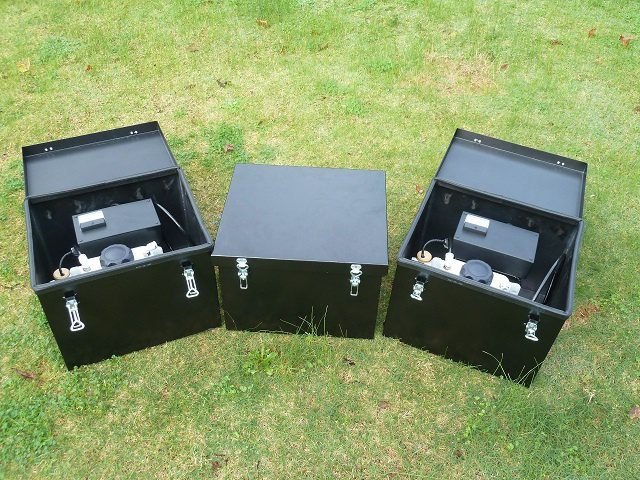
Brilliant Invention Gen 20 Hydrogen Generator ---(update Feb 7... Full Story

by Gavan Knox HFS whats app +61 403177183 gavan@hfuel.com.au... Full Story
A proper HHO generator comparison starts where fuel bills... Full Story
Hydrogen Cell Reviews for Real Engine Results - Oct... Full Story
Best Marine Fuel Upgrades for Working Boats - Oct... Full Story
Payment Methods Partner:

© 2023 - Hydrogenfuelsystems pty ltd