Brilliant Invention Gen 20 Hydrogen Generator July 2 2026
Brilliant Invention Gen 20 Hydrogen Generator ---(update Feb 7... Full Story
Perth, West Australia




by Gavan Knox MSc, BSc, BEd, Inventor
WhatsApp call +61 403177183
contact gavan@hfuel.com.au
https://hydrogenfuelsystems.com.au
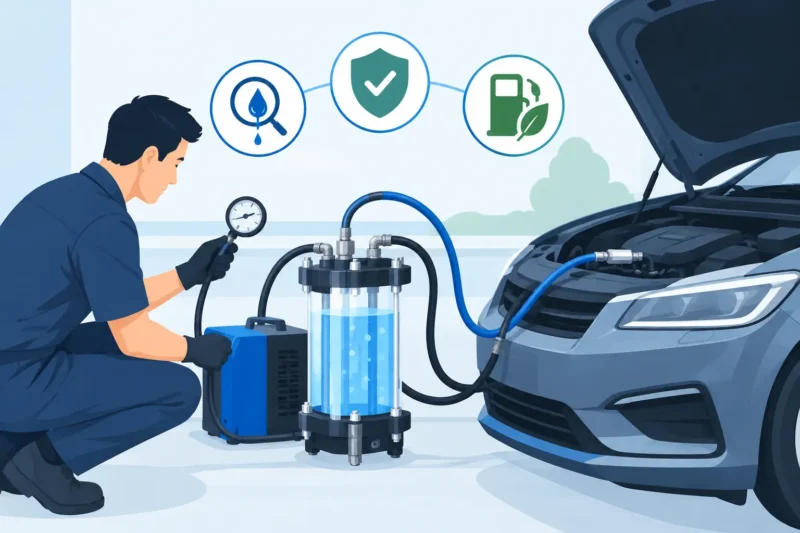
HHO Leak Testing Procedure for Safe Fuel Savings – Sept 11. A loose hose clamp can turn a well-installed HHO system into a poor performer fast. It can waste generated gas, allow air into the wrong part of the system, contaminate fittings with electrolyte residue and create an avoidable ignition risk under the bonnet. An HHO leak testing procedure is not a box-ticking exercise. It is the final quality check that protects the performance, economy and reliability you fitted the system to achieve.
For a car, ute, truck, 4WD, generator or marine engine, the rule is simple: if the HHO gas path is not sealed, do not put the system into service. Find the fault, correct it and test again.
An HHO system relies on a controlled flow path from the generator through its safety components and delivery line to the engine intake. Every hose join, fitting, filter connection, bubbler and gas inlet is a potential leak point. A small leak may not be obvious during a quick visual check, particularly once the engine bay is hot, vibrating and exposed to dust.
The performance consequence is direct. Gas escaping before it reaches the intake means less hydrogen enhancement reaching the combustion process. That compromises the fuel-saving and engine-response result the system was selected to deliver. It can also leave tell-tale moisture or alkaline residue around fittings, shortening component life and making later diagnosis harder.
The safety consequence matters even more. HHO gas is highly flammable. Never use a flame, cigarette lighter, match or any ignition source to look for a leak. Carry out checks in a well-ventilated area, keep sparks and smoking materials away, and follow the installation manual supplied for your exact kit.
Start with a cold engine where practical. Hot exhaust components, moving belts and fans make close inspection unsafe and hide the areas that need attention. Park the vehicle or equipment on level ground, apply the park brake and make sure the work area has good airflow.
Before any test, inspect the installation with the system powered down. Look for hose ends that are not pushed fully onto barbs, clamps sitting behind rather than over the sealing area, brittle tubing, sharp bends, crushed lines and fittings that have been cross-threaded or overtightened. Also inspect cable routing and mounting hardware. Vibration is one of the biggest enemies of an under-bonnet installation, especially on work utes, 4WDs and trucks that spend time on rough roads.
Check that the generator, bubbler or water trap, filter and any flashback protection are positioned and connected exactly as specified in the kit documentation. A leak test cannot compensate for an incorrectly routed system. If the layout does not match the supplied installation instructions, correct the layout first.
Use only materials compatible with the system. Random hose, sealants or fittings from the shed can soften, crack or react with electrolyte exposure. A neat, properly supported installation is easier to test, easier to service and far more likely to keep delivering consistent results over long kilometres.
The safest practical method is a staged inspection using an approved non-flammable leak-detection solution or a mild soap-and-water solution suitable for the materials in your kit. Do not spray electrical terminals, relays, controllers or exposed wiring. Keep the test liquid on gas-line joints and fittings only.
With the HHO system switched off and isolated according to the installation instructions, trace the gas line from the generator outlet to the intake connection. Use your hands and eyes to check each joint. Confirm hoses are fully seated, clamps are secure and fittings are not damaged.
Pay close attention to the connections that are easiest to overlook: the outlet fitting beneath a cover, the bubbler lid, the line after a filter, the intake adaptor and any join hidden behind the battery or airbox. These are common places for a system to pass a quick workshop glance but fail after several days of vibration.
Apply a small amount of solution around each external joint in the gas path. The aim is to reveal escaping gas, not soak the engine bay. Work methodically from one end of the system to the other so no connection is missed.
Do not assume a fitting is sealed because it looks dry. A slow leak may leave no visible residue at all. Likewise, do not confuse spill residue around a reservoir or bubbler with a gas leak. Clean the area, identify the source and address the actual fault rather than tightening every fitting at random.
Re-energise and operate the system only as the manufacturer specifies, with the engine bay ventilated and ignition sources controlled. Watch the applied solution at each connection. Persistent bubble formation indicates a leak. Mark the exact location, shut the system down and repair it before proceeding.
Do not lean over belts, fans or hot engine components during an operating inspection. If access is poor, use a safe inspection mirror or reposition components when the engine is switched off and cool. No fuel-saving result is worth taking risks around a running engine.
A leaking hose connection may require the hose to be cut back to sound material and refitted, a clamp to be replaced, or a damaged fitting or seal to be renewed. Overtightening is not a repair method. It can split tubing, distort plastic components and create a larger problem on the next drive.
Once repaired, repeat the full check from the generator outlet through to the intake. Retesting only the connection you touched is a common mistake. If one hose has hardened or one clamp has loosened, other joints may be close behind.
Some issues need immediate attention rather than a ‘check it later’ attitude. Stop using the HHO system and investigate if you see repeated bubbling during testing, wetness or crystalline residue around connections, a noticeable gas smell, loose mounting brackets, melted or heat-damaged tubing, or unexplained changes in system operation.
A sudden drop in expected performance can also point to a leak, but it is not proof on its own. Fuel use is affected by load, driving style, tyre pressure, towing weight, wind, traffic and engine condition. Confirm the physical system first, then assess economy over a meaningful operating period rather than judging one tank of fuel.
For fleet operators, this is where simple maintenance records pay off. Record the date, kilometre reading, components inspected, repairs made and any recurring fault location. That evidence helps identify whether the issue is installation-related, vibration-related or caused by a component nearing the end of its service life.
The best time to find an HHO leak is before it becomes expensive. Check the gas path after installation, after the first period of operation, after major engine-bay work and after hard off-road, marine or heavy-duty use. A monthly visual inspection is sensible for high-kilometre vehicles and equipment that works for a living.
Also inspect after replacing an air filter, battery, intake hose or any component near the HHO plumbing. Mechanics can unintentionally disturb a line while carrying out unrelated work. A two-minute check before the vehicle returns to the road can prevent lost efficiency and a preventable safety issue.
Hydrogen Fuel Systems kits are designed for real Australian operating conditions, but no kit can deliver its intended result if the installation is neglected. A clean, sealed and correctly secured gas path gives the system its best chance to support efficient combustion, lower operating costs and dependable engine performance.
Treat the leak test as part of protecting your investment. Fix small faults immediately, use the right parts, and keep the system installation standard as high as the vehicle or equipment it is working to improve.
by Gavan Knox MSc, BSc, BEd, Inventor
WhatsApp call +61 403177183
contact gavan@hfuel.com.au
https://hydrogenfuelsystems.com.au
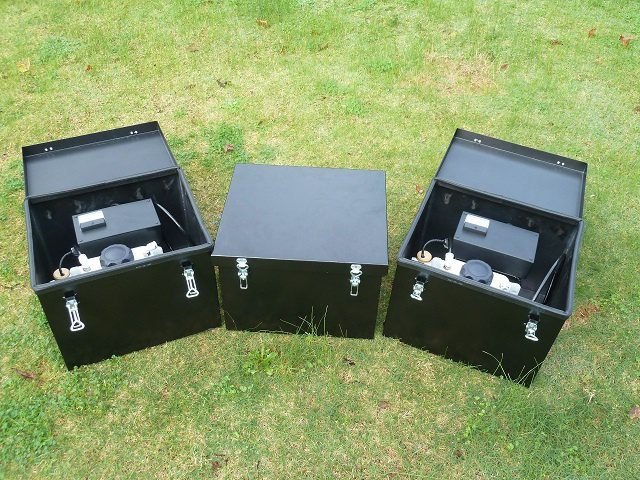
Brilliant Invention Gen 20 Hydrogen Generator ---(update Feb 7... Full Story

by Gavan Knox HFS whats app +61 403177183 gavan@hfuel.com.au... Full Story
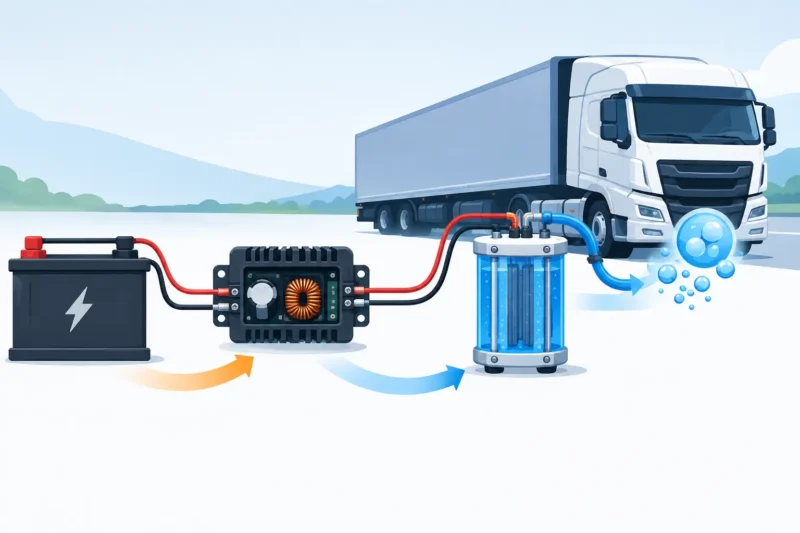
How 24V-to-13.8V Buck Configuration Regulators Affect HHO generation in... Full Story
A diesel that is smoking, using more fuel or... Full Story

How Do DC-DC Boost Regulators Affect Hydrogen Gas Production?... Full Story
Payment Methods Partner:

© 2023 - Hydrogenfuelsystems pty ltd