Brilliant Invention Gen 20 Hydrogen Generator July 2 2026
Brilliant Invention Gen 20 Hydrogen Generator ---(update Feb 7... Full Story
Perth, West Australia





by Gavan Knox MSc, BSc, BEd.
WhatsApp call +61 403177183
contact gavan@hfuel.com.au
https://hydrogenfuelsystems.com.au
The Future of Hydrogen Engine Enhancement. A diesel work ute that idles for
HHO Truck Fuel-Saving Case Study for Fleets. A truck fuel saving case study HHO system test is only worth reading when the truck, route, load and fuel figures are all on the table. A driver saying, “it feels better on fuel” is a starting point. It is not proof. For an owner-driver or fleet manager spending thousands of dollars a month at the bowser, the real question is simple: did the truck use fewer litres to do the same paid work?
That is the standard a proper HHO trial needs to meet. Measure the baseline, fit the system correctly, run comparable work, then compare litres per 100 kilometres, litres per tonne moved, idle time and engine response. When the data is clean, the financial decision becomes much clearer.

Heavy vehicles are not passenger cars with bigger tanks. Payload changes. Wind matters. Drivers change. A B-double pulling through the Adelaide Hills will not return the same number as a lightly loaded rigid truck doing metro drops in Perth. Even tyre pressures, idle time at a depot and the way a driver uses the accelerator can distort the result.
That is why a credible fuel-saving case study does not rely on one trip or one refill. It compares enough operating data to remove the noise. The aim is not to make a miracle claim from a favourable run. The aim is to see whether the truck consistently uses less fuel while completing comparable work.
An on-board HHO system generates a hydrogen and oxygen gas blend from the vehicle’s electrical system and introduces it into the engine intake. The purpose is to support a more complete and efficient combustion event. On a working diesel truck, the expected result is stronger response under load, reduced fuel consumption where operating conditions suit the system, and cleaner combustion characteristics.
Results depend on the engine condition, duty cycle, installation quality and the discipline of the test. A truck with blocked filters, injector issues, boost leaks or poor maintenance is not a fair platform for judging any fuel-saving technology. Fix the mechanical basics first. Then measure the improvement.
A useful trial starts with a baseline period. For most working trucks, collect at least two to four weeks of normal operating data before installation. More data is better where routes, loads and weather vary heavily. Record every refill from the same pump where possible, rather than relying on a fuel gauge.
The key comparison is not just total litres purchased. It is fuel consumed against work completed. For a linehaul truck, that may be litres per 100 kilometres and litres per tonne-kilometre. For a tipper, it may be litres per operating hour, tonnes carried and cycle count. For a refrigerated delivery truck, separate the truck’s travel fuel use from any auxiliary equipment draw where practical.
Keep a record of the truck’s kilometres, engine hours, payload, route type, idle time and fuel cost. Note major exceptions such as a long detour, a breakdown, unusually heavy traffic, a new driver or an oversized load. These details stop a poor comparison becoming an expensive guess.
After the HHO kit is installed, run the same measurement process over a comparable period. Do not change five things at once. If the truck receives a tune, new tyres, injector work and a hydrogen system in the same week, you cannot fairly assign the result to any one change.
Before fitting a system, inspect air filters, fuel filters, intake plumbing, intercooler hoses, battery condition and charging voltage. A hydrogen generator depends on a sound electrical supply, and the engine needs to be operating properly before its fuel figures mean anything.
Also confirm the system size suits the application. A light commercial truck and a high-consumption prime mover do not have the same gas demand or installation requirements. Hydrogen Fuel Systems offers Gen 10, Gen 15, Gen 20 and Gen 25 configurations for different engine capacities and working conditions. Selecting the wrong size can limit the result before the truck even leaves the yard.
Professional installation matters just as much. Mounting position, hose routing, electrical protection, water supply, intake connection and safe separation from heat and vibration all need attention. A clean, correctly installed system is a working asset. A rushed installation creates faults, downtime and unreliable data.
A believable case study shows the working conditions before announcing the percentage. It identifies the truck, engine, typical payload, route profile, baseline fuel use, post-installation fuel use and test distance or hours. It also makes clear whether the figures are from a controlled test, a customer’s operating records or a manufacturer demonstration.
Consider an illustrative example. A diesel rigid truck travels 5,000 kilometres a month and averages 24 litres per 100 kilometres. That is 1,200 litres per month. If comparable post-installation records show a 10 per cent reduction, consumption falls to 1,080 litres. The difference is 120 litres every month.
At $2.00 per litre, that is $240 per month, or $2,880 across a year before allowing for changes in fuel price and workload. A larger truck using 3,000 litres a month has far more at stake. Even a modest percentage improvement can become serious money when the vehicle works every day.
The point is not that every truck will deliver the same figure. It will not. The point is that high fuel consumption creates a bigger savings opportunity, provided the result can be repeated in normal operations. Fleet operators should judge a system on litres saved and payback time, not on promotional language alone.
Driver feedback is not a replacement for fuel records, but it has value. A driver may report cleaner pull-up on a hill, reduced smoke under hard acceleration, smoother throttle response or less frequent downshifting. Those observations can support the combustion story, especially when they line up with measured consumption changes.
Ask drivers to record their feedback in a consistent way. One driver’s “more power” may mean stronger low-end torque. Another may simply be responding to a recent service. Short notes tied to route and load give the workshop and fleet manager something useful to assess.
The fastest way to produce misleading figures is to compare a loaded run before installation with an empty run afterwards. Another common mistake is using only one tank of fuel. A single refill can be affected by bowser cut-off, parking angle, fuel temperature or a change in route.
Avoid these traps:
A fair trial does not need to be complicated. It needs to be disciplined. The more consistent the records, the easier it is to see whether the system is contributing a real operational gain.
Start with actual monthly fuel spend, not an optimistic forecast. Multiply average monthly litres by the current fuel price, then apply only the saving percentage supported by your trial data. From there, compare the monthly saving with the installed system cost.
For example, if a truck burns $6,000 of fuel each month and verified records show an 8 per cent reduction, the monthly saving is $480. If fuel prices rise, the dollar value of every litre saved rises as well. If the truck is parked up for part of the year, the payback period lengthens. This is why utilisation matters.
There can also be operational benefits beyond the bowser. Better combustion may support drivability and help reduce visible exhaust smoke in some applications. But fuel savings should carry the financial case. Treat every additional benefit as valuable support, not as an excuse to skip the numbers.
Before fitting any aftermarket system, check vehicle warranty conditions, workplace requirements, insurer expectations and applicable emissions rules. A commercial operator needs an installation that is safe, documented and suitable for the vehicle’s actual job.
The truck that earns its keep on long hauls, repeated heavy loads or constant engine hours gives you the clearest opportunity to test fuel savings. Put the data first, fit the right HHO system properly, and let the litres tell you whether the investment deserves a place in your fleet.
by Gavan Knox MSc, BSc, BEd.
WhatsApp call +61 403177183
contact gavan@hfuel.com.au
https://hydrogenfuelsystems.com.au
The Future of Hydrogen Engine Enhancement. A diesel work ute that idles for
Tuesday, July 28, 2026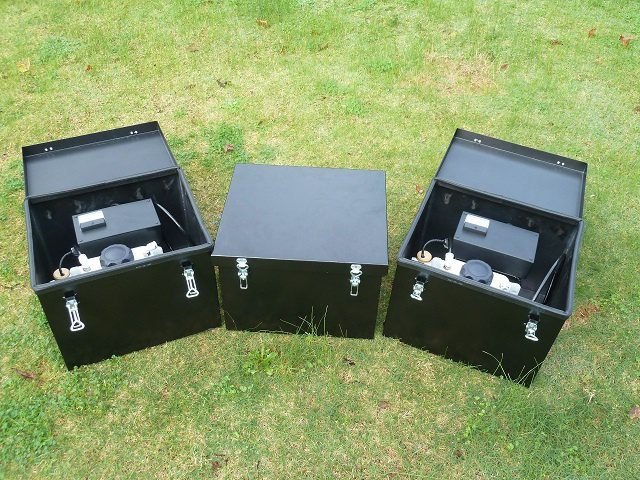
Brilliant Invention Gen 20 Hydrogen Generator ---(update Feb 7... Full Story

by Gavan Knox HFS whats app +61 403177183 gavan@hfuel.com.au... Full Story
A diesel that is smoking, using more fuel or... Full Story

How Do DC-DC Boost Regulators Affect Hydrogen Gas Production?... Full Story
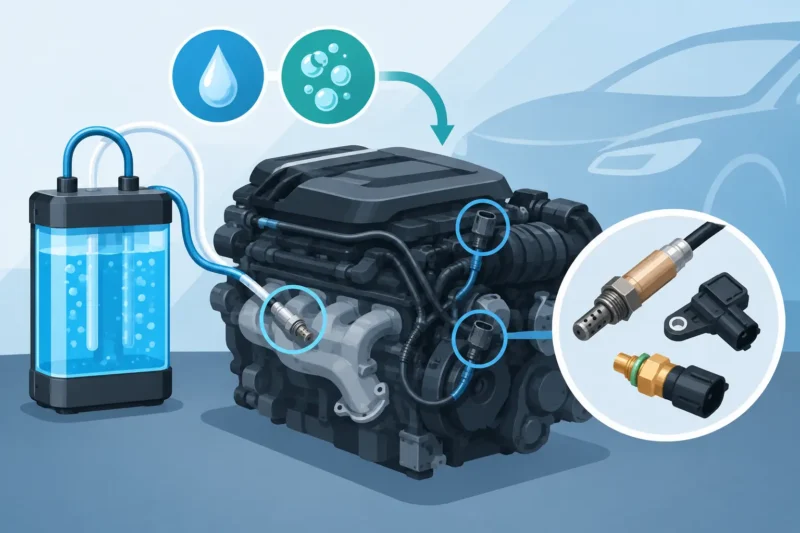
## Can HHO Affect Engine Sensors? What to Check... Full Story
Payment Methods Partner:

© 2023 - Hydrogenfuelsystems pty ltd