Brilliant Invention Gen 20 Hydrogen Generator July 2 2026
Brilliant Invention Gen 20 Hydrogen Generator ---(update Feb 7... Full Story
Perth, West Australia




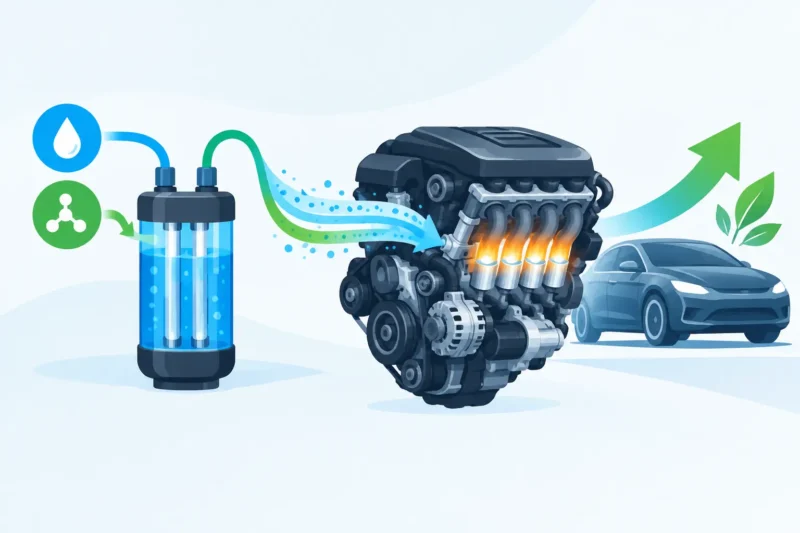
by Gavan Knox MSc, BSc, BEd, Inventor
WhatsApp call +61 403177183
contact gavan@hfuel.com.au
https://hydrogenfuelsystems.com.au
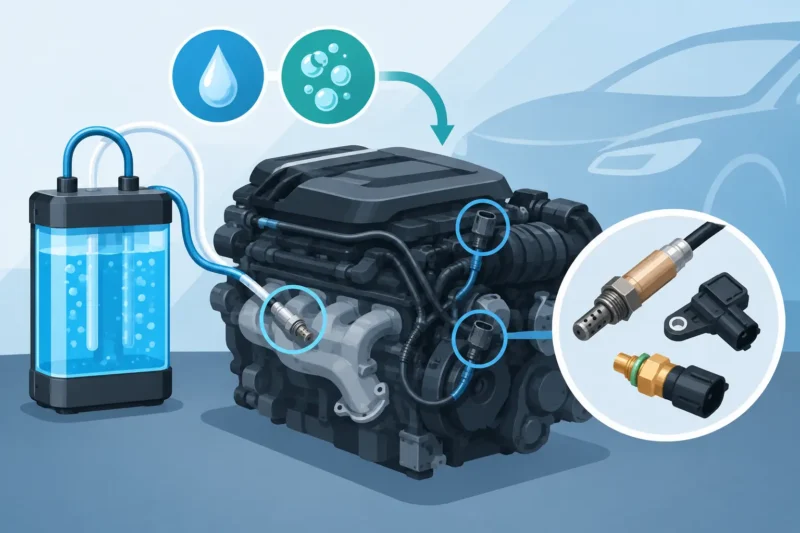
How MAP Enhancers Improve HHO Engine Efficiency – Sept 28. An HHO generator can change the way combustion starts and burns inside an engine, but the factory ECU still makes fuelling decisions from its original sensor strategy. That is where the question, “How do MAP sensor enhancer units improve the Engine operation efficiency when using HHO Hydrogen”, becomes practical rather than theoretical. A correctly set MAP enhancer can help an electronically controlled engine respond to the cleaner, faster-burning combustion environment created by HHO gas, rather than continuing to fuel as if nothing has changed.
For owners running a diesel ute, petrol 4WD, truck, marine engine or generator, the goal is straightforward: turn improved combustion into measurable operating savings without creating fault codes, poor drivability or unsafe exhaust temperatures. The MAP enhancer is one component in that process. It is not a magic fuel-saving box, and it does not replace proper HHO system sizing, installation or engine maintenance. When matched to the vehicle and adjusted properly, however, it can make the HHO system work with the ECU instead of against it.

MAP stands for manifold absolute pressure. The MAP sensor reports pressure in the intake manifold to the engine control unit. The ECU combines this reading with other inputs, such as engine speed, intake temperature, throttle position, airflow and oxygen sensor feedback, to calculate fuelling and boost-related control decisions.
A MAP sensor enhancer, sometimes called a MAP adjuster or voltage modifier, is installed in the relevant sensor circuit. Its job is to make a controlled adjustment to the signal seen by the ECU. Depending on the engine calibration and the enhancer design, that adjustment can influence the ECU’s assessment of engine load and intake pressure.
Why does this matter with HHO? Hydrogen-rich HHO gas is introduced into the intake in small quantities. It has a very fast flame speed and a low ignition energy requirement. In the right application, this can support a more complete and consistent burn of the main fuel charge. The engine may need less fuel to produce the same usable torque, particularly at steady cruise or under repeatable working loads.
The factory ECU cannot automatically assume that the added gas has improved combustion efficiency. It still follows its programmed sensor logic. A MAP enhancer gives the installer a means of fine-tuning that logic within a controlled range, so the engine does not simply add back fuel and wipe out the potential gain.
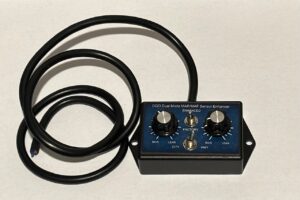
The biggest benefit is improved control over the relationship between combustion quality and fuelling. An HHO system may help the fuel burn more completely, but the MAP enhancer helps ensure the ECU’s response does not undermine that advantage.
On many electronically managed engines, fuelling rises according to calculated load. If the modified MAP signal is calibrated appropriately, the ECU may command less fuel in operating conditions where the HHO gas is assisting combustion. The aim is not to starve the engine of fuel. The aim is to avoid injecting more diesel or petrol than is required to maintain the same road speed, engine speed or work output.
That distinction matters. A vehicle that needs more throttle to hold speed is not delivering a saving, regardless of what a display or sales claim suggests. Real efficiency is confirmed through repeatable fuel-use measurements over comparable routes, loads and driving conditions.
For a fleet vehicle travelling the same run every week, or a generator working against a stable electrical load, the results can be easier to track. In stop-start city work, towing, steep country or constantly changing loads, results will vary more. The engine still needs the fuel required for the job.
Fuel reduction only has value if the engine remains usable. A well-set MAP enhancer is adjusted progressively so the vehicle retains clean acceleration, stable idle and dependable pulling power. The right setting can help a diesel maintain torque with less fuel demand because the HHO-assisted burn is more complete.
This is particularly relevant for tradies, owner-drivers and 4WD owners who do not want an economy tune that makes the vehicle lazy under load. An engine should pull cleanly, start normally and respond predictably. If it surges, smokes excessively, loses power or triggers a warning light, the setting is wrong or the engine has an underlying issue that needs attention.
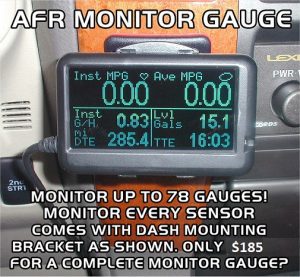

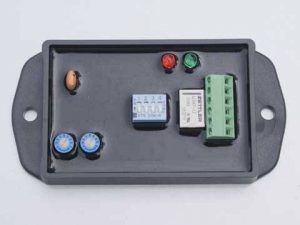
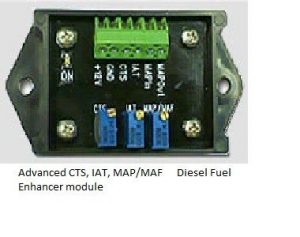
Incomplete combustion wastes fuel and contributes to soot, smoke and carbon build-up. By supporting a faster, more complete burn, HHO can reduce the amount of unburned fuel left behind in the combustion process. The MAP enhancer can help retain that benefit by preventing the ECU from over-fuelling relative to the improved combustion conditions.
For diesel engines, cleaner combustion may also support reduced visible smoke under some operating conditions. This does not mean emissions compliance can be assumed. Exhaust emissions are influenced by engine condition, EGR operation, injector health, turbocharger performance, driving load and the vehicle’s original emissions system. Any modification must comply with applicable Australian laws and must not defeat, remove or interfere with mandatory emissions equipment.
No two engines behave exactly alike. A 3.0-litre turbo-diesel ute, a petrol-powered work van and a stationary generator have different load profiles, ECU strategies and intake arrangements. That is why a one-setting-fits-all approach is poor practice.
The value of an adjustable MAP enhancer is that it gives the installer a controlled tuning point. Start conservatively, assess engine behaviour, monitor consumption across comparable use, and only make small changes. The best result is usually not the most aggressive signal adjustment. It is the setting that provides reliable operation, strong torque and a genuine reduction in fuel used per kilometre or per hour.
An enhancer cannot compensate for a badly installed HHO kit or a tired engine. Before tuning anything, the vehicle should be mechanically sound. Air leaks, blocked filters, worn injectors, faulty sensors, boost leaks and poor electrical connections can all distort results.
HHO generator output must also suit the engine. A small passenger vehicle, a heavy truck and a marine diesel do not need the same system capacity. Correct generator sizing, safe gas delivery, quality electrical supply, proper fusing and a reliable water management setup all matter. A poor installation can create faults that no sensor adjustment will fix.
The vehicle’s ECU strategy also determines whether a MAP enhancer is the right tuning tool. Some modern engines use multiple pressure sensors, mass airflow sensors, wideband oxygen sensors and adaptive fuelling controls. Others have highly sensitive diagnostic thresholds. On these vehicles, a MAP adjustment may need to be modest, used alongside other calibration methods, or avoided entirely. Installation should never be a guess-and-go exercise.
A professional approach begins with a baseline. Record fuel use, route, payload, tyre pressures and operating conditions before fitting or adjusting the system. Then make one change at a time. If the vehicle is used for towing or commercial loads, test it under the same type of work it performs every day.
Watch for drivability, smoke, engine temperature behaviour and fault codes, not only litres per 100 kilometres. On turbo-diesel applications, monitoring exhaust gas temperature where practical is a sensible safeguard, especially if the vehicle works hard, tows regularly or operates in hot Australian conditions.
Avoid the temptation to keep adjusting until the engine is at the edge of acceptable performance. A small, repeatable saving with smooth operation is worth more than a dramatic claim that disappears as soon as the vehicle faces a headwind, a full load or a long climb.
Hydrogen Fuel Systems HHO kits are intended as an engine-efficiency solution, supported by the right components and application-specific installation approach. The MAP enhancer should be treated the same way: as a precision adjustment tool that helps the engine management system make better use of improved combustion.
The practical payoff comes from disciplined setup. Fit the correct HHO system, keep the engine in sound condition, tune conservatively and measure results over real work. When those pieces are in place, a MAP sensor enhancer can help convert HHO-assisted combustion into lower fuel consumption, cleaner running and dependable engine performance where it counts.
by Gavan Knox MSc, BSc, BEd, Inventor
WhatsApp call +61 403177183
contact gavan@hfuel.com.au
https://hydrogenfuelsystems.com.au
Sunday, September 27, 2026
Brilliant Invention Gen 20 Hydrogen Generator ---(update Feb 7... Full Story

by Gavan Knox HFS whats app +61 403177183 gavan@hfuel.com.au... Full Story
A diesel that is smoking, using more fuel or... Full Story

How Do DC-DC Boost Regulators Affect Hydrogen Gas Production?... Full Story
## Can HHO Affect Engine Sensors? What to Check... Full Story
Payment Methods Partner:

© 2023 - Hydrogenfuelsystems pty ltd