Brilliant Invention Gen 20 Hydrogen Generator July 2 2026
Brilliant Invention Gen 20 Hydrogen Generator ---(update Feb 7... Full Story
Perth, West Australia





How to Increase Hydrogen Gas Output by Electrolysis – Sept 10. A hydrogen generator that only produces a few lazy bubbles is not going to make a meaningful contribution to an engine’s combustion process. If you want to know how to increase hydrogen gas output by electrolysis, start with the fundamentals: gas production is determined by electrical current, cell efficiency, heat control and the way the entire HHO system is matched to the vehicle or machine.
More power is not automatically the answer. Push too much current through a poorly designed cell and you create heat, wasted electrical load, electrolyte boil-off and accelerated plate wear. The goal is controlled, repeatable gas production that a vehicle’s charging system can support.
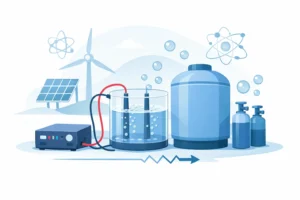
Electrolysis separates water into hydrogen and oxygen by passing direct current through an electrolyte. In simple terms, more current creates more gas. Faraday’s law is the governing principle: hydrogen production rises in direct proportion to the electrical charge passing through the cell.
That does not mean every extra amp is productive. A high-current cell can look impressive at first, then lose efficiency as temperature rises. Electrical energy that should be producing gas starts turning into heat instead. For an on-board HHO system, efficiency matters because the alternator must supply that electrical load while the engine is running.
A properly sized generator therefore aims for the best balance between gas output and amp draw. A small petrol car, a hard-working diesel ute, a prime mover, a boat and a stationary generator do not need the same cell capacity. Matching the system to engine displacement, duty cycle and available alternator capacity is where useful results begin.
The cell is the production centre of the system. Plate material, plate spacing, active surface area and electrical configuration all affect output.
High-grade stainless steel plates are essential. They must resist corrosion while providing a stable surface for electrolysis. Low-quality plates can discolour, pit or contaminate the electrolyte, which reduces output and shortens the service life of the generator.
Hydrogenfuelsystems pty ltd have Further improved the output of the Hydrogen generator by using a Patented Alloy Anode which reduces the oxidation potential loss of using a simple stainless steel 316L anode . This reduces the voltage wasted in avoiding the back voltage and using more of the available electrical energy to produce Hydrogen gas. This also makes the system run cooler and therefore produce much less wasted water vapour.
Another way to lower the wastage of input electrical energy is to use Platinum electrodes which increase the cost of a hydrogen system to many tens of thousands of dollars. There is also a problem of using stainless steel plated with platinum to save energy , for plating of platinum is not easily achieved and has a limited Life span. The Patented alloy anode is a long term device, reasonably cheap and super efficient.
Call Gavan on 0403177183 or on whatsapp +61 403177183 and he will explain to you this latest development .
Plate spacing is equally critical. Plates placed too far apart increase resistance and restrict current flow. Plates placed too close together can encourage overheating or create poor circulation. Consistent gaps allow the electrolyte to move through the cell, carry heat away and maintain reliable production.
Cell configuration also matters. A dry-cell design with properly isolated plate sections generally gives better control over voltage across each active cell than a basic open-bath arrangement. The objective is to operate each section at an efficient voltage rather than forcing excessive current through a small number of plates.
More plate area can increase production, but only when the electrical supply, cooling capacity and engine application justify it. Oversizing a generator for a light-duty vehicle can create unnecessary amp draw. Undersizing it for a large diesel or high-load generator limits the available gas volume when it is needed most.
Pure water is a poor conductor. An electrolyte is required to carry current efficiently through the cell. Potassium hydroxide is commonly used in serious HHO systems because it provides strong conductivity and remains effective across a useful temperature range.
The concentration must be measured, not guessed. Too little electrolyte means weak current flow and poor gas output. Too much can make the system pull excessive current, run hot and consume water faster. The strongest-looking mixture is rarely the best-performing mixture.
Start with a conservative concentration using demineralised water, then monitor current draw and operating temperature once the system is installed. If output is low and amperage is below the intended operating range, small adjustments may be appropriate. If the cell is drawing too hard or heating rapidly, reduce concentration before assuming the generator itself is at fault.
Never use table salt as an electrolyte. Salt can produce corrosive and hazardous chlorine compounds. It has no place in an automotive hydrogen generator.
Heat is the silent performance killer in electrolysis. A cell may produce well during the first few minutes of operation, then become less efficient as electrolyte temperature climbs. Hot electrolyte also expands, increases pressure in the system and can carry more moisture downstream.
The best way to increase hydrogen gas output by electrolysis over a full drive cycle is to keep operating temperature under control. Good cell design helps, but installation quality is just as important. Mount the generator where it has reasonable airflow, away from exhaust heat and vibration. Check that hoses are not kinked, reservoirs are correctly positioned and the cell is not sealed into a hot, airless engine-bay corner.
For high-load applications such as trucks, marine engines and generators, duty cycle is a major consideration. A system that works on a short suburban trip may behave very differently after several hours at steady load. This is why a correctly sized Gen 10, Gen 15, Gen 20 or Gen 25 system should be selected for the application rather than simply choosing the biggest unit available.
An HHO generator is only as consistent as its electrical supply. Voltage drop through undersized cable, weak earth connections, poor crimps or corroded terminals cuts current at the cell and reduces gas production.
Use cable sized for the expected load, install a correctly rated fuse close to the power source and ensure all earth points are clean bare metal protected against future corrosion. A relay-controlled supply is also essential. The generator should operate only when the engine is running, not continue drawing power when the vehicle is parked.
A pulse-width modulator can be useful where current control is required. It allows the operator to limit or tune amp draw rather than relying only on electrolyte concentration. However, it is not a magic output booster. If the cell is poorly configured or overheating, a controller will not fix the underlying problem.
Check alternator health before chasing higher gas volume. If the charging system is already struggling with auxiliary lights, refrigeration, winches, battery charging or other accessories, adding a heavy continuous load can reduce overall system performance. For fleet vehicles and working machinery, measure voltage at the cell while the engine is under normal load, not just idling in the workshop.
Raw gas leaving the cell can carry water vapour and electrolyte mist. That is why a properly arranged reservoir, bubbler and moisture filter are not optional accessories. They protect the intake system and help maintain stable gas flow.
A clean, unrestricted gas path reduces back-pressure. Inspect hoses regularly for softening, cracks, contamination and loose fittings. Keep the water level within the marked operating range. An overfilled reservoir can carry liquid into the gas line, while an underfilled cell may expose plates and destabilise output.
Safety hardware must never be removed in pursuit of more flow. A correctly fitted bubbler and non-return protection help isolate the generator from intake pulses and the risk of flashback. Hydrogen and oxygen mixtures are highly combustible. Treat the system with the same mechanical discipline you would apply to fuel, LPG or high-current electrical work.
Bubbles in a reservoir tell you the generator is active. They do not tell you whether it is operating efficiently. Use measurable checks: current draw, cell temperature, fluid level change over time and, where appropriate, gas flow testing.
When commissioning or troubleshooting, record readings at idle and at operating rpm after the system has reached normal temperature. A healthy setup should show stable current and controlled temperature, not a rapid amp spike followed by a boiling-hot cell.
Check these five areas before increasing electrolyte strength or changing hardware:
This approach prevents a common mistake: treating low output as a chemistry problem when it is actually a wiring, heat or restriction problem.
For vehicle use, gas volume should support combustion enhancement without imposing an excessive parasitic load on the engine. The right system is the one that delivers controlled HHO production for the engine’s size and workload, whether that is a commuter car, diesel 4WD, work ute, marine motor or generator.
Fuel economy and performance outcomes depend on the condition of the engine, driving pattern, load, tuning and installation quality. A tired engine with blocked filters, injector faults or poor compression will not be fixed by adding hydrogen. Deal with core maintenance first, then ensure the generator is installed and adjusted to its intended specification.
The practical path is simple: build efficiency into the cell, keep it cool, feed it stable power and measure every adjustment. Done properly, an on-board hydrogen system becomes a controlled combustion-support tool rather than another underperforming accessory under the bonnet.
Wednesday, September 9, 2026
Brilliant Invention Gen 20 Hydrogen Generator ---(update Feb 7... Full Story

by Gavan Knox HFS whats app +61 403177183 gavan@hfuel.com.au... Full Story
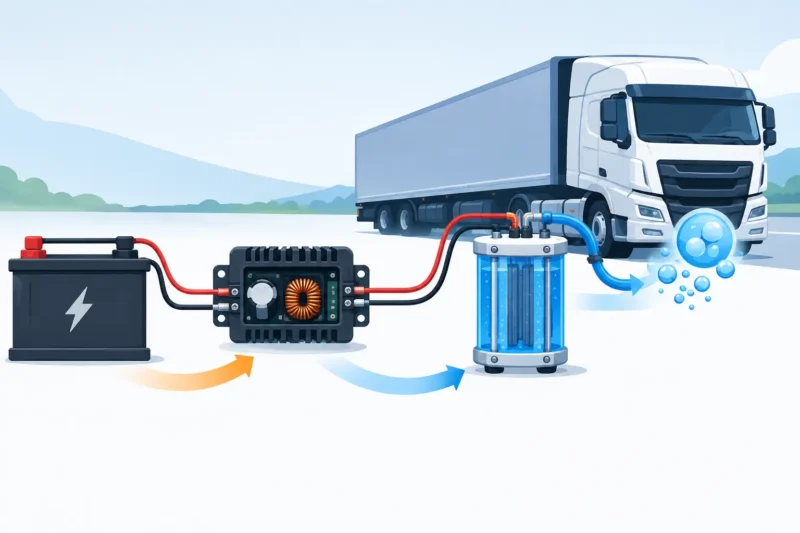
How 24V-to-13.8V Buck Configuration Regulators Affect HHO generation in... Full Story
A diesel that is smoking, using more fuel or... Full Story
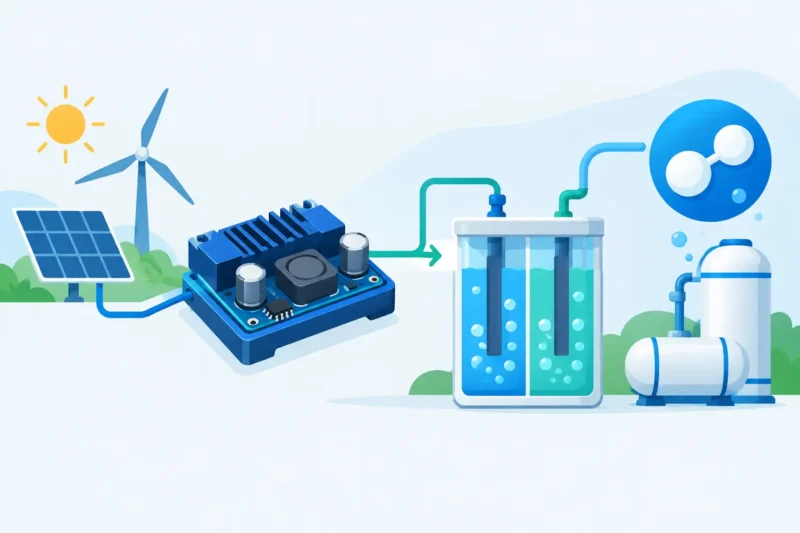
How Do DC-DC Boost Regulators Affect Hydrogen Gas Production?... Full Story
Payment Methods Partner:

© 2023 - Hydrogenfuelsystems pty ltd