Brilliant Invention Gen 20 Hydrogen Generator July 2 2026
Brilliant Invention Gen 20 Hydrogen Generator ---(update Feb 7... Full Story
Perth, West Australia





by Gavan Knox MSc, BSc, BEd.
WhatsApp call +61 403177183
contact gavan@hfuel.com.au
https://hydrogenfuelsystems.com.au
How to Maintain a Bubbler Reservoir Properly . A neglected bubbler reservoir can turn a well-installed HHO system into a source of poor gas flow, moisture carry-over and unnecessary troubleshooting. Knowing how to maintain a bubbler reservoir is not complicated, but it does demand regular checks. A few minutes at service time protects the components that support your engine-efficiency system and helps keep it operating as intended.
The reservoir is not an ornament under the bonnet. It is a working protection component. Keep it clean, correctly filled and properly sealed, and you give your hydrogen system the best chance of delivering consistent output. Ignore it, and small issues can build into blocked hoses, leaks, contamination or reduced system performance.

A bubbler reservoir sits in the gas path between the hydrogen generator and the engine intake. Depending on the system design, it can help trap moisture, provide a visual check of gas movement and add a safety barrier against pressure travelling back towards the generator. It also gives you an early warning when something is wrong. Dirty water, a falling level or bubbles appearing where they should not can point to a problem before it affects the vehicle.
It is worth separating the bubbler from the generator reservoir. The generator reservoir contains the system’s operating solution and is subject to its own service procedure. The bubbler usually contains water only, unless your specific installation manual states otherwise. Do not assume the same fluid, fill level or maintenance interval applies to both.
Always inspect the system with the engine off, the ignition isolated and hot engine-bay components allowed to cool. Hydrogen systems are straightforward when installed and serviced correctly, but this is not the place for shortcuts, open flames or improvised modifications.
Start with the water level. It needs to remain within the marked operating range, or at the level specified for your kit. Too little water can reduce the bubbler’s ability to do its job. Too much can create restriction or increase the risk of water being carried into the gas line. A level that repeatedly drops is not normal maintenance – it is a reason to inspect for a loose cap, cracked reservoir, poorly seated hose or excess heat exposure.
Use the water type specified by the manufacturer. In many HHO installations, distilled or demineralised water is preferred because minerals in ordinary tap water can leave deposits over time. Those deposits may cloud the reservoir, contaminate the hoses and make inspections harder. If the vehicle works in remote areas, on a mine site, at sea or in high-heat conditions, carry suitable top-up water rather than filling the bubbler with whatever is on hand.
Next, look at the water itself. It should be clear and free from sediment, oily film, discolouration or floating debris. If it looks dirty, change it. Do not simply top up contaminated water and hope for the best. Empty the reservoir in accordance with your system instructions, rinse it with approved clean water and refill it to the correct mark. Keep dirt, workshop chemicals and electrolyte from entering the bubbler.
Check the cap, O-ring and fittings before you close it. A cap that feels cross-threaded, an O-ring that has flattened, or a fitting that turns too easily can cause an air or gas leak. Even a small leak can affect visible bubbling and make it harder to diagnose system output. Replace worn seals rather than trying to rescue them with tape, silicone or sealant that is not approved for the component.
The reservoir may be clean, but the system can still lose performance through the lines attached to it. Follow each hose from the bubbler to its adjoining fittings. Look for heat damage, hardening, kinks, chafing against brackets and loose clamps. Hoses routed close to exhaust components, sharp edges or moving belts deserve extra attention.
A clear line should remain clear enough to spot moisture build-up. If you find water collecting where it should not, trace the cause instead of just draining the hose. Incorrect bubbler fill level, poor routing, a blocked filter, a damaged one-way valve or an installation angle that does not suit the vehicle can all contribute.
Do not pull hoses off while the system is operating. After shutdown, handle fittings carefully and avoid stretching the hose ends. A hose that has gone soft, brittle or permanently discoloured is cheap insurance to replace compared with the downtime caused by a preventable fault.
Your regular visual inspection is the fastest way to prevent a minor issue from becoming a workshop job. Stop and investigate if you notice any of the following:
One sign does not automatically mean the generator has failed. It may be as simple as a loose fitting or overdue water change. But treating it early protects the generator, intake plumbing and the time you have invested in the installation.
There is no single service interval for every car, 4WD, ute, boat or generator. A weekend vehicle operating in clean conditions will not place the same demands on the system as a courier van, a long-haul diesel, a marine engine or a generator running daily in dust and heat.
As a practical rule, check the bubbler during regular under-bonnet inspections and inspect it more often on high-use equipment. Make it part of a pre-trip routine for commercial vehicles and machinery where fuel spend and downtime matter. The check takes little time: verify the level, inspect water clarity, look over the cap and hoses, and confirm there is no leakage.
Record what you find for fleet vehicles. A simple maintenance log showing water changes, seal replacements and recurring observations gives operators useful evidence. If a reservoir starts needing frequent top-ups, you can identify the change early rather than waiting for an avoidable failure on the road.
The most common mistake is using the wrong fluid or allowing contamination from the generator reservoir into the bubbler. Keep service containers clean and clearly labelled. Do not use detergent, fuel, degreaser or compressed air inside the reservoir unless the manufacturer specifically directs it. Residue can enter the gas path and create a new problem.
Another mistake is over-tightening plastic fittings. Tight is not always sealed. Plastic threads and caps can crack under excessive force, especially after repeated heat cycles under the bonnet. Tighten components as specified, check the sealing surface and replace damaged parts.
Finally, do not treat the bubbler as a substitute for fixing a fault elsewhere. If gas flow is inconsistent, the issue may involve wiring, the power supply, generator condition, fuses, a blocked filter, hose routing or engine-side installation. The bubbler is a valuable diagnostic point, not a cure-all.
A clean, sealed and correctly filled bubbler reservoir supports dependable HHO system operation, particularly on vehicles and equipment where every litre of fuel and every hour of uptime counts. Hydrogen Fuel Systems equipment is built for real working applications, but every mechanical system performs best when it is inspected instead of ignored.
Make the reservoir check part of your normal service habit. Clear water, secure fittings and healthy hoses are small details that help protect the bigger result: reliable operation from the system fitted to your engine.
by Gavan Knox MSc, BSc, BEd.
WhatsApp call +61 403177183
contact gavan@hfuel.com.au
https://hydrogenfuelsystems.com.au
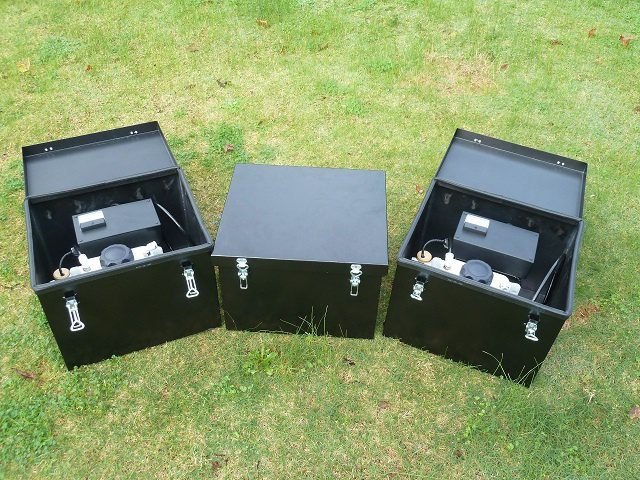
Brilliant Invention Gen 20 Hydrogen Generator ---(update Feb 7... Full Story

by Gavan Knox HFS whats app +61 403177183 gavan@hfuel.com.au... Full Story

Fuel Economy Methodology That Produces Real Numbers - oct... Full Story

Can HHO Improve Towing Economy? Facts That Matter -... Full Story

HHO Versus Additives: What Actually Pays Back? - Oct.... Full Story
Payment Methods Partner:

© 2023 - Hydrogenfuelsystems pty ltd