Brilliant Invention Gen 20 Hydrogen Generator July 2 2026
Brilliant Invention Gen 20 Hydrogen Generator ---(update Feb 7... Full Story
Perth, West Australia




by Gavan Knox MSc, BSc, BEd, Inventor
WhatsApp call +61 403177183
contact gavan@hfuel.com.au
https://hydrogenfuelsystems.com.au
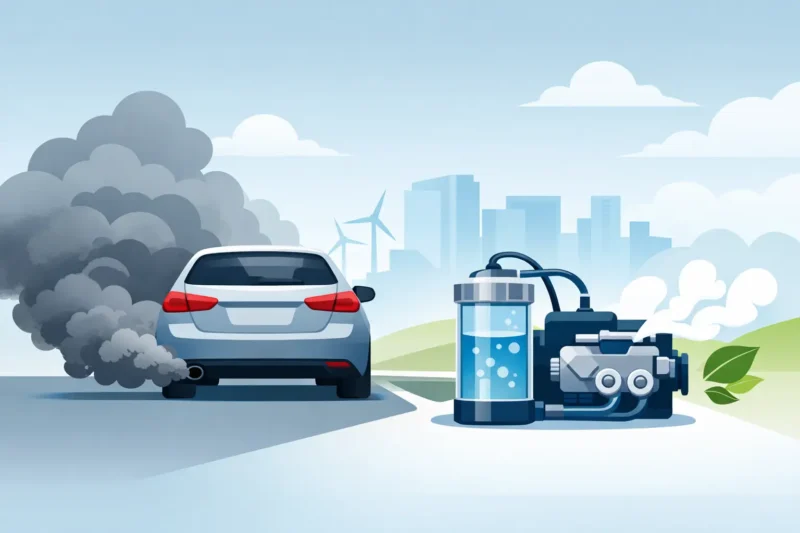
How to Reduce Exhaust Smoke With an HHO System – Sept 7. Black smoke under load, blue smoke on start-up or a white cloud that hangs behind the vehicle are not just cosmetic problems. They can mean wasted fuel, rising operating costs and an engine that is no longer burning its fuel cleanly. If you are researching how to reduce exhaust smoke HHO technology can be part of the conversation, but only after you identify what the smoke is telling you.
For an owner-driver, fleet operator, tradie or machinery owner, the right approach is simple: fix the mechanical cause first, then improve combustion efficiency. An HHO system is designed to supplement the combustion process with on-board hydrogen gas. It is not a magic cover-up for worn rings, failed injectors or a blocked air intake. Get the fundamentals right and you give your engine the best chance to use fuel more completely, produce cleaner exhaust and keep working hard.

Exhaust smoke colour gives you a practical starting point. It does not replace a proper inspection, but it can quickly point you towards the system that needs attention.
Black smoke is common in hard-working diesel utes, trucks, 4WDs, generators and marine engines. It is usually unburnt fuel and soot leaving the exhaust because the engine has more fuel than it can properly burn. A dirty air filter, split intercooler hose, boost leak, sticking EGR valve, faulty turbocharger control or tired injectors can all be behind it.
A vehicle that pours black smoke when climbing a hill or towing may feel powerful enough, but it is throwing usable fuel out the exhaust. That is money lost every kilometre. Check the air path before chasing more complicated fixes: inspect the filter, ducting, clamps, intercooler and turbo hoses for restrictions, loose fittings and oil contamination.
Blue or blue-grey smoke generally means engine oil is entering the combustion chamber. It can come from worn piston rings, valve stem seals, a failing turbo oil seal or an overfilled crankcase. If the oil level is dropping between services, do not expect an HHO kit or fuel additive to solve the issue.
This is a mechanical repair matter. Continuing to work an engine that is burning oil can damage emissions equipment, foul plugs in petrol engines and create much larger repair bills. Establish the cause with compression, leak-down and turbo inspections where appropriate.
A brief white vapour plume on a cold morning can be normal condensation. Thick, persistent white smoke is different. On a diesel engine, it can indicate poorly atomised fuel, low compression, incorrect injection timing or a cold cylinder that is not igniting the fuel properly. Sweet-smelling white exhaust combined with coolant loss can indicate coolant entering the combustion chamber.
Do not ignore this one. Check coolant levels, look for contamination in the oil and arrange a qualified diagnosis before using the vehicle under heavy load.
The fastest route to lower smoke is often overdue maintenance. Engines working in dusty Australian conditions, hauling tools through Perth traffic or running long highway kilometres can gradually lose combustion efficiency without one dramatic failure.
Start with the service items that directly affect air, fuel and heat. Replace a restricted air filter with the correct quality filter. Inspect fuel filters and drain water separators. Have injector balance, spray pattern and fuel pressure checked when symptoms point to fuelling problems. Confirm the turbo is developing the expected boost and that the intake system is sealed.
For diesel engines fitted with a DPF, the condition of the filter and the reason for incomplete regenerations must also be addressed. Removing or bypassing factory emissions equipment may be illegal and can create insurance, roadworthiness and compliance problems. The better commercial decision is to repair the underlying fault and retain a legal, properly operating vehicle.
Use the right oil specification, keep service intervals sensible for the engine’s workload and do not overlook simple issues such as a stuck thermostat. An engine that never reaches its correct operating temperature will not burn fuel as efficiently as it should.
Once the engine is mechanically sound, an HHO system can be considered as a combustion-efficiency upgrade. These systems generate hydrogen and oxygen gas on board, using the vehicle’s electrical system, then introduce that gas into the engine intake in controlled quantities. The aim is to support a faster, more complete burn of the air-fuel charge.
More complete combustion can mean less unburnt fuel available to become visible soot, particularly in engines that spend long periods under steady loads. That is why HHO technology attracts attention from high-kilometre drivers, fleet operators, generator users and marine operators watching every litre of fuel.
The key word is support. A correctly selected and correctly installed system works alongside a healthy air, fuel and exhaust system. It should not be sold, fitted or expected to compensate for a blocked DPF, a leaking injector, failed turbocharger or worn engine internals.
Hydrogen Fuel Systems supplies HHO generator kits in multiple capacities for different engine applications, from passenger vehicles and 4WDs through to larger trucks, generators and marine equipment. System sizing matters. Too little output may not suit a high-capacity working engine; selecting a system without considering engine size, duty cycle and available installation space is equally poor practice.
An HHO kit is an electrical and under-bonnet installation, not an accessory to rush through on a Saturday afternoon. The generator, reservoir, wiring, fuse protection, relays, plumbing and mounting location must be selected and installed with care. Heat, vibration, water exposure and access for routine checks all matter in a working vehicle.
A sound installation uses appropriate cable sizing and fused power supply protection. Hoses must be routed away from sharp edges and heat sources. Connections must be secure, and the system should be mounted so routine electrolyte, filter and condition checks are straightforward. Follow the product-specific installation instructions rather than relying on generic internet advice.
For electronically controlled modern engines, installation must also respect factory sensors and engine management systems. Do not interfere with safety-critical wiring or use questionable shortcuts to mask fault codes. If you are not confident working with vehicle electrics, use an experienced installer. The cost of a professional job is small compared with an electrical fault, a breakdown or damage to an expensive engine bay.
Smoke reduction is visible, but operating savings should be measured. Before making changes, record fuel purchases, kilometres, engine hours, typical loads and routes. For plant, generators and marine engines, log litres per operating hour under comparable load conditions. Note any smoke event, such as hard acceleration, cold starts or a particular towing run.
After the engine has been serviced and the HHO system has had time to operate, compare like with like. One tank of fuel is not a reliable test if weather, traffic, payload or driving style changes. A better assessment looks at several fuel cycles or a meaningful number of work hours.
If you operate several vehicles, trial one comparable unit first. Keep the driver, route and load as consistent as practical. This gives you credible numbers for a fleet decision rather than a claim based on a single easy run. Where available, use documented test reports, installation records and emissions checks to support the assessment.
The amount of smoke reduction and fuel saving depends on engine condition, application, maintenance history, load and driver behaviour. A healthy highway vehicle may show a different result from a stop-start work ute, a heavily loaded prime mover or a generator operating at a fixed load. Anyone promising identical outcomes for every engine is not being realistic.
Keep servicing the vehicle, check the HHO system as specified and act quickly if smoke suddenly worsens. Sudden changes usually signal a fault that needs diagnosis, not more hydrogen output. Also check applicable Australian vehicle rules, manufacturer warranty conditions and workplace requirements before modifying fleet or commercial equipment.
The best result comes from treating exhaust smoke as a performance warning, not something to hide. Repair the fault, restore clean airflow and accurate fuelling, then use a properly matched HHO system to support efficient combustion. That is the practical path to a cleaner-running engine, lower wasted fuel and equipment that works harder for every dollar you put in the tank.
by Gavan Knox MSc, BSc, BEd, Inventor
WhatsApp call +61 403177183
contact gavan@hfuel.com.au
https://hydrogenfuelsystems.com.au
Brilliant Invention Gen 20 Hydrogen Generator ---(update Feb 7... Full Story

by Gavan Knox HFS whats app +61 403177183 gavan@hfuel.com.au... Full Story
How 24V-to-13.8V Buck Configuration Regulators Affect HHO generation in... Full Story
A diesel that is smoking, using more fuel or... Full Story

How Do DC-DC Boost Regulators Affect Hydrogen Gas Production?... Full Story
Payment Methods Partner:

© 2023 - Hydrogenfuelsystems pty ltd