Brilliant Invention Gen 20 Hydrogen Generator July 2 2026
Brilliant Invention Gen 20 Hydrogen Generator ---(update Feb 7... Full Story
Perth, West Australia





by Gavan Knox MSc, BSc, BEd, Inventor
WhatsApp call +61 403177183
contact gavan@hfuel.com.au
https://hydrogenfuelsystems.com.au
How does using a Voltage Regulator increase HHO / Hydrogen Output – Sept 29. Check Our SHOP for voltage regulators A vehicle electrical system is not a laboratory bench supply. Alternator voltage moves with engine speed, battery condition, temperature, wiring resistance and electrical load. That variation can leave an electrolysis unit underpowered at one moment and running hotter than intended the next. So, how does using a voltage regulator on power supply increase the output of an electrolysis unit? It does not create free power. It gives the cell a stable, correctly controlled electrical supply so it can produce hydrogen gas consistently, safely and at its intended rate.
For an on-board HHO system, that control matters. Gas production drives the amount of hydrogen and oxygen available to support cleaner, faster combustion. If the electrical supply is poorly matched to the cell, you can lose output, waste power as heat, accelerate plate wear and turn a good installation into an inconsistent one.

Electrolysis follows a simple rule: more current through the electrolyte produces more gas, provided the cell is operating within its design limits. The relationship is governed by Faraday’s law. In practical terms, stable current means stable gas production.
Voltage is the pressure that pushes electrical current through the cell. Current is the part that does the production work. A regulator helps by maintaining the voltage needed for the electrolysis unit to draw its target current, despite changes in the vehicle’s charging system.
A typical automotive system may sit around 12.6 volts with the engine off, then rise into the high-13 to mid-14 volt range while charging. It can also dip when thermo fans, lights, a winch, air conditioning or other accessories are working hard. Without regulation, an HHO cell can see changing current every time those conditions change.
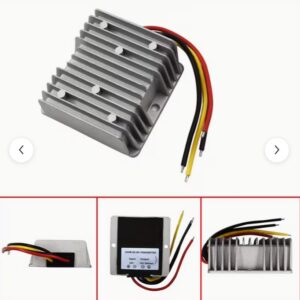
When supply voltage falls below the usable operating point, current falls and gas output drops. When voltage rises too far, current can climb beyond the intended level. That can initially look like more output, but the extra energy often becomes heat rather than productive electrolysis. The electrolyte gets hotter, water consumption increases, plate surfaces deteriorate faster and the unit may become less efficient over time.
A correctly selected regulator holds the supply in the useful range. The result is not magic. It is repeatable output from the electrical energy already available.
Not every voltage regulator will improve an electrolysis system. This is where many installations go wrong. A basic voltage regulator may hold a fixed output voltage, but the cell’s current can still rise as electrolyte temperature increases or electrolyte concentration changes.
As the cell warms up, its electrical resistance generally reduces. At the same voltage, it can draw more current. That is why a system that looks fine at startup can become overly aggressive after a long highway run. A voltage-only device may reduce charging-system swings, but it does not always prevent thermal current creep.
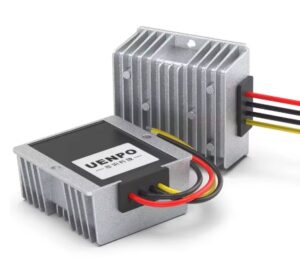
For this reason, the best power-control setup is often a current-controlled or constant-current supply, or a properly engineered controller that manages both voltage and current limits. It should be sized for the unit’s designed operating range, cable length, fuse rating and the vehicle’s electrical capacity.
A good controller does four jobs:
That combination is what produces dependable litres-per-minute gas output rather than a figure that changes from cold start to hot operating temperature.
Many operators test an electrolysis unit with a quick current reading, then assume the number tells the whole story. It does not. A high amp draw can mean strong gas production, but it can also mean excessive heat, poor cell efficiency or a concentration level that is too aggressive.
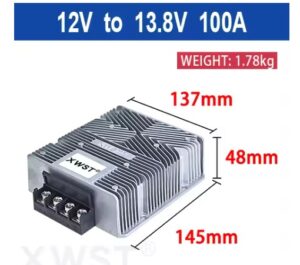
The useful measurement is sustained output at operating temperature. Measure the system after it has run long enough to stabilise, not only in the first few minutes. Check current, voltage at the cell terminals, electrolyte temperature and gas production together.
If the unit is supplied by 14.4 volts at the battery but only receives 12.9 volts at the cell because of wiring loss, a regulator mounted close to the supply will not solve the whole problem. The cable, fuse holder, relay, connectors and earth return all need to be up to the job. Voltage should be checked at the electrolysis unit itself.
The temptation is obvious: raise voltage, pull more amps and make more gas. That approach can damage a cell quickly.
Each individual electrolysis cell has an efficient voltage range. Once the required electrochemical reaction is supported, additional voltage increasingly turns into heat. In a multi-cell dry cell, the total supply voltage is divided across the cell gaps. Plate count and cell configuration therefore determine whether a 12-14 volt vehicle system is appropriately matched.
If there are too few cells for the supply voltage, each gap sees excessive voltage. The unit can draw heavy current, run hot and consume water rapidly. If there are too many cells, the voltage per gap may be too low and gas production will be weak. A regulator cannot correct a badly matched cell design. It can only control the power delivered to a correctly designed system.
The practical target is the highest stable gas output the unit can sustain without excessive temperature, runaway current or needless electrical load. For fleet vehicles, generators, marine engines and hard-working 4WD applications, sustained efficiency matters far more than a short burst of impressive amp draw.
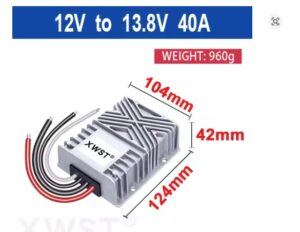
A regulator can increase output when the unregulated supply was previously too low, too variable or being lost through poor wiring. It can also maintain output by stopping the cell from drifting outside its optimum operating range. That consistency is valuable because engine operating conditions are never fixed.
At idle, alternator output may be lower. Under load, system voltage can change. On a hot day, the cell and electrolyte behave differently from a cold morning. A controlled power supply helps keep the HHO system predictable across those conditions.
For vehicle owners chasing fuel savings, the point is not simply to generate the maximum possible gas. The goal is a system that contributes a controlled hydrogen stream without creating an unnecessary alternator load. Every amp drawn by the electrolysis unit ultimately has to be supplied by the engine through the alternator. If the electrical load is excessive, any combustion benefit can be offset by the mechanical power needed to generate that electricity.
That is why properly engineered HHO installations focus on balance: correct cell size, correct plate configuration, suitable electrolyte, accurate current control and sound wiring. Hydrogen Fuel Systems kits are intended to be selected around the application, whether it is a passenger vehicle, ute, truck, generator or marine engine, rather than treating every engine as the same job.
Start with the unit specification. Find the recommended operating current range and the expected gas output at that range. If that information is missing, do not guess by winding voltage up until the cell bubbles harder.
Next, assess the vehicle charging system. Check alternator capacity, battery condition and the electrical loads already fitted. A work ute with driving lights, fridge, inverter and electric brake controller has a different electrical budget from a lightly equipped passenger car.
Then inspect the installation path. Use appropriate cable size, a correctly rated fuse close to the battery, secure terminals and a clean earth point. A relay triggered by ignition power helps ensure the electrolysis unit is not operating with the engine off. Poor connections are not a small issue – they create resistance, heat and unreliable voltage at the cell.
Finally, tune with measurements. Record voltage at the cell, current draw and electrolyte temperature from cold start through to normal operating temperature. If current climbs substantially as the system heats, a current-limiting controller is usually more useful than a fixed voltage regulator alone.
Voltage regulation increases electrolysis output when it removes the electrical instability that was holding the cell back. It also protects output over time by preventing overheating and excessive current from shortening the life of plates, seals and electrical components.
Set the system up for sustained, measured performance, not the biggest number on an ammeter. A well-matched regulator and power-control strategy gives your electrolysis unit the stable supply it needs to keep producing when the engine is working, the fuel bill is climbing and reliability matters most.
by Gavan Knox MSc, BSc, BEd, Inventor
WhatsApp call +61 403177183
contact gavan@hfuel.com.au
https://hydrogenfuelsystems.com.au
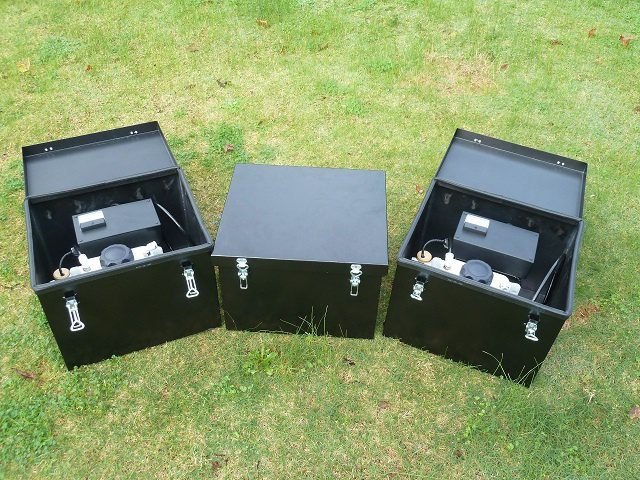
Brilliant Invention Gen 20 Hydrogen Generator ---(update Feb 7... Full Story

by Gavan Knox HFS whats app +61 403177183 gavan@hfuel.com.au... Full Story
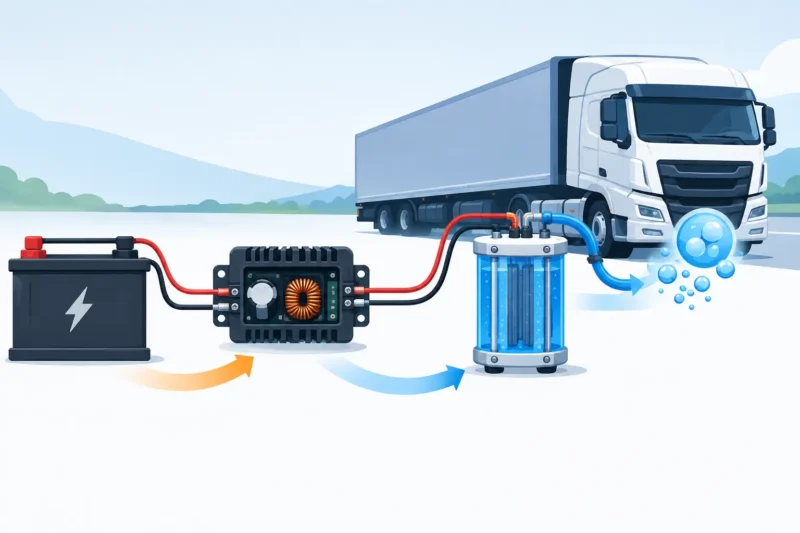
How 24V-to-13.8V Buck Configuration Regulators Affect HHO generation in... Full Story
A diesel that is smoking, using more fuel or... Full Story

How Do DC-DC Boost Regulators Affect Hydrogen Gas Production?... Full Story
Payment Methods Partner:

© 2023 - Hydrogenfuelsystems pty ltd