Brilliant Invention Gen 20 Hydrogen Generator July 2 2026
Brilliant Invention Gen 20 Hydrogen Generator ---(update Feb 7... Full Story


by Gavan Knox MSc, BSc, BEd, Inventor
WhatsApp call +61 403177183
contact gavan@hfuel.com.au
https://hydrogenfuelsystems.com.au
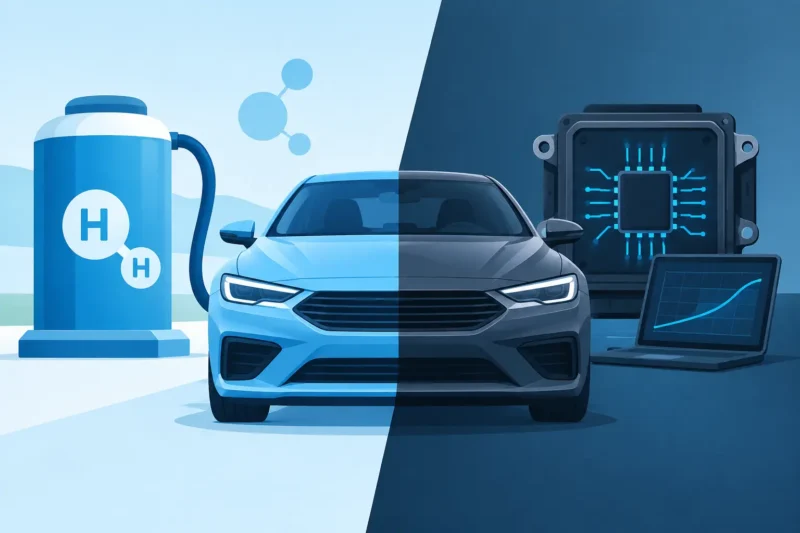
Hydrogen Assist Versus ECU Remapping: Which Wins? A loaded ute climbing with tools in the tray, a prime mover pulling long kilometres, or a generator running all day has one thing in common: every extra litre of fuel costs real money. The hydrogen assist versus ECU remapping decision is not about chasing a flashy modification. It is about choosing the right way to improve how an internal combustion engine performs, consumes fuel and handles its workload.
Both upgrades can change the driving experience. Both can be worthwhile in the right application. But they work in completely different ways, carry different risks, and suit different goals. If your priority is stronger peak output, ECU remapping may be the direct path. If you want to support combustion efficiency while retaining the factory calibration, hydrogen assist deserves serious attention.
An ECU remap changes software inside the engine control unit. Depending on the vehicle, a tuner may alter fuel delivery, boost pressure, torque limits, throttle response, injection timing and other calibration tables. The aim is usually straightforward: make more power and torque, often by using more of the engine’s available operating margin.
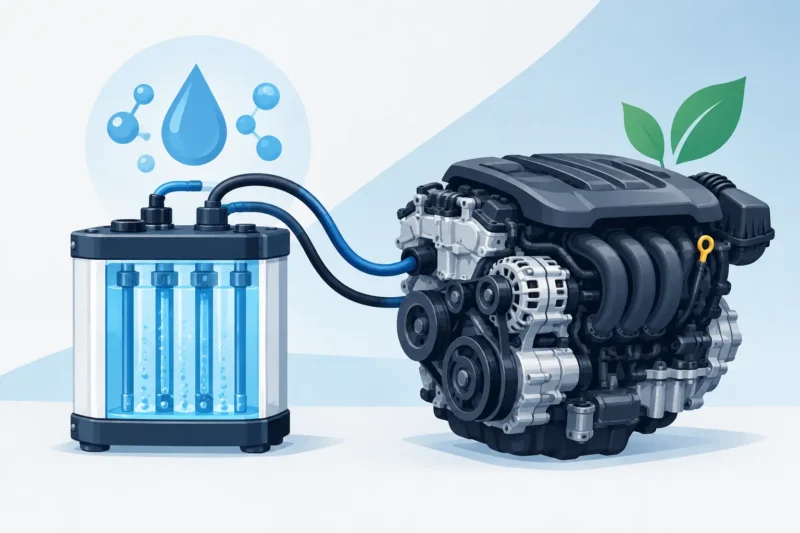
Hydrogen assist takes a different route. An on-board hydrogen generator uses electrical power to produce a controlled hydrogen and oxygen gas supply, commonly called HHO. That gas is introduced into the intake stream to support a faster, more complete combustion event. It does not replace the vehicle’s main fuel supply. It is a combustion enhancement system designed to work alongside diesel or petrol.
That distinction matters. A remap tells the engine to behave differently. A hydrogen assist system is intended to improve the quality of combustion without rewriting the vehicle’s factory ECU strategy.

For drivers who want immediate throttle response and a noticeable power increase, a quality ECU remap can deliver a strong result. Turbo-diesel utes, 4WDs and light trucks often feel more willing under acceleration after a conservative tune. For towing, the added mid-range torque can reduce gear hunting and make hills less of a chore.
A remap can also be tailored. A reputable calibrator may set up a towing map, an economy-focused map or a performance map. That flexibility is appealing when a vehicle has a predictable job and is maintained properly.
The trade-off is that more output creates more load. Extra boost and fuelling can increase cylinder pressure, exhaust gas temperatures and demand on the turbocharger, transmission, cooling system and clutch. On a vehicle already working near its limit, an aggressive tune can turn a small weakness into an expensive repair.
Fuel economy claims around remapping also need a hard look. A mild economy tune may improve consumption when the driver maintains the same load and driving style. But many drivers use the extra performance more often. More throttle, more boost and quicker acceleration can easily consume the theoretical saving.
Hydrogen assist is often a better fit for operators looking beyond maximum peak power. A well-matched system is aimed at making each combustion cycle more efficient, which can support fuel economy, smoother running and lower exhaust emissions under real working conditions.
That is particularly relevant for engines that spend long hours under steady or repeated load: delivery vehicles, trades utes, 4WD tourers, trucks, marine engines and generators. These machines are not always chasing a dyno number. They are burning fuel every day, often with weight on board, and the operating cost is what matters.
Because the ECU remains in its original state, hydrogen assist can appeal to owners who do not want their factory calibration altered. It can also be paired with sound maintenance practices such as clean filters, correct tyre pressures, quality fuel and servicing on schedule. There is no magic part that overrides neglected maintenance. But improving combustion efficiency on a healthy engine can be a practical part of reducing running costs.
Hydrogen Fuel Systems supplies generator sizes from Gen 10 through to Gen 25 for different engine capacities and applications. Correct sizing is not optional. A small passenger vehicle, a hard-working diesel 4WD and a large generator have completely different airflow, electrical and installation requirements.
The biggest mistake in this comparison is expecting one universal percentage. Fuel use changes with load, terrain, idle time, tyre pressure, driver behaviour, maintenance condition, fuel quality and weather. A claimed saving without a consistent test method tells you very little.
For a fair assessment, measure fuel consumption before and after an upgrade over comparable work. Record kilometres, litres, payload, towing load, route type and idle hours where relevant. For generators and marine engines, track litres per operating hour under a similar load. Fleet operators should use enough data to rule out one unusually good or bad week.
ECU remapping may produce an economy improvement when it reduces throttle demand for a regular task. Hydrogen assist may show its strongest value where the engine runs for extended periods and combustion quality has a direct effect on fuel burn. The result depends on the engine, the application and whether the system has been installed and configured correctly.
If fuel savings are the primary reason for modifying a vehicle, do not buy on a promise alone. Ask for application-specific evidence, installation information and a clear explanation of how results were measured.
A remap generally wins the headline power contest. Software changes can create a large, obvious increase in torque, especially on turbo-diesel engines. For an owner who wants faster response and stronger overtaking performance, that can be compelling.
Hydrogen assist is not normally selected to deliver a dramatic dyno spike. Its performance benefit is more likely to be felt as cleaner, smoother combustion and a more responsive engine under load. Some operators report improved pulling behaviour, but expectations must match the technology. It is an efficiency-focused enhancement, not a substitute for major mechanical upgrades or a performance tune.
There is also a practical question: how much power do you actually need? A work vehicle that already pulls confidently but costs too much at the bowser may benefit more from an efficiency strategy than another jump in peak torque.
No modification is risk-free. The quality of the product, installation and operator discipline matter more than marketing language.
With ECU remapping, the risk rises with the aggressiveness of the tune. A conservative calibration from a capable tuner is not the same as a generic file loaded without checking engine condition, transmission limits or exhaust temperatures. Vehicle manufacturers may also identify ECU changes, and warranty implications should be checked before proceeding.
With hydrogen assist, installation quality is critical. The system must be correctly sized, securely mounted, properly wired and protected with suitable components. Gas delivery, electrical supply and safety hardware must be installed according to the system documentation. Poor workmanship has no place under a bonnet, particularly on a vehicle that tows, travels remotely or runs commercially.
Australian road rules, emissions requirements and insurer conditions can vary by state, vehicle type and modification. Before fitting either system, check the requirements that apply to your vehicle and tell your insurer. Commercial operators should also consider workplace safety obligations and fleet maintenance procedures.
In some cases, yes. A carefully calibrated, conservative ECU remap and a properly installed hydrogen assist system can be used together. But this is not a shortcut to unlimited power or guaranteed fuel savings.
Combining modifications requires a disciplined approach. Start with a mechanically sound engine. Fit one upgrade at a time. Establish baseline fuel and performance data. Then monitor results, including fault codes, exhaust temperatures where applicable and actual consumption. If the vehicle is used for heavy towing or commercial work, choose reliability over bragging rights every time.
An aggressive tune combined with extra combustion enhancement is not a set-and-forget experiment. The more variables introduced, the more important professional assessment and ongoing monitoring become.

Choose ECU remapping when your main goal is stronger acceleration, more towing torque and sharper response, and you are prepared to manage the added mechanical and warranty considerations. Keep the tune conservative if the vehicle is a daily workhorse rather than a weekend toy.
Choose hydrogen assist when fuel efficiency, combustion quality and long-duration operating costs are your main targets. It is especially worth considering for fleets, generators, marine applications and high-kilometre diesel or petrol vehicles where even a measured reduction in fuel use can add up quickly.

For many Australian operators, the best first move is not the modification with the loudest claim. It is the one that matches the machine’s actual job, is installed properly, and can prove its value litre by litre over the kilometres ahead.
by Gavan Knox MSc, BSc, BEd, Inventor
WhatsApp call +61 403177183
contact gavan@hfuel.com.au
https://hydrogenfuelsystems.com.au
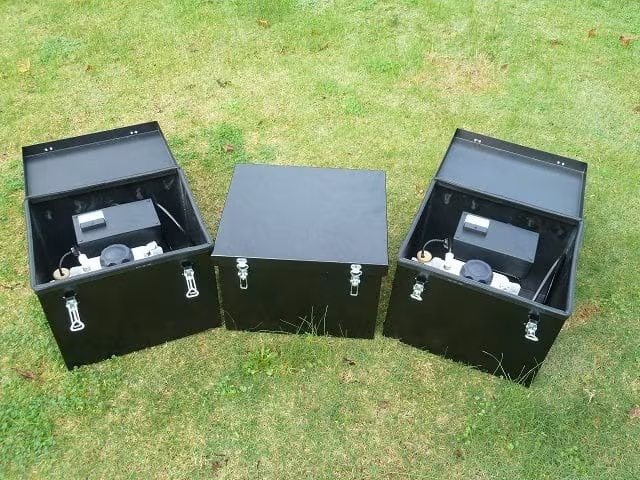
Brilliant Invention Gen 20 Hydrogen Generator ---(update Feb 7... Full Story
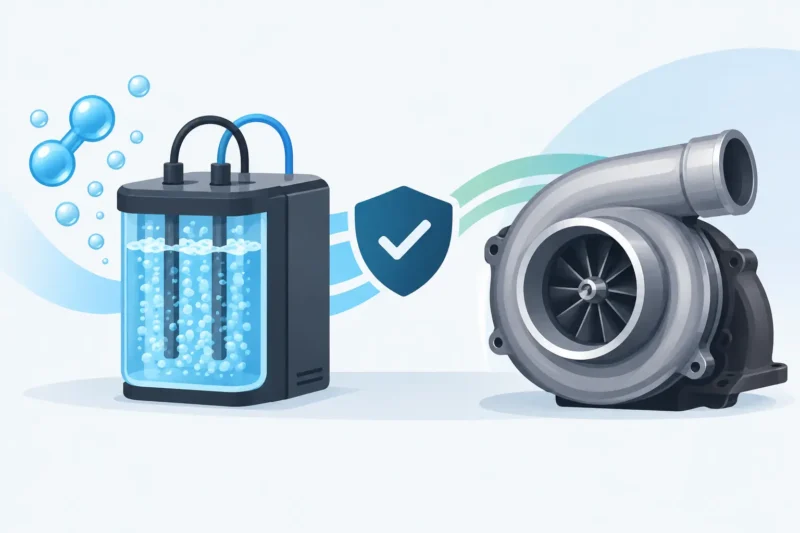
Will HHO Affect Turbochargers? Facts That Matter - Nov... Full Story
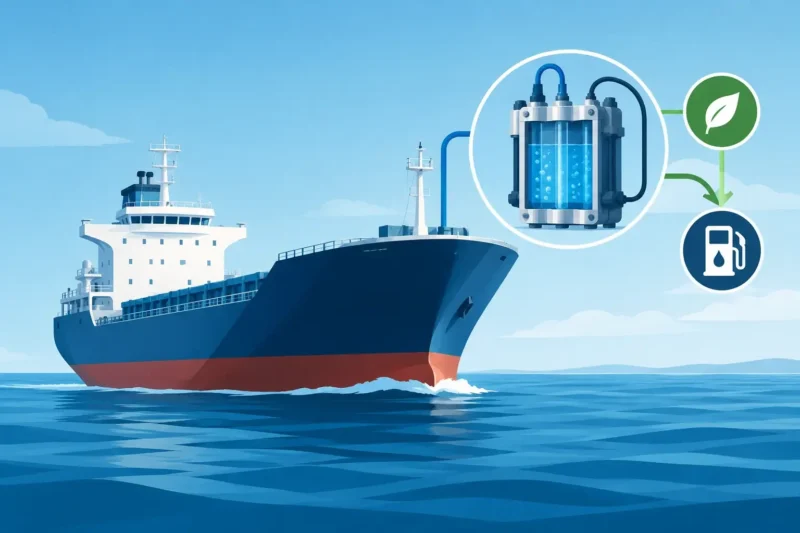
Marine Vessel HHO Fuel Trial for Real Fuel Savings... Full Story
HHO Kits That Make Hard-Working Engines Work - Nov... Full Story
Payment Methods Partner:

© 2026 Hydrogen Fuel Systems Pty Ltd