Brilliant Invention Gen 20 Hydrogen Generator July 2 2026
Brilliant Invention Gen 20 Hydrogen Generator ---(update Feb 7... Full Story


by Gavan Knox MSc, BSc, BEd, Inventor
WhatsApp call +61 403177183
contact gavan@hfuel.com.au
https://hydrogenfuelsystems.com.au
Hydrogen Distributor Guide for Australian Workshops- Nov 10. A hydrogen distributor guide is not about filling a shelf with generic parts and hoping for enquiries. It is about selling a practical engine-efficiency solution to customers who already feel fuel costs every time they fill a truck, ute, boat, generator or 4WD. The best distributors build their business around correct system selection, credible documentation and installation support that produces confident customers.
For Australian workshops, fleet suppliers and automotive resellers, HHO systems can open a serious aftermarket category. But the opportunity only works when you treat it as a technical product line, not a quick counter sale. Customers want proof, fitment advice and a clear explanation of what an on-board hydrogen generator does for their particular engine.
A hydrogen distributor sells more than a generator kit. You are selling a combustion-efficiency upgrade backed by the right components, the right installation method and ongoing technical confidence.
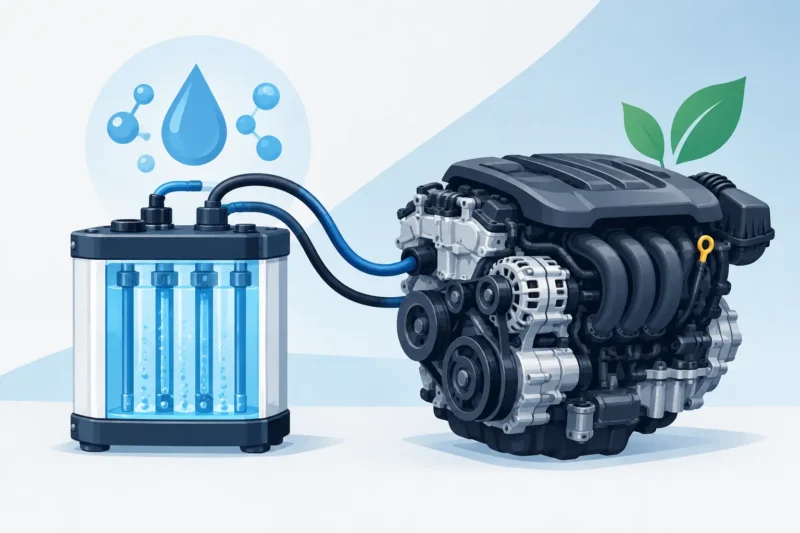
An HHO system generates hydrogen and oxygen on board, then introduces the gas into the engine intake system. The objective is to support a cleaner, more complete fuel burn. For the customer, the commercial conversation is straightforward: lower operating costs, stronger engine response, reduced exhaust emissions and less carbon build-up can all matter when a vehicle or machine works hard every day.
The exact result depends on the engine, load, driving pattern, installation quality and the condition of the vehicle. A highway truck on consistent routes is a different proposition from a lightly used suburban car. A diesel generator with long run hours can be an excellent candidate, while a poorly maintained engine should be repaired before any efficiency upgrade is fitted.
That is why distributors who understand the application win the sale. They do not promise one number to every customer. They identify the fuel burn, the duty cycle and the likely payback period, then recommend a system that suits the job.
The fastest route to distributor sales is targeting operators who can see the cost of fuel in black and white. A customer spending heavily every week does not need a lecture on theory. They need a credible path to reduce litres consumed and protect the engine they rely on.
Strong prospects include owner-drivers, transport fleets, tradies running diesel utes, agricultural operators, marine users, off-road enthusiasts and businesses operating standby or prime-power generators. These customers understand that a small percentage improvement across high annual fuel use can have a meaningful commercial effect.
Ask practical questions before recommending anything. What engine is fitted? Is it diesel or petrol? What is the vehicle’s typical load? Does it spend most of its time on the highway, idling, towing, in stop-start traffic or under a steady generator load? How many kilometres or operating hours does it complete each year? Has the customer kept fuel records?
Fuel records are especially valuable. They establish a baseline and give the customer a fair way to measure results after installation. This turns the sale from vague claims into an operational discussion based on litres, hours and dollars.
Correct sizing protects your reputation. A system that is too small for the engine application may not deliver the outcome the customer expects. A system selected without considering mounting space, electrical supply, intake layout and operating conditions can create installation headaches that should never have occurred.
A capable distributor should be able to match the system size to the engine and application. Product ranges such as Gen 10, Gen 15, Gen 20 and Gen 25 exist because a passenger vehicle, a working ute, a heavy truck and a large stationary engine do not have the same requirements.
Fitment planning should cover the generator location, reservoir access, hose routing, wiring protection, fuse requirements, relay and ignition switching, air intake connection and mounting strength. On 4WDs, marine applications and commercial vehicles, vibration, water exposure, heat and available space need extra attention.
Do not treat the electrical side as an afterthought. A quality installation needs clean power supply connections, proper cable sizing, protected wiring and components mounted away from excessive heat and moving parts. A neat, serviceable installation is easier to inspect, easier to support and far more likely to generate referrals.
The profitable sale is rarely just the generator. Customers also need the correct power supply components, filters, fittings, hoses, wiring hardware and consumables. Workshops may require installation instructions and technical documentation so technicians can complete the job consistently.
Carry the parts that keep installations moving. A distributor who can solve a missing fitting, replacement filter or service question quickly becomes the supplier customers return to. A distributor who sells a box and disappears invites complaints, lost confidence and missed repeat revenue.
Hydrogen enhancement attracts interest because the benefits are commercially attractive. It also attracts scepticism because the market has seen plenty of poorly explained products. The answer is not louder claims. The answer is better evidence.
Use documented product specifications, patent information, certification documents, test reports, installation manuals and real application examples. If you present expected fuel savings, explain that results vary with the engine and operating conditions. Show customers how to track consumption over a meaningful period rather than judging the system from one short trip or one tank of fuel.
For fleet customers, recommend a simple before-and-after process. Record kilometres travelled or operating hours, litres purchased, average load and route type. Keep the comparison fair. Do not compare a fully loaded run in peak summer with an empty winter return trip and call it a result.
This disciplined approach helps separate serious distributors from operators relying on exaggerated promises. It also gives the workshop a better case study for the next customer with a similar engine.
A customer should not have to become a hydrogen expert before they buy. Your job is to make the decision clear without oversimplifying the technical work.
Start with the fuel-cost problem. Then establish the application and fuel baseline. Recommend the appropriate kit, explain the installation requirements and outline how results will be measured. Finally, make the next step easy: book the installation, arrange the parts or provide a clear quote with the components included.
Avoid selling solely on the lowest price. Cheap, unsupported kits create costly callbacks. Position your offer around proven components, correct sizing, installation support and access to parts. This is particularly important for commercial operators, where downtime can cost more than the upgrade itself.
Hydrogen Fuel Systems supports distributors with application-focused product options, technical material and system components suited to a broad range of internal combustion engine uses. That support matters when your customer asks a specific question about an engine, a wiring setup or a replacement part.
The sale is not finished when the vehicle leaves the workshop. A short follow-up gives you the chance to confirm that the customer understands the system, is tracking fuel use properly and knows when to inspect fluid levels, filters and connections.
Encourage customers to maintain the rest of the engine as well. Clean air filters, sound injectors, correct tyre pressures, quality fuel and regular servicing all affect fuel consumption. An HHO system should be presented as part of an efficiency-minded maintenance approach, not as a substitute for repairing mechanical faults.
For workshops, after-sales support becomes a commercial advantage. Scheduled inspections can create repeat workshop traffic, while customers with verified results can become your strongest source of referrals. A fleet manager who sees a credible reduction in fuel use across a working vehicle may be ready to trial another unit, then standardise the upgrade across suitable assets.
A professional distributor is direct about where hydrogen systems fit and where they do not. Never advise customers to interfere with required emissions equipment or bypass vehicle safety systems. Ensure installations comply with applicable Australian vehicle, electrical, workplace and insurance requirements, particularly for commercial and fleet applications.
Be cautious with modified engines, vehicles still under manufacturer warranty and equipment used in regulated environments. If an application raises a compliance question, get the answer before installation. This protects the customer, the workshop and the long-term value of your distributor business.
The distributor opportunity is strongest when it is built on practical fitment, accurate records and customers who can genuinely benefit from lower fuel use. Start with one well-documented installation, support it properly and let real operating results do the selling for you.
Monday, November 9, 2026
Brilliant Invention Gen 20 Hydrogen Generator ---(update Feb 7... Full Story
Will HHO Affect Turbochargers? Facts That Matter - Nov... Full Story
Marine Vessel HHO Fuel Trial for Real Fuel Savings... Full Story
HHO Kits That Make Hard-Working Engines Work - Nov... Full Story
Payment Methods Partner:

© 2026 Hydrogen Fuel Systems Pty Ltd