Brilliant Invention Gen 20 Hydrogen Generator July 2 2026
Brilliant Invention Gen 20 Hydrogen Generator ---(update Feb 7... Full Story
Perth, West Australia




by Gavan Knox MSc, BSc, BEd.
WhatsApp call +61 403177183
contact gavan@hfuel.com.au
https://hydrogenfuelsystems.com.au
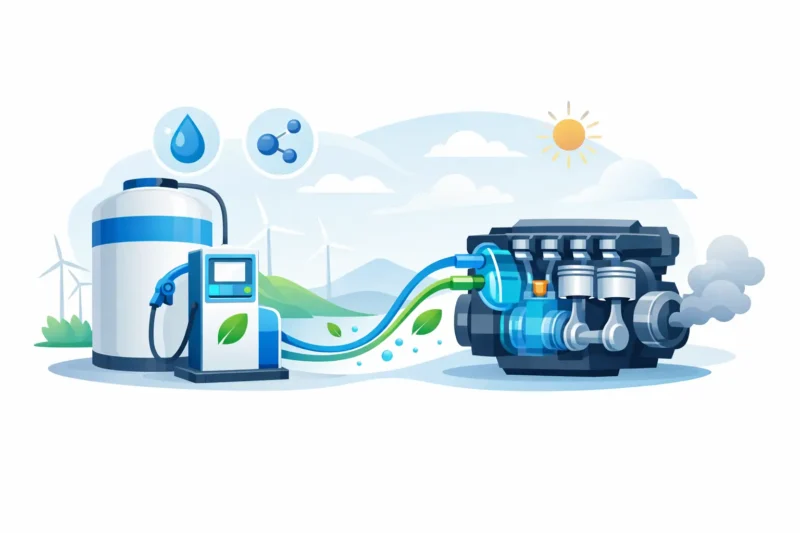
How a Hydrogen Fuel System Supports Engine Efficiency. A diesel work ute that burns thousands of dollars in fuel each year does not need another cosmetic accessory. It needs every combustion event to do more useful work. A hydrogen fuel system is built around that practical objective: generating a controlled hydrogen and oxygen gas mix on board, then introducing it into the engine’s intake to support more complete combustion.
For owner-drivers, fleet operators, marine users and machinery owners, the question is simple: can the system help reduce operating costs while keeping the engine responsive under load? The answer depends on the vehicle, its condition, its duty cycle and whether the kit is sized and installed correctly. This is not a magic button. It is an aftermarket combustion-enhancement system that must be matched to the job.
An HHO kit uses electrical power from the vehicle or machine to produce hydrogen and oxygen gas through electrolysis. Water and electrolyte sit inside the generator cell, while a properly configured power supply manages current draw. The generated gas passes through safety and filtration components before being fed into the air intake.
The engine is not being converted into a hydrogen vehicle. It continues to run on diesel or petrol. The on-board HHO gas is used as a combustion aid, helping the fuel charge ignite and burn more effectively. Hydrogen has a very fast flame speed, which is why even a relatively small, controlled amount can influence combustion behaviour.
When combustion is cleaner and more complete, there is less wasted fuel leaving the cylinder unburned or partially burned. That is the mechanism behind the fuel-saving, engine-response and emissions-reduction claims associated with hydrogen enhancement. The result will vary, but the operating principle is straightforward: improve the burn, improve the work extracted from each fuel cycle.
Engines working hard for a living rarely operate in laboratory conditions. A delivery van stops and starts. A 4WD tows across uneven ground. A truck climbs grades loaded. A generator runs for long shifts. A boat carries changing loads through wind, swell and current.
Under these conditions, incomplete combustion can show up as high fuel use, sluggish throttle response, smoke, carbon build-up and unnecessary wear. Modern engines have sophisticated management systems, but they still depend on air quality, fuel quality, service condition, injector performance and how the vehicle is driven.
A hydrogen fuel system is designed to complement the existing engine, not replace good maintenance. It will not repair worn injectors, a blocked air filter, a failed sensor or a turbocharger fault. Fit a kit to an engine with unresolved issues and you are measuring problems, not performance. Start with a sound mechanical baseline, then assess the system over a meaningful operating period.
Most buyers do not install an HHO system for a science experiment. They want lower fuel consumption, better torque feel, reduced visible emissions and a cleaner-running engine. For high-use vehicles and equipment, even a modest improvement in fuel efficiency can matter because the saving compounds across every kilometre or operating hour.
The strongest opportunity is usually found where fuel use is high and consistent. Long-haul vehicles, trade fleets, generators, heavy 4WDs, marine engines and machinery can provide a clearer comparison than a lightly used weekend car. The more fuel a machine consumes, the more valuable it is to understand exactly what every litre is doing.
Do not judge results from one short drive. Track fuel purchases, kilometres or engine hours, load, route, idle time and driving conditions. A proper before-and-after record is more useful than a dashboard impression. Better response may be felt immediately, but fuel figures should be measured over enough work to separate a genuine trend from traffic, weather or a lighter load.
Generator output must suit engine capacity and workload. A system that is too small may have limited effect on a large, hard-working diesel. One that is selected without regard for electrical supply, intake layout or application requirements can create unnecessary installation complications.
Hydrogen Fuel Systems offers Gen 10, Gen 15, Gen 20 and Gen 25 configurations for different petrol and diesel applications. The right choice is based on more than engine size. Consider whether the vehicle spends its time in suburban traffic, towing, hauling, off-road work, marine use or continuous generator operation. A 3.0-litre ute that occasionally tows a trailer has different demands from a truck or a generator that runs under constant load.
Electrical capacity also matters. The alternator and charging system must be in good condition and capable of supporting the installation. Current draw, cable sizing, fusing, relay protection and switching arrangements are not optional details. They are central to a safe, reliable HHO installation.
Petrol and diesel engines have different combustion characteristics, but both can be candidates for hydrogen enhancement when the application is assessed properly. Diesel users often focus on torque, fuel use and exhaust cleanliness under load. Petrol vehicle owners may be more interested in throttle response, smoother running and improving fuel economy in daily driving.
Marine applications demand additional care. Vibration, moisture exposure, mounting position, ventilation and electrical protection all need attention. The same is true for generators and stationary plant, where long run times can make fuel use highly measurable but where installation must be engineered around safe operation and easy servicing.
For 4WD owners, a correctly selected system should suit the vehicle’s real role, whether that is touring, towing a caravan, carrying tools or negotiating remote tracks. A kit that looks impressive under the bonnet is not the goal. Dependable components, secure mounting and documented installation are what count when the nearest workshop is a long way away.
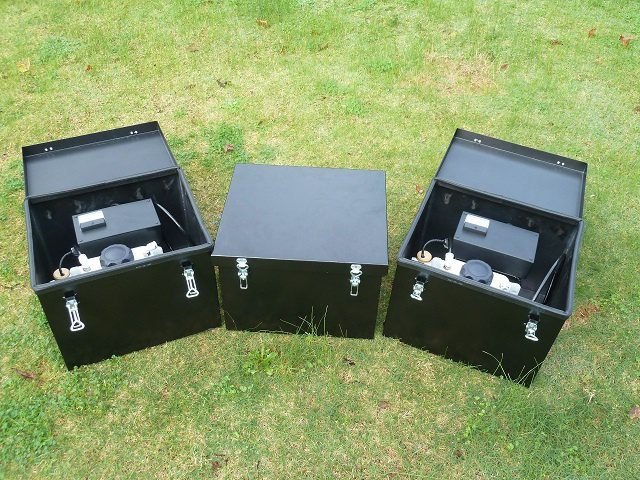
A hydrogen generator kit should never be treated as a loose collection of parts. The cell, reservoir, hoses, check valves, filters, wiring, fuse protection and intake connection all have a job to do. If one part is poorly fitted, the entire system can be compromised.
Mount the generator in a stable location away from excessive heat and moving components. Route hoses so they cannot rub, kink or sit against sharp edges. Keep wiring protected and secured, and use the specified fuse and relay arrangements. The gas path needs appropriate safeguards to prevent intake pressure or an engine event travelling back towards the generator.
Use the installation instructions supplied for the specific kit and application. If you are not confident with automotive electrical work, get an experienced installer involved. That is not a setback. It is how you protect the vehicle, preserve reliability and give the system a fair chance to perform as intended.
The best buyers are sceptical in the right way. They ask for technical documentation, component specifications, test material and evidence relevant to their application. That is smarter than accepting broad claims based on a different engine, different load or different driving pattern.
Set a baseline before installation. Record at least several fuel cycles or a consistent block of engine hours. Then compare like with like after the system is installed. Do not compare a loaded run through the hills with an empty highway trip and call it a result.
Watch for changes in fuel used per 100 km, litres per operating hour, throttle response, idle quality and visible exhaust smoke where relevant. Keep servicing up to date at the same time. A clean air filter, correct tyre pressures, healthy injectors and sensible driving habits can all affect consumption, so control what you can.
Claims about fuel savings, emissions and wear reduction should be considered application-specific. Results are influenced by engine condition, operator behaviour, load, terrain, ambient temperature and installation quality. A serious supplier backs its system with clear technical information rather than asking you to rely on hype alone.
Fuel is one of the largest controllable costs in transport, trade work, agriculture, marine operation and standby power. That makes combustion efficiency worth investigating, especially when an engine is working enough hours for small gains to become meaningful dollars.
Choose a hydrogen fuel system for the job it needs to perform, fit it correctly and measure it with real operating data. When the application, installation and maintenance are right, you are not chasing a trend – you are giving every litre of fuel a better chance to earn its keep.
by Gavan Knox MSc, BSc, BEd.
WhatsApp call +61 403177183
contact gavan@hfuel.com.au
https://hydrogenfuelsystems.com.au
Brilliant Invention Gen 20 Hydrogen Generator ---(update Feb 7... Full Story

by Gavan Knox HFS whats app +61 403177183 gavan@hfuel.com.au... Full Story
How 24V-to-13.8V Buck Configuration Regulators Affect HHO generation in... Full Story
A diesel that is smoking, using more fuel or... Full Story

How Do DC-DC Boost Regulators Affect Hydrogen Gas Production?... Full Story
Payment Methods Partner:

© 2023 - Hydrogenfuelsystems pty ltd