Brilliant Invention Gen 20 Hydrogen Generator July 2 2026
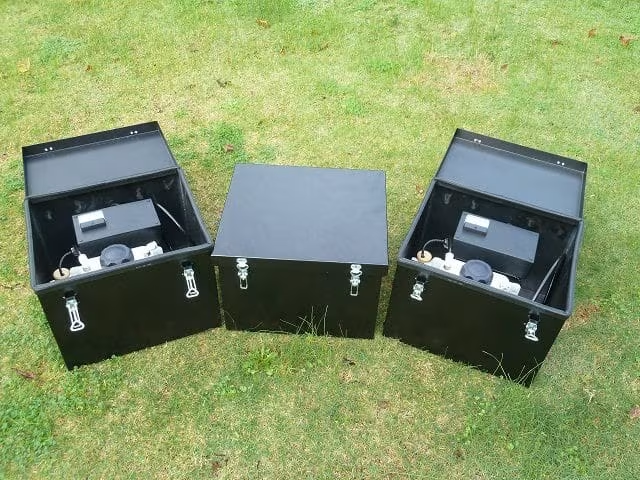
Brilliant Invention Gen 20 Hydrogen Generator ---(update Feb 7... Full Story



by Gavan Knox MSc, BSc, BEd, Inventor
WhatsApp call +61 403177183
contact gavan@hfuel.com.au
https://hydrogenfuelsystems.com.au
Hydrogen Test Report: What the Numbers Must Prove – Oct 22. Fuel claims are cheap. Measured fuel use under a stated load is what counts. A credible hydrogen test report gives vehicle owners, fleet managers and machinery operators something far more useful than a promise: evidence they can assess before fitting an HHO system to a diesel or petrol engine.
For a ute that tows, a truck that runs interstate, a boat under steady load or a generator burning fuel every day, small percentage changes can add up quickly. But only if the figures come from a test that controls the variables that actually affect consumption. A report needs to show what was tested, how it was tested, what changed and whether the result can realistically be repeated on your equipment.
The headline figure matters, but it is never the whole story. If a report states a fuel saving percentage without identifying the engine, operating conditions and calculation method, it leaves too much unanswered. You need the working behind the claim.
Start with the test subject. A useful report identifies the vehicle, engine type, capacity, fuel type, transmission, odometer reading and relevant modifications. A late-model common-rail diesel operating with a DPF and electronic engine management is not the same proposition as an older mechanical-injection diesel. Likewise, a petrol four-wheel drive used on the highway will not produce the same result as one crawling through sand with oversized tyres.
The report should then identify the hydrogen generator system fitted, including its output class, power supply arrangement and installation position. This matters because fitment quality affects performance and reliability. A system that is poorly wired, plumbed incorrectly or fitted without regard for the intake layout is not a fair representation of the technology.

Most importantly, the report must show a genuine before-and-after comparison. That means baseline fuel use recorded before installation, followed by fuel use recorded after installation across a comparable operating cycle. The calculation should be clear enough to check:
Fuel used divided by distance travelled produces litres per 100 kilometres. For fixed equipment such as pumps or generators, fuel used divided by operating hours is usually the better measure. In freight work, litres per 100 tonne-kilometres can provide an even more meaningful number because it accounts for load carried.
A stated result such as a 10 per cent reduction only means something when the starting fuel figure is shown. Reducing consumption from 20 L/100 km to 18 L/100 km is a 10 per cent result. Reducing it from 10 L/100 km to 9 L/100 km is also 10 per cent, but the dollar value per month is very different. Serious operators should always translate the percentage into litres saved, fuel dollars saved and expected payback based on their own annual usage.
Engines do not consume fuel in a vacuum. Weather, traffic, payload, road gradient, idle time, driver behaviour, tyre pressure and engine condition can all move consumption figures. A test report does not need to eliminate every real-world variable, but it must identify and manage the major ones.
For on-road testing, a credible process uses the same route where possible, similar payloads, the same driver or controlled driving method, consistent tyre pressures and repeat runs. Fuel should be measured accurately, rather than relying only on a dashboard display. Trip computers are useful operating tools, but they can be optimistic or affected by calibration.
For controlled testing, a dynamometer can measure engine output and fuel consumption at specified loads and speeds. This is particularly valuable when comparing torque, power and exhaust emissions. The trade-off is that a dyno does not replicate every part of a working day. Road testing shows operational use, while dyno testing provides tighter control. The strongest evidence often uses both where the application justifies it.
Marine and stationary-engine reports need the same discipline. A marine engine should be tested at stated RPM, vessel load, water conditions and propeller configuration. A generator test should state electrical load, run time, ambient temperature and fuel measurement method. Without those details, comparing one test result with another becomes guesswork.
An HHO system is fitted to support improved combustion characteristics by introducing on-board generated hydrogen and oxygen into the intake process. The commercial question is simple: does the engine produce the required work while using less fuel, or deliver stronger response under the same fuel demand?
A quality report may also record torque and power, especially for working vehicles that haul, tow or operate under sustained load. Improved low-end response can have practical value for a loaded 4WD, work ute or truck, but the claim needs to be measured and clearly presented. Peak horsepower alone is not always the most useful result. Torque across the normal operating range may matter more to an owner-driver climbing grades with a load on board.
Exhaust emissions are another important part of the picture. Reports may measure hydrocarbons, carbon monoxide, carbon dioxide, oxygen, opacity or particulate-related readings, depending on the engine and test equipment. Cleaner combustion outcomes can be operationally relevant, but emission results must be tied to the testing method and the engine’s operating condition.
Do not confuse a test result with automatic regulatory approval. Australian roadworthiness, emissions and modification requirements vary by vehicle type, state and intended use. Fleet operators should also consider warranty conditions, workplace requirements and their own maintenance policies before making changes to vehicles or machinery.
A persuasive report will make the result easy to see. A trustworthy report will also make it possible to challenge. Look for dates, test location, equipment used, ambient conditions, operator details and raw readings. Ask whether the vehicle had been serviced, whether fault codes were present and whether any other changes were made between the baseline and post-install test.
Be cautious when a report gives only a single impressive number. One run can be affected by wind, traffic, fuel fill variation or a driver unconsciously changing throttle inputs. Repeat tests give greater confidence. So does a result that falls within a sensible range over time rather than promising one fixed saving for every engine in every application.
It also pays to look at the fuel saving calculation in dollars. If diesel is $2.00 per litre, a vehicle travelling 50,000 km each year at 15 L/100 km uses about 7,500 litres annually. A measured 10 per cent reduction represents 750 litres, or approximately $1,500 per year before considering the cost of the system and installation. For high-use vehicles, generators and commercial equipment, that is why evidence matters so much.
The best hydrogen test report for a long-haul truck is not necessarily the best report for a recreational 4WD. A fleet operator should look for comparable payloads, kilometres and duty cycles. A marine operator should seek evidence from similar engine sizes and working conditions. A generator owner needs results measured by hours and electrical load, not highway kilometres.
This is where application-specific system sizing matters. A hydrogen generator must be selected and installed for the engine, available mounting space and operating demand. Bigger is not automatically better, and a generic fitment approach can undermine an otherwise sound system. The goal is a correctly matched setup that can be maintained and inspected as part of normal engine care.
Hydrogen Fuel Systems positions its Gen 10, Gen 15, Gen 20 and Gen 25 systems around different engine and application requirements. Before selecting any kit, use the test evidence as a starting point, then compare it with your fuel records, engine condition and normal workload. The more closely the test mirrors your operation, the more useful it becomes for forecasting returns.
A report should help you make a commercial decision, not just admire a percentage. Take your last three to six months of fuel receipts or telematics data and establish a baseline. Record kilometres or hours, litres used, payload where relevant and regular idle time. Then calculate what a conservative improvement would mean for your operation.
Do not budget around the highest figure you have seen. Use a realistic range, allow for installation cost and factor in routine inspection of wiring, fluid levels, filters and hoses. If the numbers still stack up under conservative assumptions, you have a decision built on operating evidence rather than hope.
Before you fit an HHO system, demand a hydrogen test report that lets you see the engine, the conditions and the maths. Your fuel bill is too large to base on vague claims, and a properly documented result gives you a far better starting point for reducing it.
by Gavan Knox MSc, BSc, BEd, Inventor
WhatsApp call +61 403177183
contact gavan@hfuel.com.au
https://hydrogenfuelsystems.com.au
Brilliant Invention Gen 20 Hydrogen Generator ---(update Feb 7... Full Story
Will HHO Affect Turbochargers? Facts That Matter - Nov... Full Story
Marine Vessel HHO Fuel Trial for Real Fuel Savings... Full Story
HHO Kits That Make Hard-Working Engines Work - Nov... Full Story
Payment Methods Partner:

© 2026 Hydrogen Fuel Systems Pty Ltd