Brilliant Invention Gen 20 Hydrogen Generator July 2 2026
Brilliant Invention Gen 20 Hydrogen Generator ---(update Feb 7... Full Story


by Gavan Knox MSc, BSc, BEd, Inventor
WhatsApp call +61 403177183
contact gavan@hfuel.com.au
https://hydrogenfuelsystems.com.au
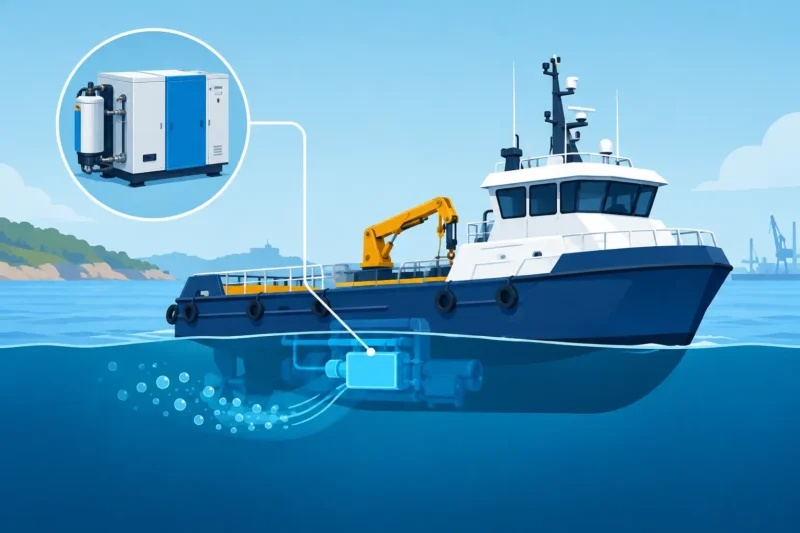
Marine HHO Application Guide for Work Boats – Nov 12. A boat engine does not get an easy life. It pushes heavy loads for long periods, often at steady RPM, while salt, vibration and heat work against every component in the engine bay. This marine HHO application guide is built for operators who want to reduce fuel burn, support cleaner combustion and protect the engine they rely on to get home.
An onboard HHO system is not a bolt-on miracle and it should never be treated as one. Correct generator sizing, sound electrical work, secure plumbing and realistic testing determine whether the installation delivers a worthwhile result. Get those foundations right and hydrogen enhancement can become a practical operating-cost tool for fishing vessels, charter boats, tenders, work boats and marine generators.
Marine applications must be sized around how the engine actually works, not simply its displacement. A ski boat that sees short bursts of high RPM needs a different approach from a cray boat, ferry or offshore work vessel running sustained loads for hours at a time.
Record the engine type, cylinder capacity, fuel type, operating RPM, average load and fuel consumption before choosing equipment. For a diesel, also identify whether the engine uses common-rail injection, electronic controls, turbocharging or exhaust after-treatment. These details affect where the system is fitted and how conservatively it should be commissioned.
The strongest candidates are usually engines with substantial annual hours and measurable fuel use. A vessel burning hundreds of litres each week gives you a meaningful baseline and a faster opportunity to assess the return. Small recreational boats can still benefit, but savings are harder to verify when run time is irregular and throttle use changes every outing.
Generator output must suit engine demand. An undersized unit may have little influence during a hard working cycle. An oversized system can create unnecessary electrical demand, consume valuable engine-bay space and complicate installation without improving the result.
Hydrogen Fuel Systems offers Gen 10, Gen 15, Gen 20 and Gen 25 configurations for different engine applications. The right selection should be based on the vessel’s engine capacity and, more importantly, operating profile. A continuously loaded marine diesel may justify a larger system than a similarly sized road vehicle that spends much of its time coasting or idling.
Electrical supply is equally critical. Confirm whether the vessel runs a 12-volt or 24-volt charging system, calculate available alternator capacity and allow for existing loads such as bilge pumps, navigation electronics, refrigeration, deck equipment and lighting. Do not assume an alternator has spare capacity because the engine starts easily. Measure charging voltage and current under realistic onboard load.
Use dedicated protection and correctly rated cable. Marine wiring must be selected and routed for heat, vibration, moisture and corrosion exposure. A voltage-controlled supply or appropriate controller helps ensure the HHO generator operates only when the engine and charging system are running as intended.
Space below deck is valuable, but mounting an HHO system wherever it fits is poor practice. The generator, reservoir, filter and electrical components need a location that stays accessible for inspection while remaining protected from direct spray, excessive heat and mechanical damage.
Choose a rigid mounting surface away from exhaust manifolds, turbochargers and moving belts. Keep the unit upright where required by its design, and use corrosion-resistant fixings with a mounting arrangement that will not fatigue under vibration. If the boat pounds through chop, flimsy brackets will not survive for long.
The installation also needs sensible ventilation. Hydrogen is extremely light and disperses quickly in open air, but any gas-producing system should be installed with care. Avoid enclosed, poorly ventilated spaces where gas could collect. Follow the equipment instructions, relevant marine electrical requirements, vessel survey obligations and insurer conditions. If there is any doubt, use a qualified marine electrician or marine mechanic.
Road-engine installation habits do not automatically transfer to a boat. Salt mist attacks terminals, hose clamps and exposed hardware. Vibration loosens fittings. Heat cycles harden hoses. A system that looks tidy on day one can become unreliable after a season if it has not been protected properly.
Use marine-grade cable protection, sealed connectors where appropriate and corrosion-resistant fasteners. Support hoses at regular intervals so they cannot rub through against a bulkhead or engine component. Keep electrical connections clear of bilge water and inspect them regularly for green corrosion, heat marks or loose terminals.
The gas line should be as short and direct as practical, with no sharp bends, kinks or areas where it can chafe. Route it away from heat sources and secure it so it cannot contact the engine, shafting, pulleys or steering equipment.
A properly configured system uses the prescribed safety components, including the correct filtering and flashback protection arrangement. These components are not optional extras. They are part of a safe, controlled installation and should be fitted in the direction and position specified for the kit.
The injection point must be chosen for even distribution and dependable sealing. On many engines, hydrogen gas is introduced into the intake path after the air filter and before the intake manifold, but the exact location depends on the engine layout, turbo arrangement and available access. Never drill, tap or modify an intake component without checking wall thickness, clearance and the risk of swarf entering the engine.
After installation, pressure-test and inspect every connection. A leaking hose, loose clamp or poorly sealed fitting turns a performance project into a maintenance problem. Recheck the entire gas path after the first few operating hours, then include it in routine servicing.
The most convincing marine result is one that can be measured. Before switching the system on, collect a baseline across several comparable runs. Record fuel added, engine hours, RPM, vessel load, route, sea state and average speed. For commercial operators, this information often already exists in logbooks or fuel records.
Then run the vessel with the HHO system active under as similar conditions as possible. One trip is not enough. Wind, tide, hull fouling, payload and skipper behaviour can move fuel figures significantly. Compare a meaningful number of operating hours and look for a consistent trend rather than chasing a single impressive reading.
Monitor engine temperature, charging voltage, smoke output, throttle response and any fault codes on electronically controlled engines. If the engine has a management system, changes should be made cautiously. The aim is improved combustion efficiency without creating a drivability, charging or compliance issue.
For some engines, gains will show first as cleaner running and reduced visible smoke under load. Others may show improved response or a reduction in fuel used for the same task. Results depend on engine condition, tuning, propeller load, maintenance history and the quality of the installation. A worn injector set, blocked air filter or fouled hull can erase the benefit of any enhancement system.
An HHO system should be inspected as part of the boat’s normal maintenance routine. Check electrolyte level where applicable, inspect hose condition, confirm electrical connections are tight and look for corrosion or evidence of leaks. Use only the recommended consumables and water quality for the system. Mineral-heavy water can contaminate cells and reduce consistent operation.
Also keep the engine itself in order. Fresh fuel filters, clean intake components, healthy injectors and correct valve and cooling-system maintenance give hydrogen enhancement the best platform to work from. There is no point fitting an efficiency system to an engine struggling with basic mechanical faults.
A marine HHO installation makes the most sense when the vessel works hard, burns enough fuel to measure and has an owner prepared to install and monitor the system properly. It is not about chasing theory. It is about reducing waste in combustion, recording the result and keeping more money available for the work that keeps your boat earning.
Wednesday, November 11, 2026
Brilliant Invention Gen 20 Hydrogen Generator ---(update Feb 7... Full Story
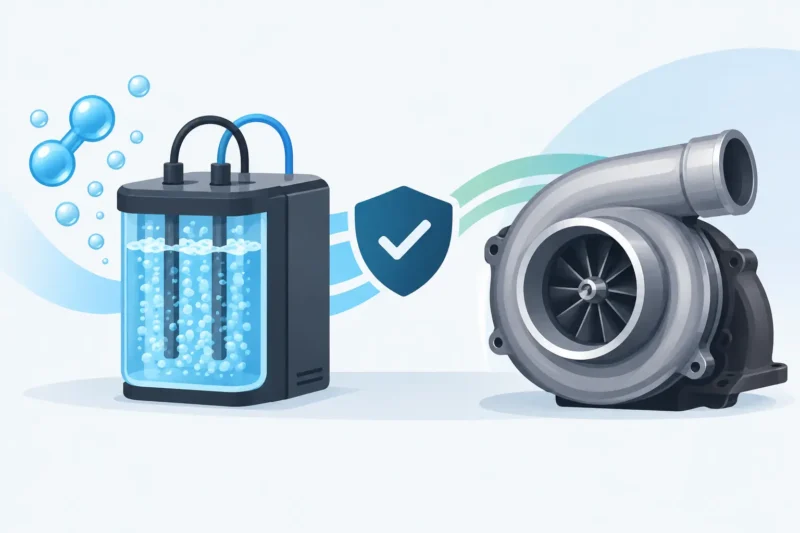
Will HHO Affect Turbochargers? Facts That Matter - Nov... Full Story
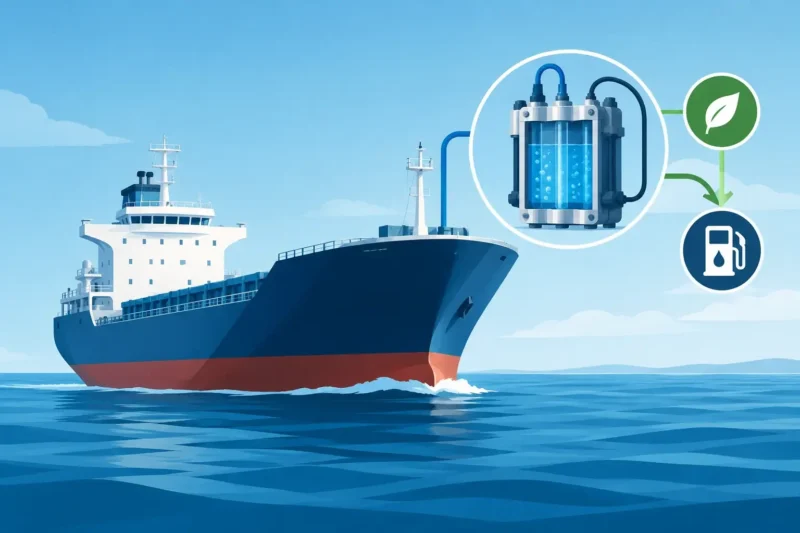
Marine Vessel HHO Fuel Trial for Real Fuel Savings... Full Story
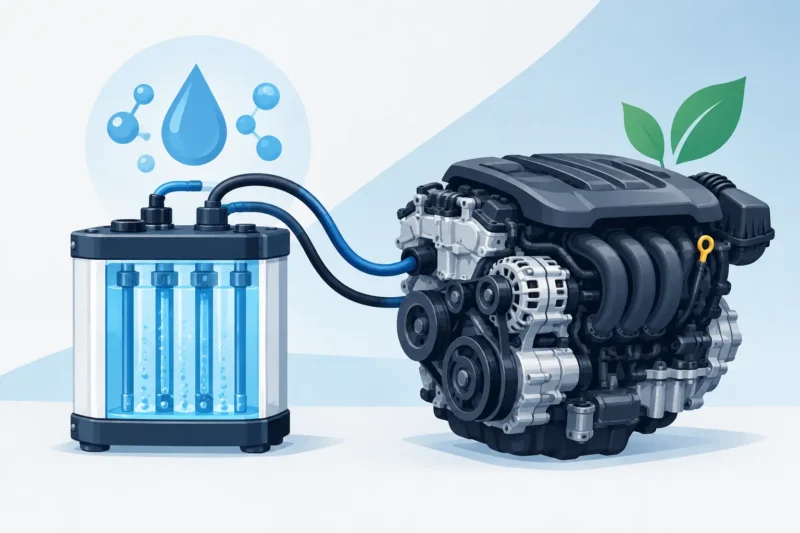
HHO Kits That Make Hard-Working Engines Work - Nov... Full Story
Payment Methods Partner:

© 2026 Hydrogen Fuel Systems Pty Ltd