Brilliant Invention Gen 20 Hydrogen Generator July 2 2026
Brilliant Invention Gen 20 Hydrogen Generator ---(update Feb 7... Full Story
Perth, West Australia




by Gavan Knox MSc, BSc, BEd, Inventor
WhatsApp call +61 403177183
contact gavan@hfuel.com.au
https://hydrogenfuelsystems.com.au
Marine HHO Example for High-Fuel-Use Boats – Oct 6. A 7-metre diesel cruiser that burns 28 litres an hour at cruise does not need vague promises. It needs a marine HHO example built around its actual fuel use, engine load, electrical system and hours on the water. That is how boat owners work out whether an on-board hydrogen generator can earn its place in the engine bay.
Marine engines spend long periods under stable load. For many vessels, that makes them a strong candidate for hydrogen-assisted combustion, provided the system is correctly sized, professionally installed and tested against a proper baseline. The objective is simple: improve combustion efficiency so the engine can do the same work with less fuel, while supporting cleaner running and reduced carbon build-up.
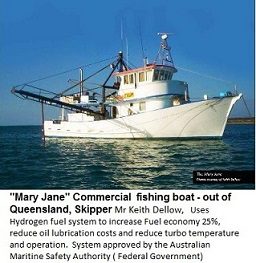
Take a hypothetical 7-metre fibreglass fishing boat with a naturally aspirated 4-cylinder diesel. It runs a 90 hp engine and typically cruises at 18 knots. The owner uses it for offshore fishing, covers 180 engine hours a year and has recorded an average fuel burn of 28 L/h at normal cruise.
Annual fuel use is therefore 5,040 litres. At a diesel price of $2.10 per litre, that boat costs $10,584 a year in fuel before marina fees, servicing, bait or trailer costs are even considered.
The operator fits a marine-rated HHO system selected for the engine’s displacement and working load. It is not simply bolted in and forgotten. The installation includes a correctly fused electrical supply, relay control, water reservoir, appropriate hose routing, gas conditioning components and a secure gas entry point at the intake. The unit is mounted away from direct spray, excessive engine heat and moving components.
After installation, the owner repeats comparable runs: same vessel loading as far as practical, clean hull, similar sea state, matched trim and the same cruise speed. The first meaningful target is not a one-off trip with a favourable tide. It is a repeatable reduction in litres per hour over multiple outings.
If measured fuel use falls by 10 per cent, consumption drops from 28 L/h to 25.2 L/h. That is a saving of 2.8 litres every operating hour. Across 180 hours, the boat uses 504 fewer litres of diesel and saves approximately $1,058 a year at $2.10 per litre.
A 15 per cent result would save 756 litres, or about $1,588 annually. Those figures show why high-hour recreational boats, charter vessels, work boats and auxiliary-powered craft deserve closer examination. The more fuel a vessel burns, the faster a genuine improvement can justify the equipment cost.
Results vary. Engine condition, propeller selection, injector health, hull fouling, load, throttle habits, weather and electrical capacity all affect the outcome. Any supplier claiming every boat will return identical numbers is not giving you a workable marine assessment. The right question is what the system achieves on your vessel, at your normal operating load.
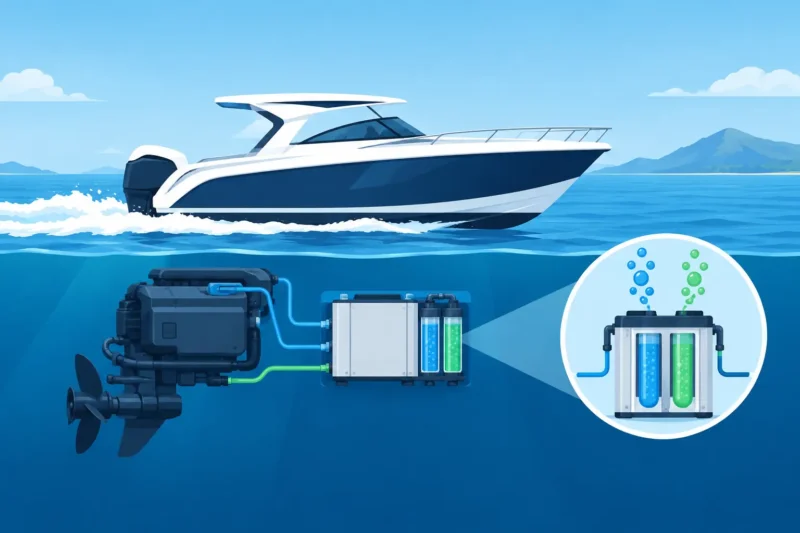
A marine HHO system operates on the same core principle as an automotive unit: electrical power drives electrolysis, producing hydrogen-rich HHO gas that is introduced in controlled quantities to the engine intake. The gas supports a faster, more complete combustion event. In a diesel engine, this can help the main fuel charge burn more effectively rather than leaving a larger proportion of unburnt fuel and soot behind.
But a boat is not a ute. It faces salt air, vibration, enclosed engine compartments, long steady-load operation and, in many cases, limited alternator reserve. A kit that is suitable on paper can become a poor choice if its electrical draw is not matched to the charging system or if installation shortcuts expose components to moisture and heat.
Start with the engine, not the sales brochure. Record the engine make, model, displacement, induction type and alternator output. Confirm whether the vessel is 12V or 24V. Then consider how the boat is used. A ski boat with short, hard bursts has a different profile from a cray boat idling for hours, and both differ again from a cruiser that runs at a steady 2,000 rpm for most of the day.
The system must be sized to deliver useful gas production without placing unreasonable demand on the vessel’s electrical system. More current draw is not automatically better. The alternator needs to replenish battery charge while continuing to support navigation electronics, pumps, lights, refrigeration, radios and other critical gear. That balance is part of a successful installation.

Marine installation quality is not optional. Use corrosion-resistant mounting hardware, protect electrical connections, fit suitable circuit protection and keep wiring clear of hot exhaust components and sharp edges. Hoses must be secured so vibration cannot rub through a line over time.
The gas path also needs to be treated seriously. A properly configured system uses safeguards designed to prevent water carry-over and manage flame-back risk. Components should be accessible for inspection but positioned away from areas likely to flood, collect bilge water or be damaged during routine servicing.
Do not compromise an engine’s original safety systems. A hydrogen enhancement system should complement a sound engine, not disguise mechanical faults. If the motor has poor compression, dirty injectors, air leaks, turbo issues or a clogged fuel system, rectify those faults first. A well-maintained engine provides a fair baseline and gives the enhancement system a real chance to perform.
The quickest way to lose confidence in a fuel-saving claim is to test it badly. Boat fuel consumption can shift dramatically with current, wind, swell, passenger numbers, ice boxes, fishing gear and hull condition. A single run proves very little.
Before fitting the system, log at least several representative trips. Record engine hours, litres added, average cruise rpm, GPS speed, route type and weather notes. If your vessel has an engine management display or fuel-flow meter, capture that information too. Fill the tank consistently, ideally at the same berth or fuel point and to the same level.
After fitting, repeat the same process over enough hours to smooth out normal variation. Compare litres per hour at a matched rpm and speed. If speed is the priority, compare fuel use at the same speed. If range is the priority, compare distance per litre. Mixing the two can produce misleading conclusions.
For a commercial operator, the strongest evidence is a simple operating spreadsheet. It can show fuel consumed per engine hour, fuel cost per trip, kilometres or nautical miles per litre, and monthly totals. This turns an opinion into a business decision.
A useful test period is often 30 to 60 operating hours, although high-hour vessels may generate a clearer picture sooner. If the boat’s usage changes seasonally, such as heavier loads during peak charter periods, note that rather than pretending every month is directly comparable.
The best candidates are not necessarily the biggest boats. They are the vessels with meaningful fuel burn and regular engine hours. A trailer boat used six times a year may still gain combustion and emissions benefits, but its financial payback will naturally take longer than a work boat operating several days each week.
Consider a 12-metre charter vessel consuming 55 L/h for 700 hours each year. Annual usage is 38,500 litres. A carefully documented 10 per cent improvement represents 3,850 litres of diesel. At $2.10 per litre, that is $8,085 retained in the business rather than burned through the exhaust.
That example also highlights the value of operational discipline. Keep the hull clean, service filters, check propeller condition, maintain correct engine temperature and monitor fuel records. HHO is not magic and it is not a substitute for maintenance. It is an enhancement system designed to help a mechanically sound engine extract more useful work from every litre.
For operators who depend on their boat, reduced fuel use is only part of the discussion. Cleaner combustion may also support lower visible smoke, less soot accumulation and a more responsive feel under load. The exact result depends on the engine and installation, which is why application-specific guidance matters.
Hydrogen Fuel Systems supplies HHO kit options and technical components for engines where fuel cost, working hours and reliable operation matter. Select the system around the vessel’s engine and electrical capacity, then measure it with the same seriousness you apply to fuel, servicing and safety checks.
The most useful next step is to pull out your last 12 months of fuel receipts and engine-hour records. Once you know what the boat truly burns, you can assess an HHO installation on hard numbers rather than guesswork.
by Gavan Knox MSc, BSc, BEd, Inventor
WhatsApp call +61 403177183
contact gavan@hfuel.com.au
https://hydrogenfuelsystems.com.au
Brilliant Invention Gen 20 Hydrogen Generator ---(update Feb 7... Full Story

by Gavan Knox HFS whats app +61 403177183 gavan@hfuel.com.au... Full Story
Marine HHO Example for High-Fuel-Use Boats - Oct 6... Full Story
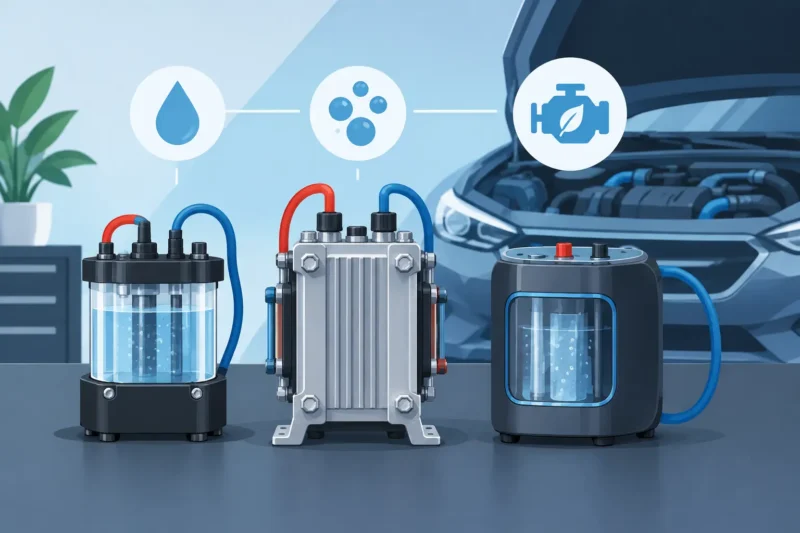
HHO Generator Comparison for Real Engine Work - Oct... Full Story
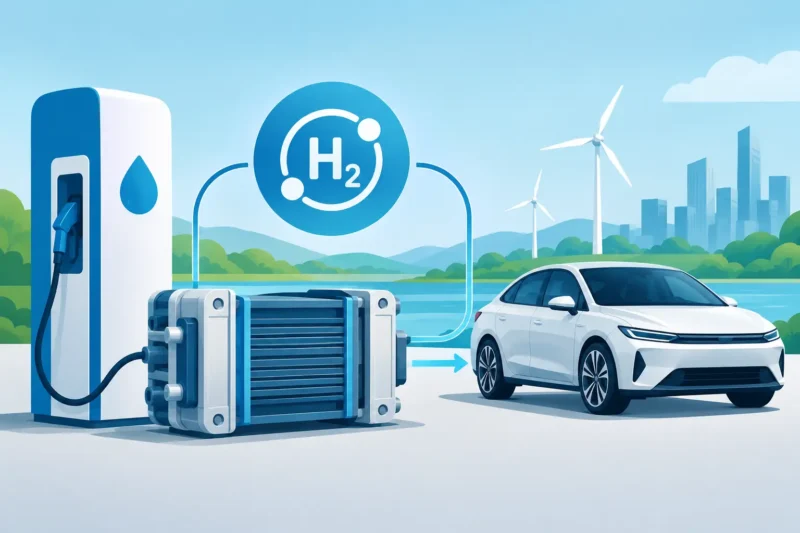
Hydrogen Cell Reviews for Real Engine Results - Oct... Full Story
Payment Methods Partner:

© 2023 - Hydrogenfuelsystems pty ltd