Brilliant Invention Gen 20 Hydrogen Generator July 2 2026
Brilliant Invention Gen 20 Hydrogen Generator ---(update Feb 7... Full Story
Perth, West Australia




by Gavan Knox MSc, BSc, BEd.
WhatsApp call +61 403177183
contact gavan@hfuel.com.au
https://hydrogenfuelsystems.com.au
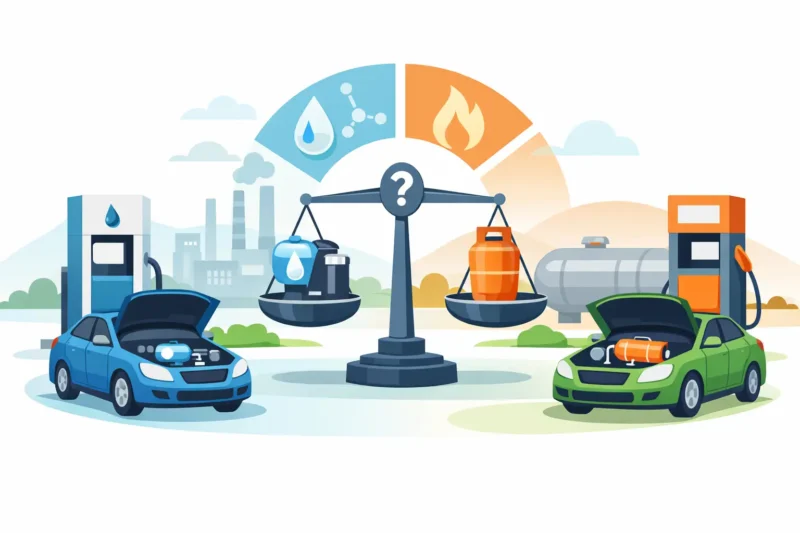
Petrol Hydrogen Kit vs LPG Conversion – Which Pays?. A petrol hydrogen kit vs LPG conversion is not a like-for-like choice. One supplements the petrol your engine already uses; the other changes the vehicle into a dual-fuel or LPG-fuelled machine. Both can target operating costs, but they affect your vehicle, installation budget, range and day-to-day use in very different ways.
For a high-kilometre ute, 4WD, work van or fleet vehicle, the right answer comes down to one question: do you want to retain petrol as your primary fuel and improve combustion efficiency, or are you prepared to add a second fuel system and live with the compromises that come with it?
An LPG conversion stores liquefied petroleum gas in a dedicated tank, then feeds it to the engine through purpose-built lines, injectors or a mixer, a converter and an electronic control system. Most petrol vehicles retain their petrol system too, allowing the driver to switch fuels or start on petrol before changing to LPG. It is a major vehicle modification.
A petrol hydrogen kit, often called an HHO kit or hydrogen generator, does not replace petrol. It generates a small volume of hydrogen and oxygen on board, using electrical power, and introduces that gas into the engine intake. The purpose is to support a cleaner, faster and more complete burn of the petrol-air charge.
That distinction matters. LPG changes what you put in the tank. Hydrogen enhancement is designed to improve how efficiently the existing fuel is burnt. If you need another fuel source because LPG is consistently cheaper and readily available on your routes, LPG may suit. If you want to keep the original petrol operating system and avoid a large storage tank conversion, a properly matched hydrogen system deserves serious consideration.
LPG conversions are substantial jobs. The installer needs to fit a tank, mount brackets, run high-pressure fuel lines, install the delivery hardware, calibrate the system and complete the required compliance process. Tank placement can take up a meaningful portion of the boot, tray or underbody space. On some vehicles, it also affects payload, spare-wheel arrangements and towing practicality.
A hydrogen kit is a more compact enhancement system. It generally includes the generator, water reservoir, electronics, wiring protection, hose, fittings and intake connection. Correct installation still matters. The unit must be sized to the engine, mounted securely, wired correctly and maintained with clean distilled water and suitable electrolyte where required. A sloppy install is not a saving.
The practical advantage is that the petrol tank, factory fuel system and cabin or boot space can remain largely as they are. For a tradie who uses every centimetre of a ute tray, or a 4WD owner who already carries recovery gear, camping equipment and a long-range tank, that can be a deciding factor.
Do not choose solely on the kit price. Price the complete result: hardware, installation labour, compliance, lost carrying capacity, servicing, expected kilometres and the cost of fuel where the vehicle actually operates.
LPG has traditionally appealed because its per-litre price can be lower than petrol. But litres are not equal. LPG contains less energy per litre than petrol, so an LPG vehicle commonly uses more litres to cover the same distance. The real calculation is cost per 100 km, not the number on the bowser.
LPG economics also depend on availability. Metro drivers may find it easy to refuel, while regional operators, touring 4WD owners and drivers on changing routes need to check their regular stations before committing. An inexpensive fuel is no bargain if it forces detours, limits routes or leaves a vehicle dependent on petrol anyway.
Hydrogen enhancement keeps the vehicle on petrol, so the range and refuelling routine stay familiar. Savings depend on the engine’s condition, engine size, load, driving style, tune and installation quality. A lightly used hatchback that only does short suburban trips has a very different opportunity from a loaded work ute travelling 800 km a week.
This is where fleet operators should get disciplined. Record kilometres, litres, idling time, payload and route type before fitting any fuel-saving technology. Then measure the same figures over a meaningful period afterwards. One tank is not proof. Several weeks of comparable work is far more useful.
A well-calibrated LPG conversion can deliver dependable driveability, but power outcomes vary by engine and system type. Older mixer-style setups can be more noticeable in their effect on performance than modern sequential vapour injection systems. LPG tuning is not set-and-forget either. Poor calibration can create hesitation, hard starting, backfires or loss of power.
Hydrogen systems are selected by engine capacity and application. The goal is not to turn a petrol engine into a rocket ship. It is to improve combustion characteristics, helping the engine burn its existing fuel charge more effectively. Drivers commonly focus on throttle response, smoother running and improved pulling performance under load alongside the potential fuel benefit.
The engine must be healthy first. A worn ignition system, blocked air filter, vacuum leak, failing oxygen sensor, dirty injectors or neglected servicing can destroy economy before any conversion has a chance to prove itself. Fix the underlying fault. Then assess the upgrade.
For heavy-use vehicles, the stronger case is often operational consistency. If an engine works cleaner and more efficiently under repeatable load, the potential benefit is multiplied across every trip, not just noticed on a quick run around the block.
LPG tank location is a real-world trade-off. A boot-mounted tank can reduce luggage capacity. An underbody tank may affect ground clearance or take the place of a spare wheel. In a van, wagon or 4WD, that lost space can be more valuable than it first appears.
There is also the question of vehicle age and resale. Some buyers actively want LPG because of their fuel costs. Others see an older conversion as another system to inspect, certify and service. Tank inspection requirements and the age of the conversion can influence the conversation at sale time.
A compact hydrogen enhancement system has less impact on the vehicle’s usable storage area. It is also not reliant on finding LPG while travelling through regional Australia. That said, buyers should keep installation records, component details and maintenance information. Documentation gives the next owner confidence that the system was fitted professionally rather than improvised in a shed.
Any fuel-system modification must be approached properly. LPG systems involve pressurised fuel storage and are subject to Australian requirements that can vary by state or territory. Use a qualified installer, obtain the relevant compliance documentation and tell your insurer about the modification.
The same disciplined approach applies to hydrogen generator kits. Electrical protection, secure mounting, correct hose routing, leak-free connections and suitable intake integration are essential. Check applicable modification rules, insurance requirements and manufacturer warranty implications before installation. If a supplier cannot provide clear installation instructions, technical specifications and supporting documentation, walk away.
This is not paperwork for paperwork’s sake. A correctly installed system protects the vehicle, the driver and the value of the investment. It also gives fleet managers something they can audit instead of relying on verbal assurances.
Choose LPG when your vehicle has predictable access to LPG, you are comfortable with the tank and conversion hardware, and your cost-per-kilometre figures support the larger upfront change. It can be a sensible answer for specific high-use applications, particularly where fuel supply is reliable and the vehicle layout can absorb the tank.
Choose hydrogen enhancement when retaining petrol range, vehicle space and the original fuel architecture matters, while you want to target combustion efficiency and operating costs. It is particularly relevant for owners who cover serious kilometres, tow, carry tools or run equipment where every litre and every usable storage space counts.
Hydrogen Fuel Systems offers application-sized Gen 10, Gen 15, Gen 20 and Gen 25 systems for different engine and workload requirements, backed by installation material and technical documentation. Match the system to the engine and the job, not simply to the biggest claim on a box.
Before spending a dollar, build a baseline from your actual fuel receipts and kilometres. Then choose the option that improves your numbers without making the vehicle less useful for the work you need it to do.
by Gavan Knox MSc, BSc, BEd.
WhatsApp call +61 403177183
contact gavan@hfuel.com.au
https://hydrogenfuelsystems.com.au
Brilliant Invention Gen 20 Hydrogen Generator ---(update Feb 7... Full Story

by Gavan Knox HFS whats app +61 403177183 gavan@hfuel.com.au... Full Story
How 24V-to-13.8V Buck Configuration Regulators Affect HHO generation in... Full Story
A diesel that is smoking, using more fuel or... Full Story
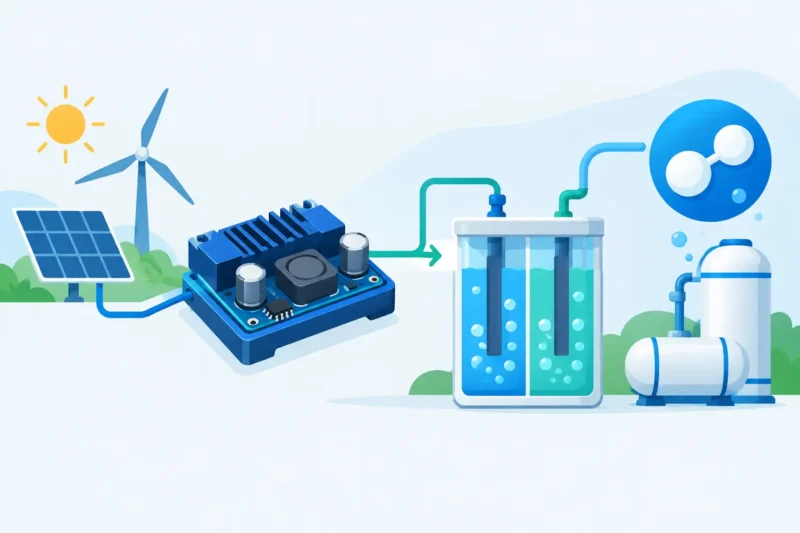
How Do DC-DC Boost Regulators Affect Hydrogen Gas Production?... Full Story
Payment Methods Partner:

© 2023 - Hydrogenfuelsystems pty ltd