Brilliant Invention Gen 20 Hydrogen Generator July 2 2026
Brilliant Invention Gen 20 Hydrogen Generator ---(update Feb 7... Full Story
Perth, West Australia





Truck HHO Performance on Real Working Vehicles – August 13.
by Gavan Knox MSc, BSc, BEd.
WhatsApp call +61 403177183
contact gavan@hfuel.com.au
https://hydrogenfuelsystems.com.au
Truck HHO Performance on Real Working Vehicles – August 13. A truck that burns through fuel every week does not need vague promises. It needs a system that is correctly sized, properly fitted and measured against real work. Truck HHO performance comes down to combustion support, electrical installation, engine condition and the way the vehicle earns its keep – towing, carrying tools, hauling loads, idling or running long highway kilometres.
An on-board HHO system generates a hydrogen and oxygen gas blend through electrolysis, then introduces that gas into the intake stream. The purpose is to support a cleaner, more complete burn of the diesel or petrol already entering the engine. For an owner-driver, tradie or fleet operator, the result worth chasing is simple: less fuel used for the same job, without giving away the pulling power needed to get it done.
There is no honest one-size-fits-all fuel-saving figure for every truck. A lightly loaded ute doing short suburban trips will behave differently from a diesel truck hauling equipment across regional WA. What can be controlled is the system specification, installation quality and the way results are tested. That is where real performance starts.

Performance is not just a number on a fuel receipt. On a working vehicle, it is the combined effect of fuel consumption, throttle response, torque under load, exhaust behaviour and engine smoothness. If an HHO kit is matched to the engine and operating pattern, many drivers look first for reduced fuel use, then for a more responsive engine when the vehicle is loaded or climbing.
The process matters. HHO is not stored in a tank and it is not a replacement fuel. It is generated on demand and delivered in a controlled volume through the intake. The goal is to improve combustion efficiency, helping more of the fuel charge burn effectively rather than leaving usable energy behind in exhaust gases and deposits.
That does not mean an HHO generator can repair a neglected engine. A truck with blocked filters, worn injectors, boost leaks, poor compression or sensor faults needs those problems dealt with first. Bolting a performance system onto a mechanical issue is not a shortcut. Get the truck healthy, then give the engine the conditions to show what the system can do.
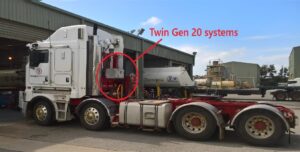
The quickest way to create confusion is to judge fuel use from one tank, one trip or the dash display. Wind, traffic, payload, idle time, driver habits and fuel quality can move consumption figures significantly. A proper baseline gives you something solid to compare after installation.
Before fitting an HHO system, record at least several comparable fill-to-fill cycles. Use the same filling method where possible and note the kilometres travelled, litres added, payload, route type, towing conditions and extended idle time. For a fleet vehicle, use litres per 100 km and litres per operating hour where idling or PTO work is a major part of the job.
Also record the truck’s current service condition. Air filter restrictions, intake contamination, injector performance, tyre pressures and wheel alignment all affect consumption. This is not paperwork for paperwork’s sake. It stops a tyre change, a lighter load or a different driver being mistaken for HHO performance.
After installation, run the same type of work for long enough to get meaningful data. A few weeks may be enough for a consistently used owner-driver truck. A variable fleet application may need more cycles and a larger sample. The stronger the records, the easier it is to identify actual savings and calculate payback.
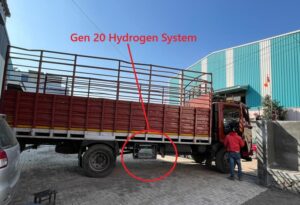
A generator that is too small may not produce enough gas volume to make a worthwhile difference on a larger, hard-working engine. A system that is oversized or poorly controlled can create unnecessary electrical demand and complicate installation. Correct sizing is not a sales extra – it is central to the result.
Engine displacement is the starting point, but it is not the only factor. Consider whether the truck is diesel or petrol, naturally aspirated or turbocharged, lightly used or on the road all day, and whether it spends its life towing, carrying or idling. A 4WD used on weekends has different requirements from a courier vehicle or a truck supporting a work crew every day.
Hydrogen Fuel Systems offers Gen 10, Gen 15, Gen 20 and Gen 25 system options for different engine capacities and applications. The right choice should be based on the vehicle, not simply the biggest unit available. A correctly selected system is easier to install, easier to maintain and better positioned to deliver measurable fuel and drivability outcomes.
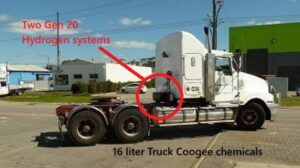
An HHO generator kit needs a clean, secure installation. It is an electrical and fluid system operating in an engine bay, so mounting position, wiring protection, hose routing and component placement are not details to rush.
The generator should be mounted upright on a stable surface away from excessive heat and moving components. Wiring needs suitable cable sizing, fusing, solid earth points and relay-controlled operation so the unit runs only when intended. Loose terminals, undersized wiring and poor earths can reduce output or create avoidable faults.
Gas delivery plumbing deserves the same attention. Hoses must be secured, protected from heat and routed to the nominated intake point. Safety components such as filters, bubblers and flashback protection must be fitted exactly as specified for the kit. Never improvise with unapproved fittings or bypass safeguards to save a few minutes.
Modern trucks can also require careful consideration of ECU behaviour. Some vehicles adapt fuel delivery over time; others respond differently depending on sensors, load demand and factory calibration. Any tuning work should be vehicle-specific, performed by a qualified professional and kept within applicable Australian emissions and roadworthiness requirements. Do not disable or defeat factory emissions equipment.

Highway work with a steady load is often easier to measure than stop-start urban running because there are fewer variables. Yet city-based trades vehicles can still benefit if they spend enough time under operating load rather than only on very short trips. An engine that rarely reaches proper operating temperature gives any combustion-focused modification less opportunity to prove itself.
Heavy towing and freight work place the engine under sustained demand. That can make changes in throttle response, pulling behaviour and fuel use more noticeable, but it also makes accurate comparisons essential. A different trailer, headwind or route gradient can swamp a small fuel-use change.
Idle-heavy applications need a different lens. Measure fuel per engine hour as well as distance. For generators, marine engines and site machinery, hourly consumption is often the most relevant operating-cost figure of all.
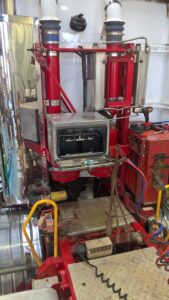
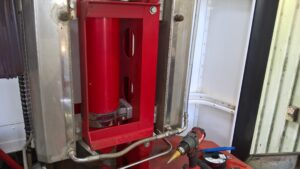

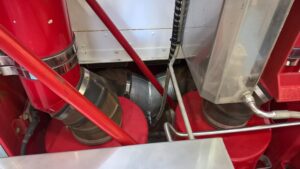
Truck HHO performance is maintained, not set and forgotten. Check electrolyte level and condition according to the system instructions, inspect electrical connections, and look over hoses and fittings during routine servicing. Deposits, loose wiring or contaminated components can reduce gas production long before a driver notices a major change.
A simple periodic check should include generator output, fluid condition, fuse and relay integrity, hose security, filter condition and any signs of leaks or corrosion. If performance drops, diagnose the whole vehicle as well as the HHO kit. A blocked air filter or injector issue can change fuel use immediately and lead to the wrong conclusion about the system.
Keep your fuel records going after the initial test period. The most valuable result is not a single impressive trip. It is a repeatable reduction in operating cost across the kilometres and hours that matter to your business.
For trucks that work hard, the best approach is direct: start with a sound engine, select the right generator capacity, install it properly and test it against real fuel records. When the numbers stack up over time, you have more than a claim – you have a practical improvement your truck can keep delivering.
by Gavan Knox MSc, BSc, BEd.
WhatsApp call +61 403177183
contact gavan@hfuel.com.au
https://hydrogenfuelsystems.com.au
Views: 2
Thursday, August 13, 2026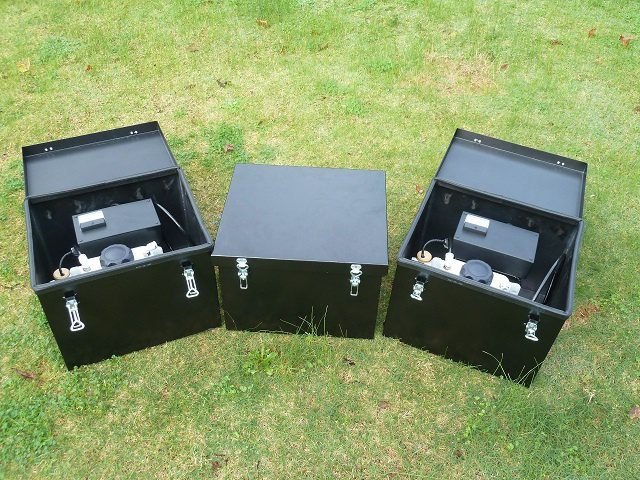
Brilliant Invention Gen 20 Hydrogen Generator ---(update Feb 7... Full Story

by Gavan Knox HFS whats app +61 403177183 gavan@hfuel.com.au... Full Story
A warning light, flat response under load and rising... Full Story

Diesel Exhaust Opacity Guide for Cleaner Pulling - Aug... Full Story

Diesel Combustion Efficiency Guide for Real Savings - Aug... Full Story
Payment Methods Partner:

© 2023 - Hydrogenfuelsystems pty ltd