Brilliant Invention Gen 20 Hydrogen Generator July 2 2026
Brilliant Invention Gen 20 Hydrogen Generator ---(update Feb 7... Full Story
Perth, West Australia




by Gavan Knox MSc, BSc, BEd.
WhatsApp call +61 403177183
contact gavan@hfuel.com.au
https://hydrogenfuelsystems.com.au
A patented hydrogen fuel system should give a vehicle owner more than another big promise about saving fuel. It should show that the design behind the system has been developed, documented and differentiated from the endless copy-and-paste HHO gear on the market. For anyone feeding a thirsty ute, 4WD, truck, boat, generator or work vehicle, that difference matters.
Fuel is one of the largest running costs in Australia. When a vehicle is working hard, spending more time under load or covering serious kilometres, small improvements in combustion efficiency can add up quickly. But buyers should be clear-eyed: a patent is not a magic fuel-saving certificate. It is one important part of the proof. The system design, component quality, correct sizing, installation standard and real-world testing all determine whether an on-board hydrogen system is worth fitting.
A patent protects a specific invention or method. In hydrogen enhancement equipment, that could relate to cell construction, gas production, electrical control, gas conditioning, safety arrangements or another technical feature that makes the system different from a generic unit.
That matters because not all HHO systems are built to the same standard. A cheap, unproven kit may look similar from the outside, yet use poor-quality plates, inadequate wiring, weak fittings or no meaningful protection against contaminated electrolyte and moisture entering the intake. Those shortcuts can turn a practical efficiency upgrade into an unreliable weekend project.
A properly engineered patented system is designed around repeatable operation. It needs to produce hydrogen and oxygen gas on demand, manage electrical draw sensibly and deliver conditioned gas to the engine intake without compromising the vehicle’s normal operation. The aim is not to replace diesel or petrol. It is to supplement the combustion process with a controlled hydrogen-rich gas stream.
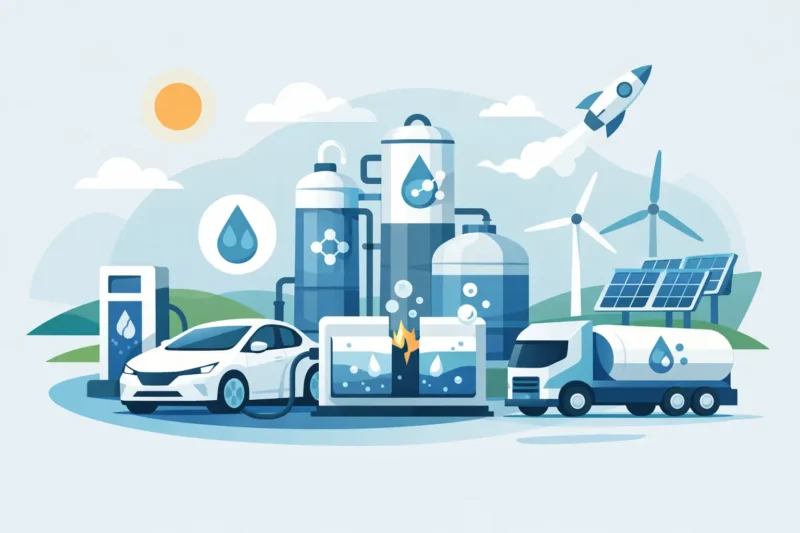
An on-board HHO generator uses electrical current from the vehicle to separate water into hydrogen and oxygen. The gas is then drawn into the intake system, where it mixes with the incoming air and fuel charge.
Hydrogen has a fast flame speed and low ignition energy. In the right application, introducing a small amount of HHO can support a cleaner, more complete burn of the primary fuel. That is the practical reason vehicle owners look at hydrogen enhancement. Better combustion can mean less wasted fuel, improved throttle response, more usable torque under load and lower exhaust emissions.
For a diesel workhorse that spends its life towing, carrying tools or hauling a load, the value is obvious. The engine is regularly consuming fuel under conditions where combustion quality and torque matter. For a petrol vehicle, results can also be worthwhile, particularly where the vehicle is well maintained and the system is matched correctly to engine capacity and driving conditions.
There is no honest one-size-fits-all result. A highway-driven fleet vehicle, a stop-start delivery van, a mining-site generator and a weekend 4WD will not return identical savings. Engine condition, duty cycle, load, speed, maintenance history and the driver’s habits all influence the outcome. What matters is using a system with credible engineering and measuring results over enough kilometres or operating hours to see the real trend.
The word “patented” should start the conversation, not end it. A serious buyer should ask what has been patented, how the system is constructed and what evidence supports its intended use.
First, look at the generator cell. It must be capable of stable output, rather than simply pulling excessive current to make a dramatic amount of gas for a short period. Electrical efficiency matters. If a system creates unnecessary alternator load, it can erode the very fuel-saving benefit you are trying to achieve.
Next, inspect the support hardware. A proper installation includes suitable power supply components, correctly rated wiring, fusing, secure hose routing, filters and safeguards. These are not optional extras. They are the difference between a clean, serviceable installation and a setup that causes headaches later.
Gas conditioning also deserves attention. The engine should not be exposed to electrolyte mist or contaminated moisture from the generator. Good filtering and separation protect the intake path and help maintain consistent operation. Anyone selling a hydrogen system should be willing to explain this clearly, not hide behind vague claims about “advanced technology”.
Finally, size the system for the job. A small passenger vehicle does not need the same capacity as a large diesel truck, marine engine or stationary generator. Hydrogen Fuel Systems offers Gen 10, Gen 15, Gen 20 and Gen 25 options because engine size, fuel consumption and workload are not all the same. Oversizing is not automatically better, and undersizing may leave performance on the table. Correct matching is where technical guidance earns its place.
If fuel cost is affecting your margins, do not buy on a flashy photo or a single testimonial. Ask for information that lets you make a commercial decision. A reputable supplier should be able to provide documentation and explain how its equipment applies to your engine.
Useful proof includes patent references, certification documents, installation manuals, product specifications, test reports and recorded before-and-after fuel data. For fleet and machinery operators, spreadsheets are especially valuable. They allow you to track litres used, kilometres travelled, engine hours, load conditions and servicing notes rather than relying on a driver’s impression after one tank.
Testimonials are worthwhile when they include the vehicle type, engine, work performed and the way results were measured. “Saved heaps” is not data. A report that identifies a loaded diesel truck, its route, its average fuel use before fitting and its consumption over a comparable period is far more useful.
It also pays to ask whether the supplier can support your application. A marine installation faces vibration, salt exposure and long operating periods. A generator has a steady load profile. A city-based delivery vehicle has constant stops and starts. A supplier who understands these differences is more likely to recommend the right equipment and installation approach.
A quality hydrogen fuel system cannot compensate for poor installation. The generator must be mounted securely, the electrical system protected, hoses routed safely and the intake connection completed correctly. On modern vehicles, the installer also needs to understand the engine management system and avoid interfering with factory safety or emissions equipment.
Before fitting any kit, address obvious mechanical issues. A blocked air filter, dragging brakes, injector faults, boost leaks, worn sensors or overdue servicing can hurt fuel economy far more than any enhancement system can recover. Get the base vehicle right first. Then measure its normal fuel use so you have a realistic benchmark.
For owner-drivers and fleet operators, the best approach is simple: record consumption before installation, fit the correctly sized system, follow the maintenance requirements and review the figures across comparable work. Do not judge it from one short trip, one unusually light load or a fuel receipt taken after changing your route.
High-use equipment usually presents the clearest business case because every percentage improvement is applied to more fuel. Long-haul and local trucks, trade utes, 4WDs used for towing, agricultural machinery, generators and marine engines can all be strong candidates when they are operating regularly and carrying meaningful fuel costs.
A vehicle that only does a few thousand kilometres a year may still benefit from improved response or cleaner combustion, but the payback period can be longer. That is not a reason to dismiss the technology. It is a reason to calculate the purchase properly. Work out current fuel spend, expected operating hours or kilometres, likely maintenance needs and the cost of professional installation.
The strongest purchase decision is not based on hype. It is based on a proven system, a sound mechanical platform and numbers you can verify. Choose the system that is designed for your workload, insist on the technical paperwork, and let your own fuel records show what the upgrade is delivering.
by Gavan Knox MSc, BSc, BEd.
WhatsApp call +61 403177183
contact gavan@hfuel.com.au
https://hydrogenfuelsystems.com.au
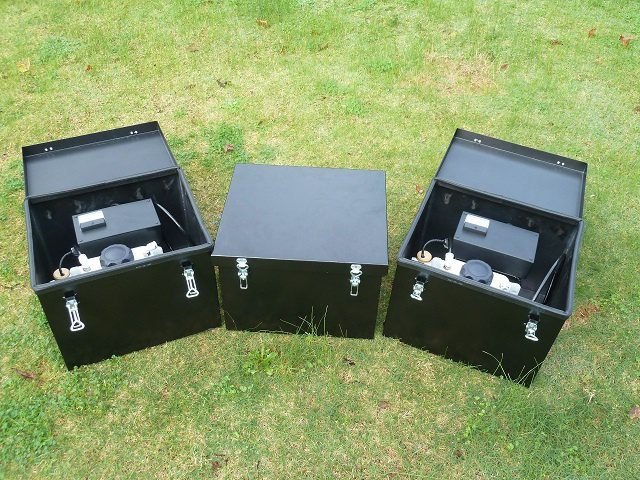
Brilliant Invention Gen 20 Hydrogen Generator ---(update Feb 7... Full Story

by Gavan Knox HFS whats app +61 403177183 gavan@hfuel.com.au... Full Story
A diesel that works hard does not hide its... Full Story

Best Vehicles for HHO Upgrades in Australia - Oct... Full Story

Fuel Economy Methodology That Produces Real Numbers - oct... Full Story
Payment Methods Partner:

© 2023 - Hydrogenfuelsystems pty ltd