Brilliant Invention Gen 20 Hydrogen Generator July 2 2026
Brilliant Invention Gen 20 Hydrogen Generator ---(update Feb 7... Full Story
Perth, West Australia




by Gavan Knox MSc, BSc, BEd.
WhatsApp call +61 403177183
contact gavan@hfuel.com.au
https://hydrogenfuelsystems.com.au
If you are burning through diesel or petrol every week, the real question is not whether fuel prices will settle down. It is how does a hydrogen kit work, and can it help your engine do more with the fuel you are already paying for.
For drivers, fleet operators and machinery owners, that question matters because an on-board hydrogen kit is not replacing your existing fuel. It is supporting the combustion process so the engine burns that fuel more efficiently. Done properly, that means a cleaner burn, less wasted energy, stronger throttle response and the potential for measurable fuel savings. That is why hydrogen enhancement has moved well beyond workshop curiosity and into real-world use across cars, 4WDs, trucks, generators and marine engines.
At its core, a hydrogen kit is an on-board gas generation system. It uses the vehicle’s electrical power and a specially prepared electrolyte solution inside a generator cell to produce hydrogen and oxygen gas, often referred to as HHO or oxyhydrogen. That gas is then fed into the engine’s air intake while the engine is running.
The key point is this: the gas is generated on demand. You are not storing large volumes of hydrogen in a tank. The system makes a controlled amount as the engine operates, then introduces it into the intake stream where it mixes with incoming air and the engine’s normal fuel supply.
When that small amount of hydrogen-rich gas enters the combustion chamber, it changes the burn characteristics of the air-fuel mixture. Hydrogen has a fast flame speed and low ignition energy, so it can help the main fuel charge ignite and burn more completely. In practical terms, more complete combustion means more of the energy in your diesel or petrol is used to produce work, instead of being lost as unburnt fuel, soot, carbon build-up or excessive exhaust waste.
That is the operating principle. The commercial reason people fit these systems is simple – if the engine burns fuel more efficiently, the vehicle or machine can use less fuel for the same job.
A proper kit is not just a jar with wires attached. A serious automotive hydrogen system is built from several components that need to work together reliably. Hydrogenfuelsystems Pty Ltd use High density Polyethylene for the structure of the systems and a combination of patented alloy annode material and Stainless steel 316L cathodes – to increase the output of the systems and protect it from electrolytic oxidation. HDPE is innert, strong , chemically resistant to breakdown and ideal for commercial electrolysis structures working with high pressure pumps.
The generator cell is the heart of the system. This is where electrolysis happens. Electrical current passes through the electrolyte solution and splits water into hydrogen and oxygen gases. Cell design matters because plate configuration, materials, spacing and current control all affect output, heat management and long-term durability.
The reservoir or tank supplies the fluid mix used by the cell. In most systems, that means water and an electrolyte to improve conductivity. You need the right concentration and the right maintenance routine. Too weak and gas production drops off. Too strong and you can create unnecessary heat or stress on the system.
The power supply and control side is just as important. Good systems regulate current draw rather than letting the unit pull uncontrolled power from the vehicle. That protects components, improves consistency and helps match output to the engine application. A compact passenger vehicle and a heavy diesel truck do not need the same gas production, which is why system sizing matters. Hydrogenfuelsystems Pty Ltd use 12 FET pulse width modulated power supllies that run cool which are easily adjusted to provide a high current adjustable DC Power supply for the hydrogen generation.
There are also safety and support components such as filters, hoses, flashback protection and fittings that allow the gas to travel cleanly and safely from the cell to the intake. This part often gets overlooked by people comparing cheap kits against properly engineered systems. On-board gas generation is only worth doing if the hardware is built for automotive use and backed by installation guidance.
This is where the performance case becomes clearer. A hydrogen kit does not turn your car into a hydrogen-powered vehicle. Your engine still runs on its normal fuel. The HHO gas acts as a combustion enhancer, increasing the flame speed and forcing the engine to use all the fuel injected at the top of the power stroke. Because all the fuel is burnt close to Top dead centre , less fuel is needed to reach the power required to achieve the selected vehicle speed – less throttle is needed and less fuel is used .
In diesel engines, the extra hydrogen-oxygen gas can help the diesel burn faster and more completely. Diesel engines often leave some fuel unburnt, especially under load, during cold operation or in older engines with carbon build-up. By improving flame propagation in the chamber, the gas can reduce incomplete combustion. That can mean lower smoke output, cleaner running and better use of the fuel being injected.
In petrol engines, the principle is similar. The added gas can improve the efficiency of the burn event, which may sharpen response and reduce some of the waste associated with incomplete combustion. The exact result depends on engine condition, tuning, driving style and the quality of the installation.
This is where honest expectations matter. A hydrogen kit is not a magic fix for a worn-out engine, blocked injectors, poor compression or neglected servicing. If the base engine has mechanical problems, those need attention first. Hydrogen enhancement works best when it is supporting a sound engine and a correct installation.
Fuel savings are the main reason buyers look at hydrogen kits, but combustion quality affects more than just the bowser bill.
When fuel burns more completely, there is generally less carbon residue left behind. Over time, that can help reduce soot and deposits in parts of the engine and exhaust system. Cleaner combustion can also contribute to smoother running and reduced visible emissions in many applications.
There is a mechanical knock-on effect as well. Less incomplete combustion means less contamination and less unnecessary by-product formation inside the system. For operators who put serious hours on their vehicles, generators or marine engines, even modest efficiency gains can add up fast. A small percentage improvement across high monthly fuel spend is not small money.
That is why these systems attract owner-drivers, tradies, touring 4WD owners and fleet managers. They are not chasing theory. They are chasing lower operating costs and a better return from equipment they already own.
No, and anyone saying otherwise is overselling it.
Results depend on engine size, fuel type, duty cycle, existing tune, driving conditions and whether the kit is correctly matched to the application. A highway truck doing long steady kilometres is different from a stop-start city ute. A generator under consistent load is different again. Marine engines have their own operating profile.
That is why system sizing exists. Larger applications need the right generator capacity, and smaller engines can be over-served by poorly chosen hardware. Matching the kit to the engine is part of getting a result. Installation quality matters too. Gas flow, electrical stability, intake placement and maintenance all influence performance.
The strongest setups are the ones backed by technical data, fitment guidance and proven application history. Buyers should be wary of generic claims with no test material behind them. In this market, proof matters.
A hydrogen kit can only perform as well as it is installed. That sounds obvious, but it is where plenty of systems fall over.
The generator needs to be mounted securely. The electrical connections need to be correct. The fluid levels need to be maintained. The gas line needs to be routed properly into the intake. If the system is drawing the wrong current, producing inconsistent gas or fitted with poor-quality components, you will not get the benefit the technology is capable of delivering.
That is also why a proper kit is more than parts in a box. You want installation instructions, technical support, replacement components and application-specific guidance. On a diesel 4WD in Perth, a truck running interstate freight out of Melbourne, or a generator working hard in regional Australia, reliability matters just as much as output.
Hydrogen Fuel Systems has built its reputation around that practical side of the market – tested systems, documented performance claims, multiple kit sizes and support material that helps buyers fit the right unit to the right engine.
There is a lot of noise around hydrogen products. Some of it is fair skepticism, because cheap and poorly engineered systems have given the category a mixed reputation. That is exactly why serious buyers look for patented technology, certification documents, test reports and real application evidence.
A proven system is built to control gas production, handle automotive conditions and integrate properly with the engine. It is designed as a working mechanical solution, not a science project. If you are comparing options, look at whether the supplier can show testing, specifications, installation documents and real customer outcomes across the types of vehicles you run.
That proof-first approach matters if you are buying for one vehicle or for a fleet. The goal is not novelty. The goal is reduced fuel use, lower emissions, better combustion and a system that earns its place on the vehicle.
If your vehicle or machinery burns enough fuel for efficiency gains to matter, it can be. The heavier the usage, the easier it is to see why. A tradie covering long distances, a 4WD owner touring loaded, a transport operator watching margins tighten, or a generator owner paying for every hour of runtime all have the same commercial problem – fuel costs are relentless.
A properly engineered hydrogen kit addresses that problem at the combustion level. It supports a cleaner, faster burn of the fuel you are already using. That is where the potential gains in economy, power response and emissions improvement come from.
The right next step is not guesswork. It is matching the kit size to the engine, fitting it properly and measuring the result over real operating conditions. When you treat hydrogen enhancement as a practical efficiency upgrade instead of a gimmick, the value becomes much easier to judge.
call Gavan on +61 403177183 – on WhatsApp or 0403177183 to clarify any points in this Post.
Contact Gavan through email gavan@hfuel.com.au or gavan@hfuel.com.au or through this website HERE
Thursday, July 2, 2026
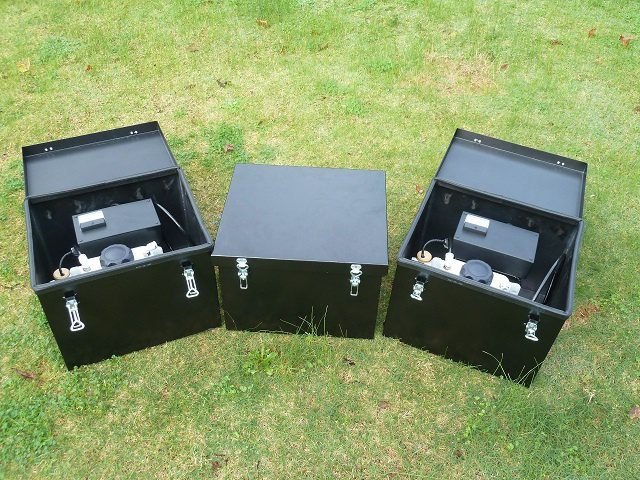
Brilliant Invention Gen 20 Hydrogen Generator ---(update Feb 7... Full Story

by Gavan Knox HFS whats app +61 403177183 gavan@hfuel.com.au... Full Story

Fuel Economy Methodology That Produces Real Numbers - oct... Full Story

Can HHO Improve Towing Economy? Facts That Matter -... Full Story
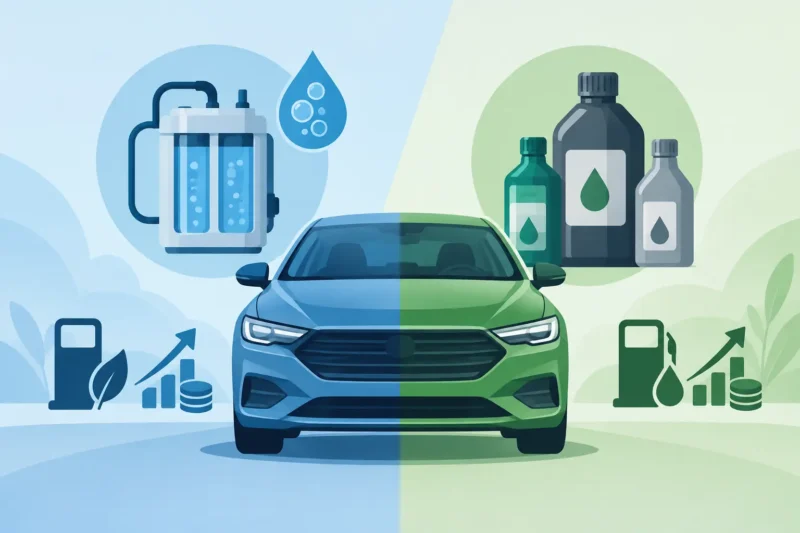
HHO Versus Additives: What Actually Pays Back? - Oct.... Full Story
Payment Methods Partner:

© 2023 - Hydrogenfuelsystems pty ltd