Brilliant Invention Gen 20 Hydrogen Generator July 2 2026
Brilliant Invention Gen 20 Hydrogen Generator ---(update Feb 7... Full Story
Perth, West Australia




by Gavan Knox MSc, BSc, BEd.
WhatsApp call +61 403177183
contact gavan@hfuel.com.au
https://hydrogenfuelsystems.com.au
If you fit the wrong size kit, you leave money on the table. Too small and the engine never gets the hydrogen support it needs under load. Too large and you can overcomplicate the install, take up more room than necessary, and spend more than the application calls for. Choosing the best hydrogen kit size is not about guessing – it is about matching the system to engine demand, duty cycle, and how the vehicle or machine actually works.
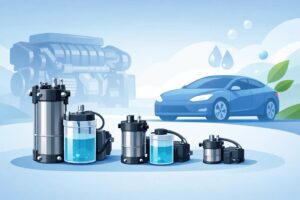
That matters whether you run a diesel ute, a highway truck, a marine engine, a generator or a hard-working 4WD. The right kit size can make the difference between a system that performs as intended and one that is simply fitted. Buyers who want fuel savings, cleaner combustion, stronger throttle response and lower operating costs need to size the system properly from the start.

The first thing to understand is that engine size alone does not tell the full story. A 3.0L diesel used for light commuting is a different job from a 3.0L diesel towing every day. Likewise, a generator running a steady load for hours has a different demand profile from a city vehicle stopping and starting all day.
The best hydrogen kit size depends on four practical factors – engine displacement, fuel consumption, load, and operating hours. If the engine burns more fuel, spends more time under load, or works for long periods, it will generally need a larger system. That is why serious kit selection should always be based on application, not just badge size on the guard.
You also need to think about available installation space, electrical supply, and the condition of the engine. A tired engine with maintenance issues is not a sizing problem. It is a mechanical problem. Hydrogen enhancement systems are designed to improve combustion efficiency, not cover up injector faults, turbo issues, poor compression or neglected servicing.
Hydrogen generator kits are commonly offered in stepped sizes such as Gen 10, Gen 15, Gen 20 and Gen 25. Those sizes exist for a reason. They let you match hydrogen output to real engine demand instead of forcing one generic unit across every application.
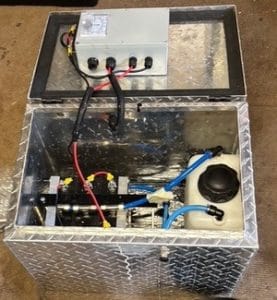
A Gen 10 generally suits smaller engines and lighter-duty use. Think smaller petrol or diesel passenger vehicles, compact cars, light utes and some smaller 4WDs that are not constantly towing or hauling. If the vehicle is used mainly for commuting, general driving and moderate kilometres, a Gen 10 can be the right starting point.
This size is often attractive because it is easier to package and keeps the install simpler. For many everyday drivers, that is enough. But if the vehicle spends its life under load, carries tools, pulls a trailer or works in country conditions, stepping up may be the smarter move.
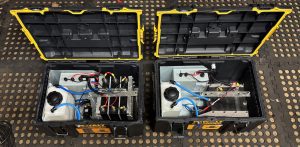
A Gen 15 is often the sweet spot for medium-duty vehicles. This can include larger utes, mid-size 4WDs, vans and work vehicles that do a mix of urban and open-road driving. If the engine has more torque demand day to day and fuel use is materially higher than a light passenger car, Gen 15 starts to make more sense.
This is the point where many owner-drivers and tradies see the balance between output, fitment and return. It gives stronger support for engines that work for a living without jumping straight to a heavy-duty setup.
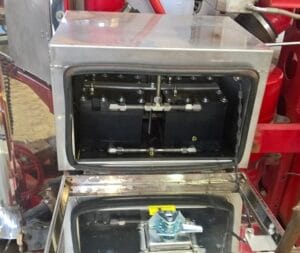
A Gen 20 moves into serious working territory. This size is more suitable for larger diesel engines, trucks, commercial vehicles, some marine applications, and generators with meaningful fuel burn. If the engine is under sustained load and operational efficiency matters every day, a Gen 20 is often where the numbers start to line up.
For fleet operators and transport businesses, undersizing here is a common mistake. A vehicle that spends long hours on the road, moves weight, and burns fuel all week needs a system built for that demand. A smaller unit may still operate, but it may not deliver the performance support expected in heavier applications.
A Gen 25 is built for the top end of the workload scale. This is the sort of sizing you look at for large commercial diesel engines, heavier machinery, bigger marine setups, and high-consumption stationary engines. When the engine is doing long hours and burning serious fuel, a larger hydrogen output becomes necessary.
This is not a case of bigger always being better. It is a case of bigger being right when the application justifies it. For a heavy-duty operator, getting this wrong can affect both installation practicality and commercial return. For the right engine, though, Gen 25 is the correct tool for the job.
If you want a fast way to narrow down the best hydrogen kit size, look closely at fuel use. Fuel consumption tells you how hard the engine works in the real world. Two vehicles with the same engine capacity can have completely different hydrogen demands if one runs empty and the other carries weight all day.
That is why serious sizing discussions often start with litres per 100 km, litres per hour, average load, or weekly fuel spend. High fuel use usually points to a higher-demand combustion environment. That does not automatically mean the biggest kit, but it does mean you should not default to the smallest one just to save on upfront cost.
For generators and marine engines, litres per hour is especially useful because the engine often runs at a known load for long periods. In those cases, matching the kit to operating conditions is far more accurate than relying on broad assumptions.
Undersizing is the more common problem. Buyers naturally try to keep cost down, but a kit that is too small for the application can limit the outcome. If the engine never receives enough hydrogen support during its real operating range, you are not giving the system a fair chance to do its job.
Oversizing has its own downside. You may take up more mounting space, add unnecessary complexity, and pay for capacity that the engine does not need. In some vehicles, especially tighter engine bays, practical fitment matters. A clean, well-matched install is better than forcing in a larger system that offers no genuine advantage for that application.
The right answer sits in the middle – enough output to support combustion improvement under real load, without adding size for the sake of it.
For an urban diesel ute in Perth or Brisbane doing moderate kilometres, a Gen 10 or Gen 15 may be the logical fit depending on load and towing. For a touring 4WD crossing long distances with gear, water, tools and occasional towing, Gen 15 often deserves a closer look than Gen 10.
For delivery vans, trade vehicles and owner-driver setups doing serious weekly kilometres, Gen 15 or Gen 20 is usually where the conversation gets more commercial. For linehaul trucks and heavier diesel applications, Gen 20 or Gen 25 becomes far more realistic.
Marine and generator applications need the same approach. Ignore the badge and focus on load, hours, and fuel burn. A generator that runs daily under sustained demand should be sized like a working asset, not like a casual-use vehicle.
Start with facts. Know the engine size, fuel type, average fuel use, operating conditions and whether the vehicle or machine works lightly, moderately or hard. Be honest about towing, payload, terrain and hours. If it is a workhorse, size it as a workhorse.
Then look at fitment and support hardware. The best hydrogen kit size is not just about the cell itself. A proper setup includes the right supporting components, sound installation practice, and application-specific guidance. That is where proven systems stand apart from generic hardware.
If you are comparing options, ask which kit size has been used on similar engines, under similar duty, with documented results. Tested, patented and application-backed systems matter because they remove guesswork. That is exactly why many buyers deal with Hydrogen Fuel Systems – they want a kit matched to the engine, not a one-size-fits-all pitch.
A good sizing decision should feel mechanical, not emotional. It should be based on what the engine consumes, how it works, and what return you expect over time.
If your vehicle tows often, carries heavy loads, runs hot conditions, clocks high kilometres, or sees long periods under throttle, it is worth considering the next size up. The same applies to commercial users who cannot afford half-measures. Spending slightly more upfront for the right output can make better sense than fitting a smaller kit and hoping for the best.
On the other hand, if the vehicle is lightly used and fuel burn is modest, there is no prize for overcapitalising. Match the kit to the real job. That is where the value sits.
The best hydrogen kit size is the one that suits your engine’s actual workload, not the one that looks cheapest or largest on paper. Get that match right and you set the system up to deliver what matters – stronger combustion, lower fuel costs, cleaner running and a better return from every litre you burn.
call Gavan on +61 403177183 – on WhatsApp or 0403177183 to clarify any points in this Post.
Contact Gavan through email gavan@hfuel.com.au or gavan@hfuel.com.au or through this website HERE
Views: 3
Thursday, July 9, 2026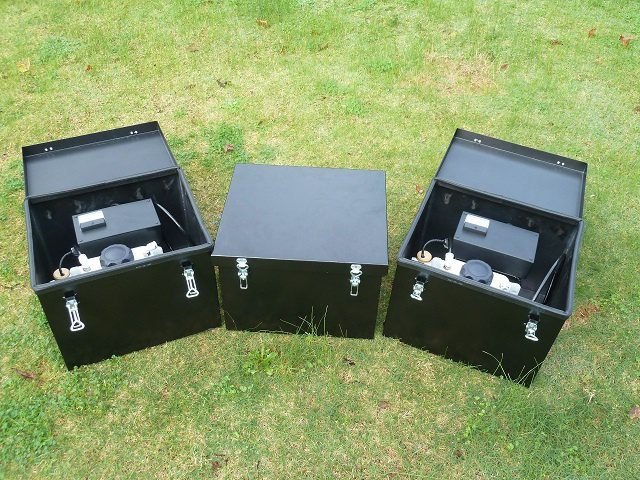
Brilliant Invention Gen 20 Hydrogen Generator ---(update Feb 7... Full Story

by Gavan Knox HFS whats app +61 403177183 gavan@hfuel.com.au... Full Story

Farm Machinery HHO: Cut Fuel Use Under Load -... Full Story

Fleet Decarbonisation Technologies That Cut Costs- Aug 26 by... Full Story
Hydrogen Enhancement Versus DPF Cleaning - August 26. by... Full Story
Payment Methods Partner:

© 2023 - Hydrogenfuelsystems pty ltd