Brilliant Invention Gen 20 Hydrogen Generator July 2 2026
Brilliant Invention Gen 20 Hydrogen Generator ---(update Feb 7... Full Story
Perth, West Australia




by Gavan Knox MSc, BSc, BEd.
WhatsApp call +61 403177183
contact gavan@hfuel.com.au
https://hydrogenfuelsystems.com.au
A fleet does not lose money in one dramatic hit. It loses it every time a diesel ute idles at a worksite, a truck pulls a loaded trailer, or a van crawls through metro traffic on another delivery run. An HHO kit for fleet vehicles is built to address that ongoing cost by introducing on-board hydrogen gas into the engine’s air intake to support a more complete combustion event.
For operators watching every litre, the appeal is straightforward: get more useful work from the fuel already going into the tank. But fleet conversion is not a matter of bolting a generator onto every vehicle and expecting identical results. Vehicle condition, duty cycle, engine size, load, installation quality and driver behaviour all affect the outcome. The operators who get the best return treat HHO as a measured fuel-efficiency upgrade, not a guess.
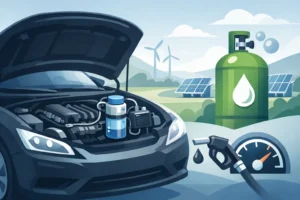
High-use vehicles give you something private cars rarely provide: enough kilometres, fuel data and operating hours to measure a change properly. A courier van that covers the same routes each week, a service ute running between job sites, or a generator operating for set hours can establish a clear baseline. Once an HHO system is fitted, the same records show whether the vehicle is using less fuel per kilometre or per operating hour.
That matters because fuel is a major controllable expense. Even a modest improvement in consumption can add up quickly across several vehicles. The bigger the fuel burn and the higher the annual kilometres, the sooner an operator can assess whether the upgrade is paying for itself.
There is also a mechanical reason fleets look at hydrogen enhancement. Internal combustion engines do not always burn their fuel charge as efficiently as they could, especially when operating under variable load, idling frequently or working in stop-start conditions. An on-board HHO generator produces hydrogen and oxygen gases from water using electrical power. The gas is introduced in controlled quantities through the intake, where it is intended to support faster, cleaner combustion.
When combustion efficiency improves, operators may see lower fuel use, sharper throttle response, reduced smoke and a cleaner-running engine. Results vary by application, and any fuel-saving figure should be verified against the fleet’s own data rather than assumed from another operator’s vehicle.
The strongest candidates are usually vehicles and equipment that work hard, use measurable volumes of fuel and remain in service long enough to deliver a return. This can include delivery vans, trade utes, light trucks, rigid trucks, 4WD service vehicles, buses, marine workboats and fixed generators.
Diesel fleets are a common application because diesel engines are regularly operated under load and can suffer from soot build-up, incomplete combustion and extended idle time. Petrol fleet vehicles can also be suitable, provided the system is correctly matched and fitted for the engine configuration.
The duty cycle is the deciding factor. A highway truck travelling at a steady speed may respond differently to a stop-start council vehicle or a mine-site ute. A generator with a stable electrical load is easier to benchmark than a vehicle driven by multiple people on changing routes. That does not rule out the harder-to-measure applications. It simply means the testing period must be longer and the data needs to be cleaner.
A small hydrogen generator on a large commercial engine is unlikely to deliver the gas volume needed for a meaningful result. Oversizing a system without considering the electrical system, available mounting space and engine application is just as careless. Correct sizing is where a fleet installation becomes a commercial upgrade rather than an experiment.
Hydrogen Fuel Systems offers generator sizes including Gen 10, Gen 15, Gen 20 and Gen 25 units for different engine capacities and applications. The right unit depends on engine displacement, fuel type, intake layout, available charging capacity and the vehicle’s workload. A light diesel van and a heavy-duty truck should not be treated as the same job.
Before fitting any HHO system, confirm these practical points:
A tired engine with blocked filters, poor injectors or a boost leak needs repair before any efficiency upgrade can be judged fairly. HHO technology is designed to assist combustion, not hide existing mechanical problems.
A fleet vehicle is not a showroom car. It copes with corrugations, heat, dust, wet weather, long idle periods and drivers who need the vehicle back on the road. That makes installation quality non-negotiable.
Use proper brackets, protected wiring, correct fusing and secure hose routing. Components must be accessible enough for routine servicing without being exposed to damage. Installation instructions, power supply components, filters and application-specific guidance are not extras – they are part of getting a reliable result.
For larger fleets, it is smart to start with a controlled pilot group. Select similar vehicles with reliable fuel records, fit the same correctly sized system, and monitor them over a meaningful operating period. This gives management real fleet evidence before a wider rollout.
The fastest way to waste a fleet upgrade budget is to rely on a driver saying the vehicle “feels better”. Driver feedback matters, particularly around response and pulling power, but it is not a fuel report.
Start by recording at least several weeks of baseline data. Track litres purchased, kilometres travelled, operating hours where relevant, load type, route conditions and idle time. For diesel vehicles, litres per 100 km is useful. For generators and marine equipment, litres per hour is often the better measure.
After installation, compare like with like. Do not compare a lightly loaded summer run with a wet-season route carrying heavier loads. Look at fuel use across enough kilometres or hours to reduce the impact of traffic, weather, payload and driver changes. Telematics, fuel cards and job records can make this process far more accurate.
Also watch secondary indicators. If a vehicle produces less visible smoke under load, holds speed more easily or requires less throttle for the same work, those observations can support the fuel figures. They should not replace them.
A disciplined trial should include a control vehicle where possible. If two similar vans operate on similar routes and one receives the HHO system, the comparison becomes much stronger. This is how fleet operators move from marketing claims to an informed purchasing decision.
An HHO system should be fitted with the same care given to any aftermarket engine-related equipment. Check fleet insurance requirements, workplace safety procedures, manufacturer warranty implications and applicable Australian vehicle regulations before installation. Any modification must not compromise emissions controls, electrical safety or roadworthiness.
The system also needs regular attention. Water quality, fluid level, filters, electrical terminals and hose condition should be included in scheduled maintenance. A neglected generator cannot deliver consistent gas output, and inconsistent output makes fuel data unreliable.
Expectations need to stay commercial. An HHO kit is not a substitute for tyre pressure checks, scheduled servicing, load management, route planning or driver training. It works best as part of a broader operating-cost program. A fleet that combines good maintenance with accurate monitoring is in the best position to capture and verify any fuel-saving benefit.
The right HHO fleet project begins with the vehicles that burn the most fuel and generate the cleanest data. Choose a sound engine, match the generator to the application, fit it properly and track every litre before making a fleet-wide decision. When the numbers show a worthwhile reduction in fuel use, you have more than a claim – you have a practical case for putting more money back into the business.
by Gavan Knox MSc, BSc, BEd.
WhatsApp call +61 403177183
contact gavan@hfuel.com.au
https://hydrogenfuelsystems.com.au
call Gavan on +61 403177183 – on WhatsApp or 0403177183 to clarify any points in this Post.
Contact Gavan through email gavan@hfuel.com.au or glknox11@live.com or through this website HERE
Views: 0
Saturday, July 11, 2026
Brilliant Invention Gen 20 Hydrogen Generator ---(update Feb 7... Full Story

by Gavan Knox HFS whats app +61 403177183 gavan@hfuel.com.au... Full Story
HHO Kit for Fleet Vehicles That Cuts Fuel Costs... Full Story

Hydrogen Kit for Petrol Engines: Worth It - July... Full Story
Best Hydrogen Kit Size for Your Engine - july... Full Story
Payment Methods Partner:

© 2023 - Hydrogenfuelsystems pty ltd