Brilliant Invention Gen 20 Hydrogen Generator July 2 2026
Brilliant Invention Gen 20 Hydrogen Generator ---(update Feb 7... Full Story
Perth, West Australia





Farm Machinery HHO: Cut Fuel Use Under Load – aug 27
by Gavan Knox MSc, BSc, BEd, Inventor
WhatsApp call +61 403177183
contact gavan@hfuel.com.au
https://hydrogenfuelsystems.com.au
Farm Machinery HHO: Cut Fuel Use Under Load – aug 27. A tractor that spends all day pulling a deep ripper, feeding a baler or running a PTO-driven implement does not have much room for wasted fuel. That is where farm machinery HHO earns attention. An on-board hydrogen generator introduces a controlled flow of hydrogen-rich gas into the engine’s air intake, supporting a faster, more complete burn of the diesel already being injected.
For operators watching every litre, the appeal is straightforward: use less fuel where possible, maintain strong torque under load and reduce the soot and carbon that contribute to a harder-working engine. But this is not a fit-and-forget accessory. Results depend on choosing a system that suits the machinery, fitting it correctly and measuring performance against a genuine working baseline.

Farm equipment is often worked harder than road vehicles. A ute might cruise at a steady speed. A tractor, telehandler, header or irrigation pump can operate under sustained load for hours, often in dust, heat and stop-start conditions. Every inefficient combustion event becomes more expensive when the engine is consuming hundreds or thousands of litres across a season.
Diesel engines are built for torque and durability, but they do not always burn every available portion of fuel as efficiently as they could. Load changes, idling, injector condition, carbon build-up, air restriction and operating habits all influence combustion quality. The visible signs can include black smoke under acceleration, lazy throttle response, soot around the exhaust and fuel figures that keep climbing without a matching lift in output.
An HHO system is designed to support combustion, not replace diesel. It uses electrical power and an electrolyte solution to generate hydrogen and oxygen gas on demand. That gas is introduced into the intake in a controlled quantity, where it can assist flame propagation and the combustion process. The aim is to get more useful work from the fuel entering the cylinder.

A properly specified HHO kit has several working parts: the generator cell, electrolyte reservoir, hoses, safety components, wiring, a power supply arrangement and a method of delivering gas into the intake. It must be installed so it can keep producing gas reliably without interfering with the machine’s normal operation, service access or safety systems.
Hydrogen burns quickly. In a diesel engine, this characteristic can help initiate and improve the burn of the diesel fuel charge. When combustion is cleaner and more complete, the operator may see reduced smoke, a crisper response under load and lower fuel consumption for the same task. The actual outcome varies with the engine, its tune, the type of work and the condition of the machine.
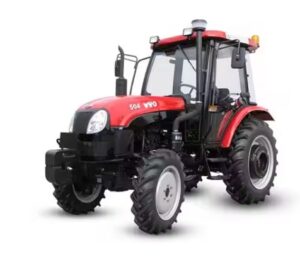
small tractor
This matters because farm machinery is judged by work completed, not laboratory figures. If a tractor can maintain its job with less fuel per hectare, or a pump can run its required cycle with less diesel consumed, the savings become meaningful. The machine still needs enough power at the drawbar, PTO or hydraulic system. Saving fuel by backing off output is not a saving at all.

Be wary of anyone promising the same result on every machine. A late-model common-rail tractor with a healthy engine and electronically managed fuelling will behave differently from an older mechanical-injection loader. A machine that spends its life at a consistent high load can produce a different result from one that idles, moves short distances and works intermittently.
The right expectation is measurable improvement, verified in the conditions where the machine earns its keep. Record litres used, engine hours, work performed, load, weather and the implement being used. Comparing full tanks without recording the job is guesswork. Comparing fuel per hour or fuel per hectare across like-for-like work is useful evidence.
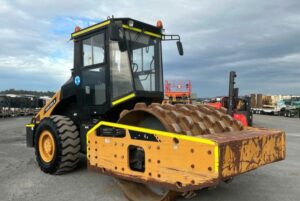
Farm machinery HHO systems are not one-size-fits-all. Engine capacity is only part of the decision. The alternator’s available output, electrical system voltage, engine load profile, intake layout and physical mounting space all matter. A compact tractor and a high-horsepower broadacre machine should not automatically receive the same generator setup.
The generator must produce enough gas to support the application without placing unreasonable demand on the electrical system. Its installation also needs to survive vibration, dust, heat and regular maintenance. A kit that is excellent on a road vehicle can still be poorly suited to a machine working across rough paddocks if it is not mounted and protected properly.

Hydrogen Fuel Systems offers generator sizes including Gen 10, Gen 15, Gen 20 and Gen 25, allowing the system to be selected around the application rather than sold as a generic box of parts. The correct size should be determined from the engine and duty cycle, with attention to the machinery’s charging capacity and the expected hours of operation.
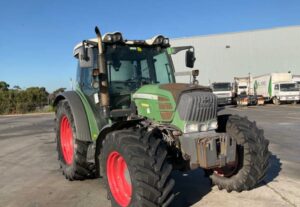
A tidy installation is a performance issue, not just a cosmetic one. Hoses need secure routing away from heat, sharp edges and moving components. Electrical connections must be fused, sealed and sized correctly. The cell requires a stable mounting point, while filters and safety devices need to remain accessible for inspection.
Agricultural machines live in tougher conditions than most cars. Dust can clog filters. Vibration can loosen fittings. Mud and wash-down water can attack poor electrical connections. A system should be inspected as part of the operator’s normal maintenance routine, particularly before high-demand periods such as seeding, harvest or extended pumping work.
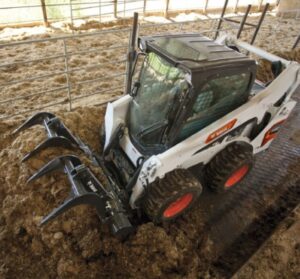
Do not bypass safety components, improvise plumbing or treat hydrogen as something to experiment with around a running engine. Follow the supplied installation documentation and use appropriately rated parts. If the machinery has complex electronic controls, emissions equipment or a warranty condition that may be affected by modifications, check the implications before fitting any aftermarket system.
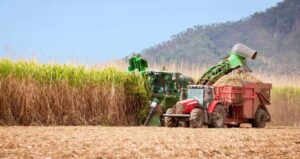
The strongest case is usually machinery that burns substantial fuel and performs repeatable work. A tractor used daily for cultivation, a loader handling feed, a generator supplying remote power, or a diesel irrigation engine with predictable running hours gives you a clear opportunity to track the result.
Consider the difference between a machine that runs 50 hours a year and one that runs 1,000. Even a modest efficiency improvement has far more value on the high-hour asset. It also makes it easier to recover the cost of the system through lower diesel use, provided the machine is in good mechanical condition and the installation is properly matched.
The following applications are commonly worth assessing:
That does not mean every engine should be fitted immediately. Start with the equipment where fuel records are reliable, utilisation is high and the work pattern is consistent. A trial on the right machine creates data you can use across the rest of the fleet.

An HHO generator can support combustion efficiency. It cannot repair worn injectors, a blocked air filter, a failing turbocharger, poor compression or a fuel system fault. If the machinery is smoking heavily, lacks power or uses oil, deal with the underlying issue first.
A sensible pre-installation check includes servicing filters, inspecting intake plumbing, checking injector and turbo condition where relevant, confirming charging voltage and looking for fault codes on electronically controlled equipment. This creates a fair baseline and prevents the HHO system being blamed for a pre-existing problem.
It also helps to inspect the alternator. The system draws electrical current to produce gas, and the charging system must comfortably support that demand alongside lights, air-conditioning, control modules, pumps and other electrical loads. A weak alternator or poor battery connection is not a foundation for reliable operation.

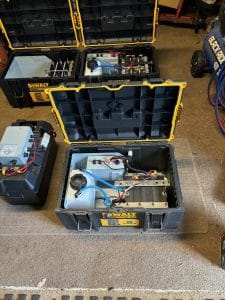
The commercial decision should come back to numbers. Before installation, log several comparable work periods. Note fuel added, engine hours, hectares covered, tonnes moved or generator output. After installation, repeat the same process across enough hours to account for changing soil, weather and operator conditions.
Fuel use per hour is useful, but output-based figures are stronger. For cultivation, track litres per hectare. For grain handling, consider litres per tonne. For pumping, track litres per operating hour at a consistent load. These numbers show whether the machine is delivering the same or better work with less diesel.
Watch secondary indicators too. Reduced visible smoke, cleaner exhaust behaviour and stronger response can support the fuel data, but they should not replace it. The best result is one an owner, farm manager or fleet operator can see in the records at the end of the month.
The machinery that costs the most to run deserves the closest scrutiny. Pick one high-hour diesel asset, establish its real fuel baseline, fit the correctly matched system and let the work records make the case. That is how an HHO investment moves from workshop talk to a practical operating decision.
by Gavan Knox MSc, BSc, BEd, Inventor
WhatsApp call +61 403177183
contact gavan@hfuel.com.au
https://hydrogenfuelsystems.com.au
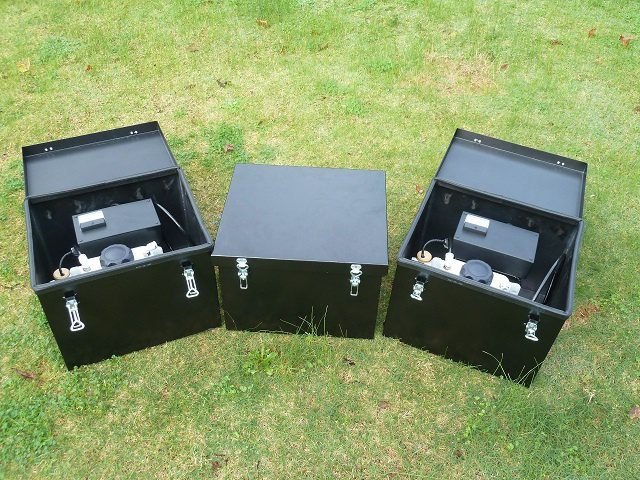
Brilliant Invention Gen 20 Hydrogen Generator ---(update Feb 7... Full Story

by Gavan Knox HFS whats app +61 403177183 gavan@hfuel.com.au... Full Story
HHO Versus Additives: What Actually Pays Back? - Oct.... Full Story
Run a Fleet Hydrogen Trial That Shows Real Results... Full Story

4WD Hydrogen Results for Hard-Working Rigs - Oct 9... Full Story
Payment Methods Partner:

© 2023 - Hydrogenfuelsystems pty ltd