Brilliant Invention Gen 20 Hydrogen Generator July 2 2026
Brilliant Invention Gen 20 Hydrogen Generator ---(update Feb 7... Full Story



by Gavan Knox MSc, BSc, BEd, Inventor
WhatsApp call +61 403177183
contact gavan@hfuel.com.au
https://hydrogenfuelsystems.com.au
HHO Savings for Vehicles in Heavy City Traffic – Sept 26. A vehicle crawling from one set of lights to the next can burn a surprising amount of fuel without covering much ground. The engine idles, accelerates hard for a few seconds, brakes, then repeats the cycle all the way through the CBD, industrial estate or suburban school run. That is exactly why HHO savings for vehicles in heavy city traffic deserve serious attention from drivers who are tired of watching fuel costs climb.
Highway kilometres are relatively easy on an engine. City kilometres are not. Stop-start driving exposes inefficient combustion, excess idling and the fuel-heavy acceleration needed to move a loaded ute, van, truck or 4WD back into traffic. An on-board hydrogen generator is designed to support a cleaner, more complete combustion process where it matters most: during the repeated low-speed load changes that make urban driving expensive.
A combustion engine is at its best when it reaches operating temperature and runs at a consistent speed under a steady load. Heavy urban traffic delivers the opposite. The engine is constantly transitioning between idle, low revs and short bursts of throttle. Each transition can demand more fuel, particularly in older vehicles, diesel work vehicles and engines that spend their lives carrying tools, stock or equipment.

At idle, the engine is consuming fuel while the vehicle goes nowhere. During take-off, extra fuel is introduced to get mass moving. Then the driver backs off, brakes and repeats it all again. Airflow, fuel delivery and combustion conditions are changing constantly. In a fleet vehicle doing multiple metro jobs each day, that cycle can be repeated hundreds of times.
The cost is not limited to the bowser. Stop-start work can also contribute to soot build-up, rougher combustion, more frequent regeneration events in some diesel applications and unnecessary engine stress over time. No aftermarket system can remove traffic from Australian roads, but improving combustion efficiency can reduce the amount of fuel wasted in the process.
An HHO system generates a controlled amount of hydrogen and oxygen gas on board, then introduces it into the engine’s intake air. The purpose is not to replace the vehicle’s main fuel supply. It is to enhance the burn of the petrol or diesel already being used.
Hydrogen has a rapid flame speed and ignites readily. When applied correctly, it can help the fuel charge burn more completely and evenly. In practical terms, that can mean the engine needs less throttle input to achieve the same response, especially when moving off from lights, merging into traffic or carrying a load through congested streets.
For diesel vehicles, the potential benefit is particularly relevant because diesel combustion relies on compression ignition and can leave unburnt fuel particles under certain operating conditions. Better combustion can support cleaner burn characteristics, reduced smoke and more usable torque. For petrol engines, the improvement may be felt as sharper throttle response and smoother operation in the low-to-mid-range where city driving happens.
The savings are created over thousands of repeated events, not from one dramatic moment. A little less fuel used at idle, a cleaner burn during acceleration and a more responsive engine across a full week of driving can add up. That is why the strongest case for HHO is often a high-use vehicle with predictable operating conditions and a meaningful fuel bill.
Not every vehicle has the same opportunity for savings. A weekend car that travels 50 kilometres a week may take a long time to produce a worthwhile return. A courier van, trade ute, rideshare vehicle, council truck, delivery truck or service vehicle spending all day in traffic presents a very different equation.
Vehicles that commonly suit an HHO assessment include diesel utes carrying tools, vans making multi-stop deliveries, light trucks working metro routes, 4WDs towing through city traffic, and petrol vehicles with consistently high kilometres. Engine size, fuel type, vehicle load, daily kilometres and existing mechanical condition all matter when selecting a system.
A small system may be appropriate for a passenger car, while larger-capacity units are intended for engines with greater displacement and fuel demand. Fitting an undersized unit to a hard-working commercial vehicle limits its potential. Oversizing without correct installation and control is not a smart shortcut either. The system needs to suit the engine and the job.
Many operators focus on fuel used while driving, but idle time can be one of the biggest hidden expenses in city work. A vehicle sitting at lights, waiting at a loading dock, queued at a site entrance or parked with the engine running is still burning fuel. Across a fleet, those minutes become hours quickly.
An HHO generator does not make idling free, and anyone claiming otherwise is selling fantasy. What it can do is support more efficient combustion while the engine is running. Combined with sensible driver behaviour, this gives operators a practical way to attack unnecessary fuel use without changing the vehicle’s core role.
The best results come when an HHO system is part of a wider operating discipline. Avoid excessive warm-up idling, keep tyres at the correct pressure, service air filters, address injector or ignition faults, and make sure drivers are not using full throttle for every take-off. Hydrogen enhancement works with a sound vehicle, not against neglected maintenance.
Fuel savings are never a fixed number because real roads are not a laboratory. Two identical vans can return different outcomes if one runs lightly loaded on a clear outer-suburban route and the other operates fully loaded through Sydney or Melbourne traffic all day.
The main variables are vehicle condition, engine capacity, fuel type, route profile, payload, idle hours, driving style and correct installation. A vehicle with worn injectors, intake leaks, blocked filters or unresolved fault codes should be repaired before its fuel use is used as a benchmark. Otherwise, you are measuring faults as much as fuel consumption.
Accurate measurement also matters. Do not judge a system from one tank, one short trip or the fuel gauge. Record kilometres travelled, litres purchased, idle patterns, payload and route type over a meaningful period before installation. Then compare the same information after installation across several fill cycles. Fleet operators should track fuel use in litres per 100 kilometres, but also consider litres per operating hour where vehicles spend substantial time idling.
This approach gives you a result worth acting on. It also makes it easier to identify whether a vehicle needs a mechanical fix, a driver coaching conversation or a different HHO system size.
An HHO kit is not a decorative accessory. It involves electrical supply, water reservoir placement, gas delivery, safety components and engine-specific routing. Poor workmanship can undermine performance and create avoidable problems.
For a commercial vehicle that cannot afford downtime, installation quality is part of the return on investment. Components must be mounted securely, wiring protected from heat and abrasion, hose routing kept safe, and the system configured for the vehicle’s operating conditions. The engine bay of a hard-working ute or truck is a hostile environment of vibration, heat, moisture and dust. Hardware needs to be selected and fitted accordingly.
Hydrogen Fuel Systems provides application-focused systems, technical documentation and component options for different engine sizes and workloads. That matters because a city-driven diesel van does not have the same demands as a touring 4WD, generator or marine engine.
Heavy city traffic will always cost fuel. The question is whether your vehicle is burning more than it needs to every time it idles, pulls away and queues for the next light. For owner-drivers and fleet operators with high urban kilometres, HHO is worth assessing as a practical combustion-efficiency upgrade rather than a gimmick.
Start with clean baseline fuel records, confirm the engine is mechanically healthy and match the system to the vehicle’s actual workload. When every litre affects the bottom line, small efficiency gains repeated across every city run can become a result your fuel ledger can prove.
by Gavan Knox MSc, BSc, BEd, Inventor
WhatsApp call +61 403177183
contact gavan@hfuel.com.au
https://hydrogenfuelsystems.com.au
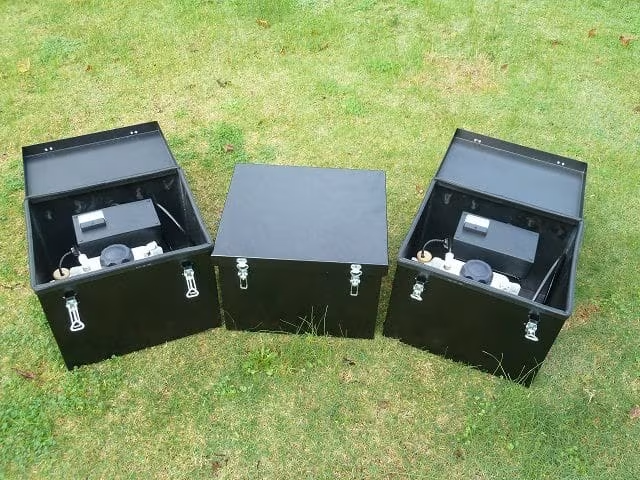
Brilliant Invention Gen 20 Hydrogen Generator ---(update Feb 7... Full Story

A Towing Economy HHO Example That Pays Its Way... Full Story

Diesel Truck HHO Case Study That Measures Results -... Full Story
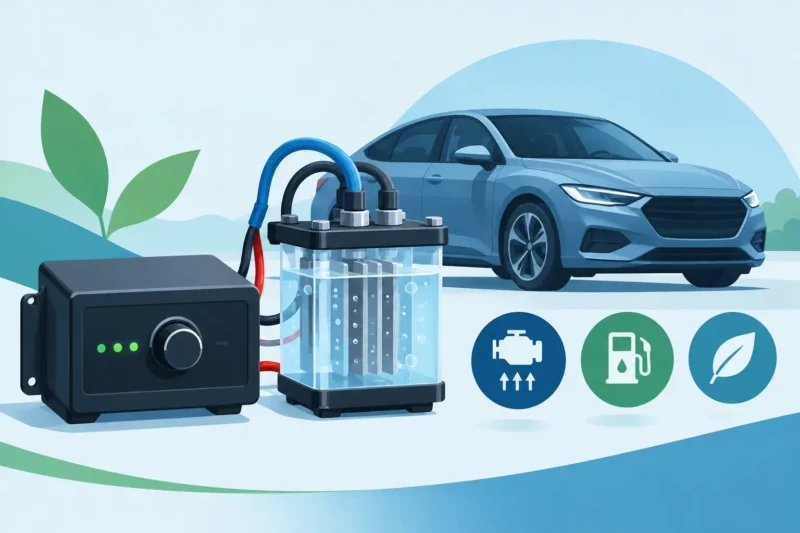
HHO Controller Review for Better Engine Results - Nov... Full Story
Payment Methods Partner:

© 2026 Hydrogen Fuel Systems Pty Ltd