Brilliant Invention Gen 20 Hydrogen Generator July 2 2026
Brilliant Invention Gen 20 Hydrogen Generator ---(update Feb 7... Full Story
Perth, West Australia





by Gavan Knox MSc, BSc, BEd, Inventor
WhatsApp call +61 403177183
contact gavan@hfuel.com.au
https://hydrogenfuelsystems.com.au
Top Hydrogen Kit Accessories for Real Results – Oct 7. A hydrogen kit is only as dependable as the components supporting it. The right top hydrogen kit accessories protect the system, keep water and gas management under control, and help your vehicle, generator or marine engine operate as intended. The wrong shortcuts can create leaks, voltage drop, poor mounting and a system that is harder to service than it needs to be.
For owner-drivers, fleet operators, tradies and 4WD owners, accessories are not an afterthought. They are where long-term reliability is won or lost. If you are investing in an on-board hydrogen system to support better combustion efficiency, lower operating costs and cleaner-running equipment, build it properly from the start.

A compact passenger car, a diesel ute hauling tools, a long-haul truck, a fishing boat and a standby generator do not place the same demands on an HHO system. Engine size matters, but so do duty cycle, vibration, mounting space, ambient temperature and how often the machine is serviced.
That is why there is no single accessory package that suits every application. A Gen 10 setup in a commuter vehicle may need a tidy, space-efficient installation. A Gen 25 system on a hard-working diesel application demands heavier electrical protection, secure mounting and plumbing components selected for sustained use.
Buy accessories to suit the system size and the vehicle, not because they are the cheapest items in a parts catalogue. The aim is straightforward: stable power, controlled gas flow, clean water supply and serviceable connections.
The electrical side of the installation deserves serious attention. A correctly rated power supply or controller helps deliver consistent current to the cell, while a quality relay ensures the system is switched appropriately with the ignition. The wiring, fuse holder and terminals must be sized for the current draw and protected from heat, abrasion and vibration.
Do not run thin wire across a hot engine bay and expect consistent output. Voltage drop can affect system operation, while poor terminals can create heat and intermittent faults. Use crimped, insulated connections, route cables away from exhaust components and moving belts, and fit circuit protection close to the power source.
For commercial vehicles and machinery, this is not optional detail. Equipment that works all day needs electrical components that can handle all-day conditions. If the vehicle has an unusual charging system, stop-start operation or limited battery capacity, confirm compatibility before installation.
A bubbler is one of the most worthwhile protective accessories in an HHO installation. It acts as a water trap and an additional barrier in the gas line, helping prevent unwanted reverse flame travel towards the generator. A check valve supports that protection by keeping gas moving in the intended direction.
These components need to be installed in the correct orientation and positioned where they can be inspected easily. A hidden bubbler with no clear way to check water level is a nuisance waiting to happen. Use fittings that seal properly, inspect the hose regularly and replace damaged or hardened components before they become a problem.
The trade-off is simple. Adding proper gas-line protection takes a little more space and installation time, but it is far cheaper than dealing with a compromised system later.
On-board hydrogen generation relies on a consistent water supply. Water level sensors, reservoirs, filters and suitable hoses help keep the system operating cleanly and make routine checks faster. For vehicles used on dusty sites, corrugated roads or long regional runs, protecting the water supply from contamination matters even more.
A water level sensor can alert the operator before the cell runs low. That is particularly useful for fleet vehicles, generators and marine applications where the equipment may be operated by more than one person. A quality filter reduces the risk of debris entering the system, while a properly secured reservoir prevents rubbing, cracking and leaks.
Use the water type and maintenance process specified for your kit. Guesswork with additives, unsuitable water or improvised plumbing can create unnecessary servicing issues. Keep the fill point accessible and make water checks part of the normal pre-start routine.
A good hydrogen system needs more than a hose pushed over a barb fitting. Heat-resistant hose, correctly matched fittings and secure clamps are what keep the installation sealed and serviceable through vibration, engine movement and changing temperatures.
Avoid sharp hose bends and long, untidy runs. Every unnecessary join is another point to inspect, and every hose routed near a heat source has a shorter working life. Keep lines clear of exhaust manifolds, turbo plumbing, steering components and pinch points under the bonnet.
For a vehicle that sees rough tracks or regular towing, secure hose routing is especially valuable. Use proper mounting points and allow enough movement where the engine shifts under load. A clean installation is not just about appearance. It makes fault-finding and scheduled maintenance much easier.
The generator cell, reservoir and supporting hardware must be mounted to a strong location, not simply squeezed into a spare gap. A purpose-made bracket or solid fabricated mount reduces movement and protects hoses and electrical connections from fatigue.
This matters most in 4WDs, work utes, trucks, marine engines and machinery that live with constant vibration. A component that moves a few millimetres every day can eventually loosen fittings, crack a bracket or chafe through a cable. Use corrosion-resistant hardware where appropriate, keep fasteners accessible and recheck them after the initial bedding-in period.
Do not mount equipment where it blocks service access to batteries, filters, belts or fluid caps. The best install is one a mechanic can inspect without dismantling half the engine bay.
A basic visual indicator, water-level warning or electrical monitoring point can save hours of guessing. These accessories help confirm whether the system has power, whether the water level is acceptable and whether a fault needs attention before it affects operation.
For fleet and commercial users, monitoring is also about accountability. If several drivers use the same vehicle, a clear inspection routine and visible indicators make it easier to spot issues early. Keep spare fuses, suitable hose clamps, approved fittings and the relevant installation documentation with the vehicle or in the workshop.
Hydrogen Fuel Systems kits are available in sizes suited to different engine applications, and accessory requirements should follow the selected system. Larger systems may require heavier-duty electrical components, more substantial mounting and closer attention to plumbing layout. Smaller systems still need the same disciplined approach to safe routing and reliable connections.
Before ordering, confirm the kit model, engine type, available space and intended use. Photograph the engine bay, identify battery location and note where you can safely mount the cell and reservoir. If the application is a truck, boat, generator or modified 4WD, account for vibration, heat and accessibility before choosing parts.
This is where buying a complete, matched accessory set can make sense. It reduces the risk of mixing incompatible hose sizes, weak fittings or under-rated wiring. It also gives installers a clearer path from mounting through to commissioning.
Even premium accessories cannot compensate for a rushed install. Follow the applicable installation instructions, isolate power before electrical work and test every connection before putting the vehicle back into service. Inspect for leaks, confirm hoses are secure and ensure wiring cannot rub through over time.
For high-value fleet assets, complex diesel engines and marine applications, professional installation or review is often money well spent. Keep records of the system layout, parts fitted and servicing dates. That practical paperwork helps when diagnosing a fault, replacing a component or standardising installations across a fleet.
The accessory that pays for itself fastest is usually the one that prevents downtime. Build the hydrogen system with the same care you would give fuel lines, electrical work and cooling hoses, and you give it the best chance to deliver dependable service kilometre after kilometre.
Thursday, October 8, 2026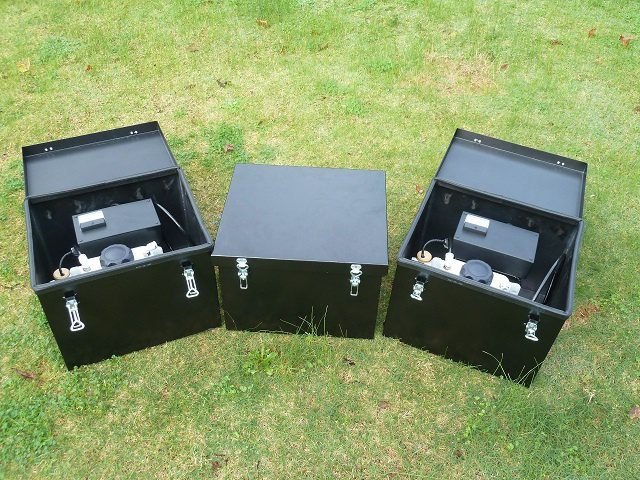
Brilliant Invention Gen 20 Hydrogen Generator ---(update Feb 7... Full Story

by Gavan Knox HFS whats app +61 403177183 gavan@hfuel.com.au... Full Story
HHO Versus Additives: What Actually Pays Back? - Oct.... Full Story

Run a Fleet Hydrogen Trial That Shows Real Results... Full Story

4WD Hydrogen Results for Hard-Working Rigs - Oct 9... Full Story
Payment Methods Partner:

© 2023 - Hydrogenfuelsystems pty ltd