Brilliant Invention Gen 20 Hydrogen Generator July 2 2026
Brilliant Invention Gen 20 Hydrogen Generator ---(update Feb 7... Full Story
Perth, West Australia




by Gavan Knox MSc, BSc, BEd, Inventor
WhatsApp call +61 403177183
contact gavan@hfuel.com.au
https://hydrogenfuelsystems.com.au
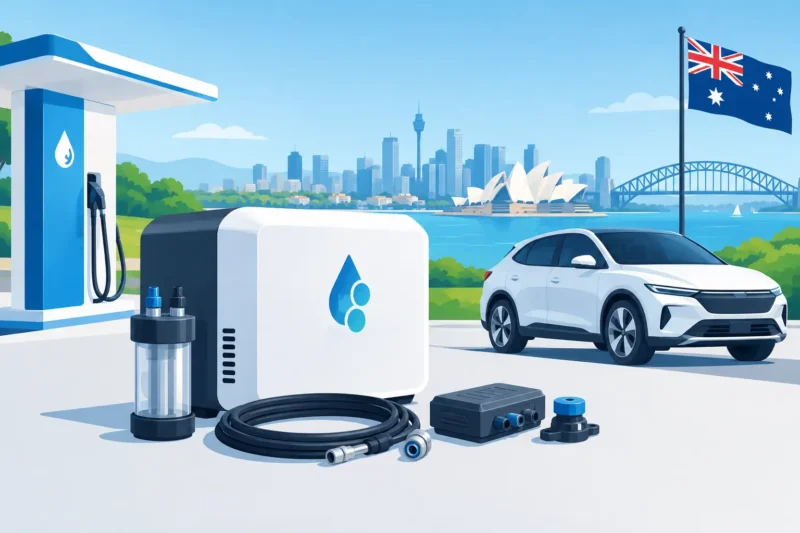
Gen 10 Hydrogen Kit Review for Aussie Drivers – Oct 8. A fuel bill does not care whether you run a work ute, family wagon, delivery van or touring 4WD. If the vehicle burns fuel every day, every unnecessary litre comes straight off the bottom line. This Gen 10 hydrogen kit review looks at what this system is built to do, who it suits, and what needs to happen before an owner can expect worthwhile operating results.
The Gen 10 is an on-board hydrogen generator system for internal combustion engines. It produces hydrogen gas on demand, commonly called HHO, and introduces it into the engine’s air intake to support a cleaner, more complete combustion event. The objective is practical: reduce fuel consumption where conditions are right, improve combustion efficiency, lower exhaust emissions and help the engine operate with less carbon build-up.
This is not a magic box and it is not a replacement for servicing. It is a performance-and-efficiency upgrade that must be correctly sized, properly installed and assessed over real operating kilometres.
The Gen 10 is generally the sensible starting point for smaller to medium engine applications where fuel use is significant enough for savings to matter but the vehicle does not require a larger commercial-scale system. That can include many petrol and diesel cars, utes, light vans and selected 4WD applications.
System sizing matters. Fitting a kit that is too small for a hard-working engine limits its potential contribution. Going too large without considering the vehicle, electrical system and duty cycle is equally poor practice. A generator that spends its life idling around town has different demands from a diesel ute towing a trailer through regional WA, or a vehicle covering long freeway kilometres between Melbourne and Adelaide.
The Gen 10 is best viewed as an application-specific system rather than a one-size-fits-all accessory. Before fitting, confirm engine capacity, fuel type, vehicle usage, available mounting space and the condition of the charging system. A weak battery, failing alternator, blocked air filter or overdue service will cloud the results of any efficiency modification.
The system uses electrical power to generate a controlled volume of hydrogen gas from its fluid supply. That gas is delivered into the intake stream, where it supports the combustion process. Hydrogen burns quickly and can assist flame propagation in the cylinder. In a healthy engine, that can help the existing petrol or diesel charge burn more completely.
The result owners are chasing is not simply more hydrogen. It is better combustion. Better combustion can mean less unburnt fuel, reduced soot production in diesel applications, smoother response and lower fuel use under comparable driving conditions.
Comparable is the key word. A fuel economy result is only meaningful when the route, load, traffic, tyre pressures, driving style and fuel quality are broadly consistent. A driver who fits a kit, then starts towing more weight or changes from highway work to stop-start metro work, cannot fairly compare the next tank against the last one.
For fleet operators and owner-drivers, this is where proper records beat guesswork. Track litres purchased, kilometres travelled, payload, hours of idling and the type of work completed. A repeatable baseline gives the Gen 10 system a fair test and gives the operator numbers they can act on.
The main appeal of a Gen 10 kit is that it targets the costliest part of operating an internal combustion vehicle: fuel use. For drivers doing regular kilometres, even a modest improvement in consumption can add up over a year. This is particularly relevant for tradespeople, regional drivers and small businesses running several vehicles.
A correctly installed hydrogen enhancement system can also support a cleaner combustion process. Diesel owners often care about this because carbon and soot are not theoretical problems. They affect intake components, oil condition, emissions equipment and how an engine feels under load. Petrol engines can also benefit from improved combustion quality, particularly where the vehicle is otherwise well maintained.
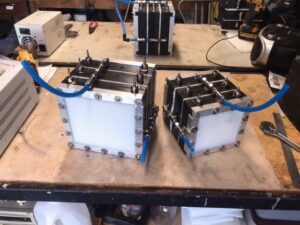
Another advantage is on-board generation. The kit produces gas as the engine runs rather than relying on stored hydrogen cylinders. That makes the system a practical aftermarket option for vehicle owners who want to improve the efficiency of equipment they already own rather than replacing it.
The Gen 10 format also suits buyers who want a system with serviceable parts and a clear installation pathway. A hydrogen kit is not something to fit with shortcuts. Correct brackets, sound wiring, proper hose routing, suitable protection components and regular fluid checks all protect the installation and its long-term performance.
No honest Gen 10 hydrogen kit review should promise identical results for every vehicle. Fuel savings depend on the engine’s condition, driving pattern, load, maintenance history and installation quality. A well-maintained vehicle on a steady route may show a clearer improvement than an older engine with injector faults, boost leaks or a blocked intake.
Modern vehicles can also require more attention during fitment. Engine management systems use sensors and adaptive fuel strategies. Depending on the vehicle and intended outcome, appropriate tuning or electronic adjustment may be required so the engine can properly respond to the improved combustion environment. This should be handled by someone who understands the specific engine, not guessed at in a shed with generic settings.
There is also an electrical demand to consider. The hydrogen generator draws power through the vehicle’s charging system, so alternator health and wiring quality are central to a successful installation. The system should be wired safely, fused correctly and activated in a way that prevents it operating when the engine is off.
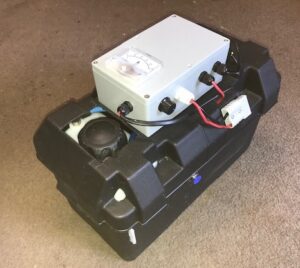
Owners should also check warranty, insurance and applicable Australian road rules before fitting any aftermarket engine-related equipment. Commercial fleets may need internal approval processes, while vehicles operating in regulated environments may require additional documentation. Doing this work upfront protects the investment.
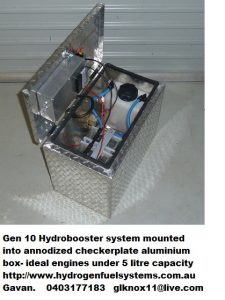
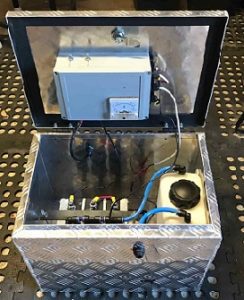
A Gen 10 kit can only perform as well as the installation behind it. The generator needs a secure mounting location away from excessive heat and moving components. The fluid reservoir must remain accessible for inspection and servicing. Hoses need to be protected from kinks, abrasion and heat, while electrical connections need to be clean, secure and weather-resistant.
The intake connection deserves particular care. Poor placement, air leaks or untidy hose routing can create problems that have nothing to do with the technology itself. A professional installation focuses on safe routing, reliable seals and easy future maintenance.
After installation, do not judge the kit from one short trip. Let the vehicle complete a sensible number of normal work cycles, then review fuel figures alongside operating conditions. Check the fluid level, inspect fittings and make sure there are no warning lights or drivability concerns. This is a mechanical system, so it deserves mechanical discipline.

The Gen 10 is worth serious consideration when the vehicle has regular fuel use, a healthy engine and an owner prepared to monitor results properly. It is especially relevant for drivers who hold onto vehicles for years, cover consistent kilometres or operate a work vehicle where fuel costs are a daily expense.
It may not be the best match for a lightly used weekend vehicle, an engine with unresolved faults or a heavy-duty application that needs a larger system. Bigger engines, high-load towing, commercial transport and continuous generator work may be better suited to a Gen 15, Gen 20 or Gen 25 configuration. Choosing the correct capacity is more valuable than choosing the cheapest kit.
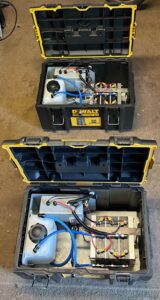
Hydrogen Fuel Systems positions its kits around tested hardware, documented installation support and application-based sizing. That is the approach buyers should demand: assess the engine, match the system and measure the result.
If your vehicle burns enough fuel for every percentage point to count, start with the facts: service the engine, identify the real duty cycle, choose the right system size and record the numbers after fitment. That is how a Gen 10 hydrogen kit becomes a working business decision rather than another accessory under the bonnet.
by Gavan Knox MSc, BSc, BEd, Inventor
WhatsApp call +61 403177183
contact gavan@hfuel.com.au
https://hydrogenfuelsystems.com.au
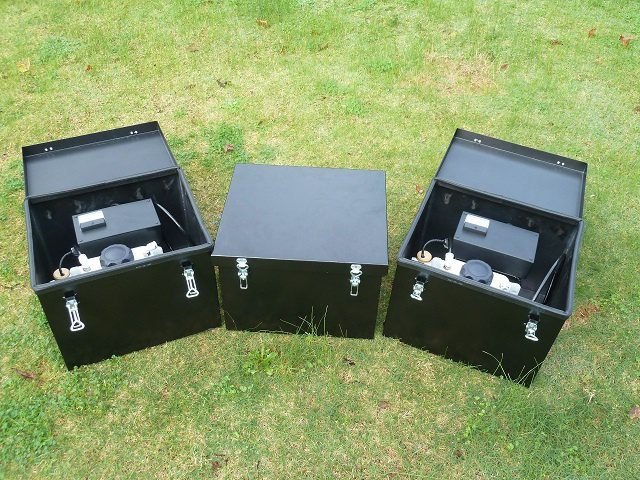
Brilliant Invention Gen 20 Hydrogen Generator ---(update Feb 7... Full Story

by Gavan Knox HFS whats app +61 403177183 gavan@hfuel.com.au... Full Story
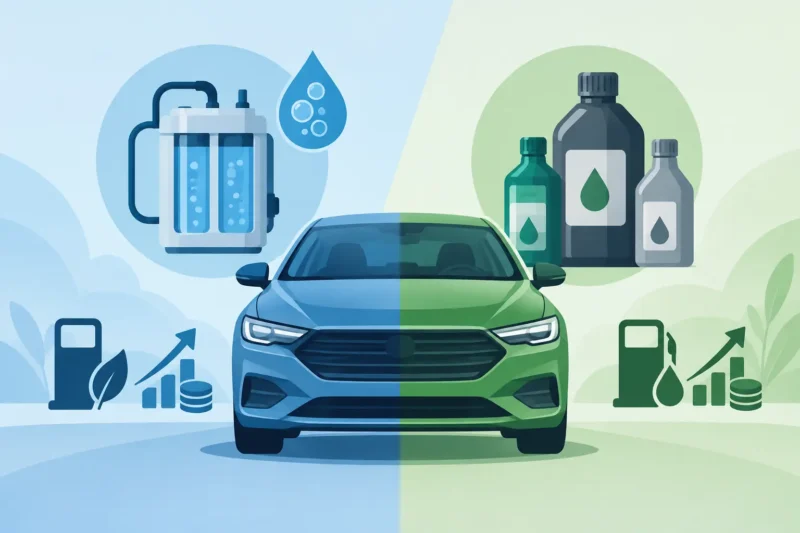
HHO Versus Additives: What Actually Pays Back? - Oct.... Full Story
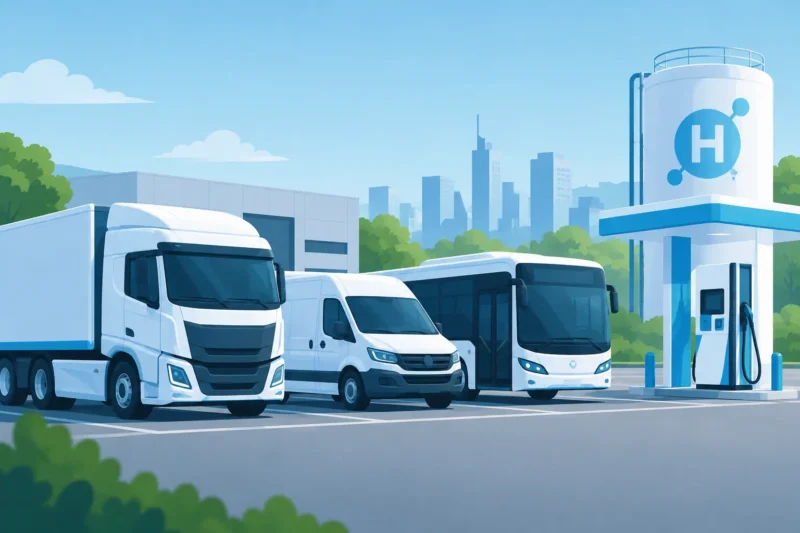
Run a Fleet Hydrogen Trial That Shows Real Results... Full Story
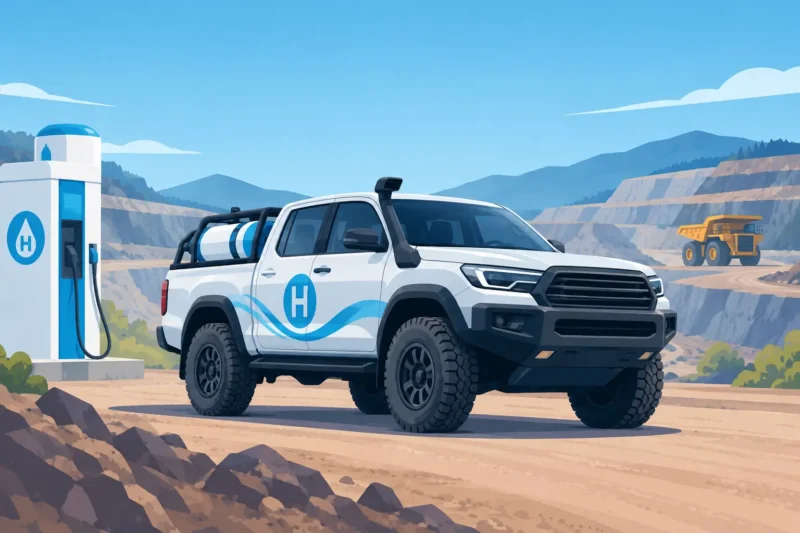
4WD Hydrogen Results for Hard-Working Rigs - Oct 9... Full Story
Payment Methods Partner:

© 2023 - Hydrogenfuelsystems pty ltd