Brilliant Invention Gen 20 Hydrogen Generator July 2 2026
Brilliant Invention Gen 20 Hydrogen Generator ---(update Feb 7... Full Story
Perth, West Australia




by Gavan Knox MSc, BSc, BEd, Inventor
WhatsApp call +61 403177183
contact gavan@hfuel.com.au
https://hydrogenfuelsystems.com.au
Run a Fleet Hydrogen Trial That Shows Real Results – Oct 10. A fleet hydrogen trial should not be a quick fitment on one vehicle followed by a glance at the fuel card bill. If you want a result worth acting on, the trial must show exactly what changed, what it cost, and whether the improvement holds up under normal Australian operating conditions.
For fleets, fuel is not a vague business expense. It is a direct hit on every delivery, service call, site run and long-haul kilometre. That makes hydrogen enhancement worth testing properly. An on-board hydrogen generator, often called an HHO system, is designed to introduce hydrogen and oxygen into the engine’s air intake to support more efficient combustion. The potential upside is lower fuel use, cleaner combustion and a more responsive engine. But the value of a trial comes from measured proof, not hopeful claims.

The best trial vehicles are not always the newest or the biggest. They are the units with reliable operating patterns and enough fuel consumption to make a measurable result visible. A diesel ute that drives different routes every day may still be suitable, but a truck, generator, marine engine or service vehicle working repeatable hours often produces cleaner data.
Choose vehicles with sound mechanical condition. A hydrogen system cannot fix worn injectors, blocked filters, failing sensors, boost leaks or an engine already overdue for service. Start with an engine that is correctly maintained, has no unresolved fault codes and operates within normal temperature ranges. Otherwise, you may end up measuring the benefit of overdue repairs rather than the effect of the hydrogen system.
For a useful comparison, select at least two similar assets. Fit one with the system and retain one as a control vehicle where practical. They should carry similar loads, work similar routes and be driven in broadly similar conditions. That is not always possible in a working fleet, but the closer the match, the harder it is for sceptics to dismiss the result.

A low-kilometre passenger car may take months to generate meaningful fuel data. High-use applications create a faster and more commercially useful test. Think courier vans, trade utes, delivery trucks, 4WD work vehicles, generators, marine applications and machinery that consumes fuel every day.
The more fuel an asset uses, the easier it is to calculate payback. That is where a properly sized HHO kit can become an operating-cost conversation rather than a workshop experiment.

This is the stage many fleets rush through, then regret. Collect a baseline over enough kilometres or engine hours to smooth out one-off variables. Four to eight weeks is often sensible for road vehicles, depending on utilisation. For a generator or marine engine, record a meaningful block of consistent operating hours.
Track the same information before and after installation. At minimum, capture:
Fuel consumption should be shown as litres per 100 km, kilometres per litre or litres per hour. Raw fuel spend alone is not enough because fuel prices move. A vehicle that costs less to fill one week has not necessarily become more efficient.
Also record seasonal and operational changes. Air-conditioning load, winter starts, wet roads, strong headwinds, traffic, towing and site access all affect consumption. You do not need laboratory conditions, but you do need enough context to explain the numbers.
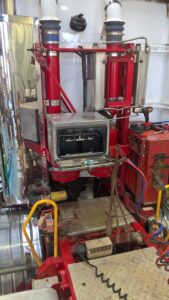

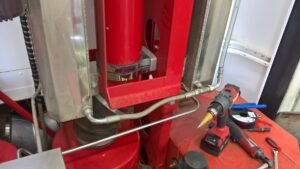
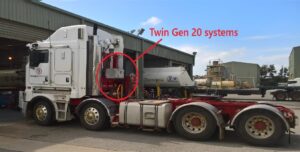
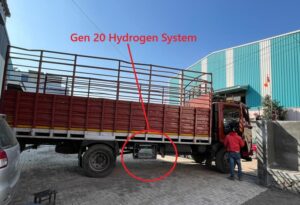
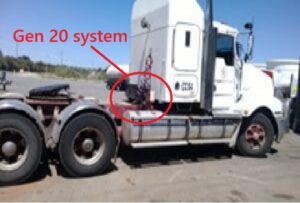
Installation quality is part of the result. An incorrectly wired unit, poor earth connection, unsuitable mounting location or badly routed hose can create faults and undermine the entire trial. Use application-specific instructions and select a system size that suits the engine and duty cycle.
Hydrogen Fuel Systems offers different generator sizes for cars, trucks, marine engines, generators and 4WD applications. The point is not to fit the largest unit available. It is to match output, electrical supply and installation layout to the vehicle or equipment. A high-use diesel truck and a small petrol runabout do not have the same requirements.
Before commissioning, check charging voltage, battery condition, alternator output, hose security, water supply, filters and electrical protection. Photograph the installation and keep the fitment details with the trial file. This protects the workshop, helps with future servicing and gives management a clear record of what was installed.
Where the vehicle is subject to fleet safety procedures, manufacturer warranty requirements or site rules, confirm those requirements before proceeding. A good trial is controlled from the first spanner turn.
Once fitted, give the vehicle a short bedding-in period before making a firm assessment. Continue recording fuel and operational data over the same type of work completed during the baseline period. Avoid changing three things at once. If you install the hydrogen system, change tyres, alter routes and service the injectors in the same week, the final data will be difficult to trust.
Driver feedback matters, but it should support the figures rather than replace them. A driver may report stronger low-end pull, smoother operation or less gear hunting under load. Those observations are valuable, particularly in utes, trucks and towing applications. Still, the fleet manager needs the litres, kilometres and hours to make a purchasing decision.
If your operation has telematics, use it. Compare idle time, average speed, route patterns and harsh driving events. A sudden improvement in fuel economy might be genuine, but it could also be explained by a route change or reduced payload. Good data tells the whole story.
A claimed saving percentage means little without volume. A 5 per cent improvement on a vehicle using 15 litres per week will not change the business. The same 5 per cent on a truck using 800 litres a week is a serious operating saving.
Work out fuel saved per vehicle, per month and per year using your own fuel price. Then subtract installation, consumables and servicing costs. This gives you a realistic payback period. If the trial also shows reduced smoke, better drivability or fewer combustion-related issues, record those benefits separately rather than forcing them into a fuel figure.
Be disciplined with negative results too. If one application does not show a meaningful improvement, find out why. The unit may be incorrectly sized, the vehicle may have an underlying mechanical issue, or the operating cycle may simply not be suitable. A trial that identifies poor-fit applications can save a fleet from wasting money on a broad rollout.
A strong result on one asset is a reason to expand carefully, not blindly fit every vehicle in the yard. Start with the group that most closely matches the successful trial vehicle. Standardise the kit size, installation procedure, commissioning checks and reporting sheet. That makes performance easier to compare across the fleet.
Train drivers and workshop staff on what the system does, what routine checks are required and what faults should be reported. Keep the message practical: this is an engine efficiency system, and it needs to be maintained like any other fitted equipment. Drivers are more likely to support the project when they understand the commercial target and can see the results.
For fleets operating across Perth, Sydney, Brisbane, Melbourne or regional Australia, local driving conditions will vary. That does not make a fleet hydrogen trial impossible. It simply means each location should be measured against its own baseline rather than compared carelessly with another depot.
The best next move is simple: choose one high-fuel-use asset, document its baseline, install the right system properly and let the numbers make the case. When the evidence is clear, a fleet decision becomes far easier to defend.
by Gavan Knox MSc, BSc, BEd, Inventor
WhatsApp call +61 403177183
contact gavan@hfuel.com.au
https://hydrogenfuelsystems.com.au
Brilliant Invention Gen 20 Hydrogen Generator ---(update Feb 7... Full Story

by Gavan Knox HFS whats app +61 403177183 gavan@hfuel.com.au... Full Story
HHO Versus Additives: What Actually Pays Back? - Oct.... Full Story
Run a Fleet Hydrogen Trial That Shows Real Results... Full Story

4WD Hydrogen Results for Hard-Working Rigs - Oct 9... Full Story
Payment Methods Partner:

© 2023 - Hydrogenfuelsystems pty ltd