Brilliant Invention Gen 20 Hydrogen Generator July 2 2026
Brilliant Invention Gen 20 Hydrogen Generator ---(update Feb 7... Full Story


by Gavan Knox MSc, BSc, BEd, Inventor
WhatsApp call +61 403177183
contact gavan@hfuel.com.au
https://hydrogenfuelsystems.com.au
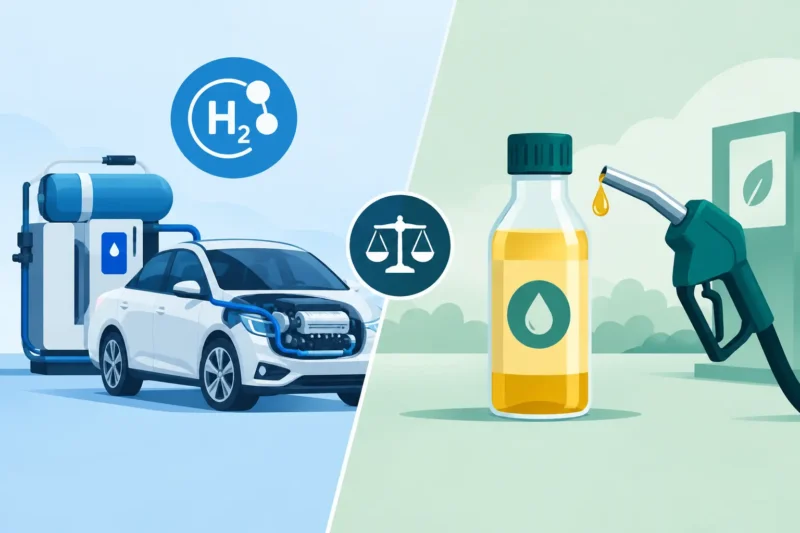
Hydrogen Retrofit Versus Fuel Additives Compared – Oct 18. A bottle of additive can look like the easy answer when a diesel is using too much fuel, blowing smoke under load or feeling lazy on the hills. But hydrogen retrofit versus fuel additives is not a like-for-like decision. One is a consumable treatment added to the tank. The other is an engineered, on-board system intended to support combustion every time the engine runs.
For owner-drivers, fleet managers, tradies, 4WD owners and operators of generators or marine engines, the right question is not simply, “Which product is cheaper today?” It is: which option can produce a worthwhile result over the kilometres, hours and fuel spend that matter to your operation?
Fuel additives are designed for specific jobs. Depending on the formula, they may help clean injectors, manage moisture, improve lubricity, reduce wax issues in cold conditions or raise cetane performance in diesel fuel. When a vehicle has contaminated fuel, injector deposits or a known fuel-quality issue, a suitable additive can be a sensible maintenance measure.
That does not make every additive a fuel-saving solution. Results vary with the product, dosage, fuel quality, engine condition and duty cycle. A ute doing short suburban trips has different needs from a prime mover hauling interstate freight or a generator operating at steady load for days.
The biggest commercial limitation is repetition. Once the treated fuel has been used, the additive has gone with it. If you want the same potential benefit on the next tank, you buy and dose it again. Across high-consumption equipment, those purchases become an ongoing operating cost.

Additives also cannot repair mechanical faults. A blocked air filter, worn injectors, boost leak, failing EGR component, poor compression or incorrect tuning will not be fixed by pouring a product into the tank. Start with the engine’s baseline condition. That is how you avoid spending money on a chemical treatment when the real problem is mechanical.

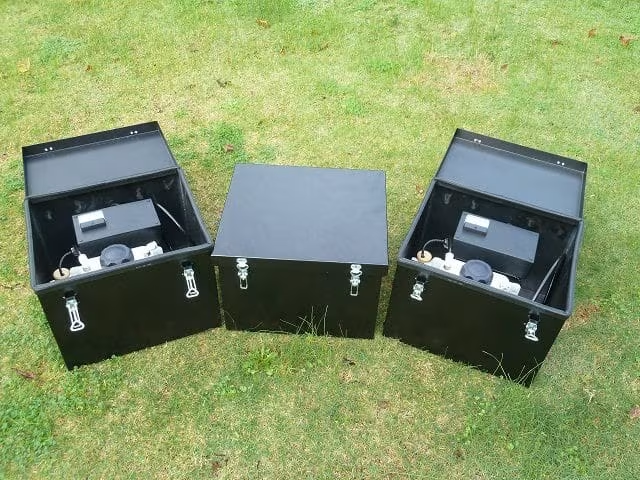
Gen 15 Hydrogen system Mounted into white box below TRAY and in-front of rear wheel Right hand side Toyota. – save 30% fuel costs plus more Engine torque
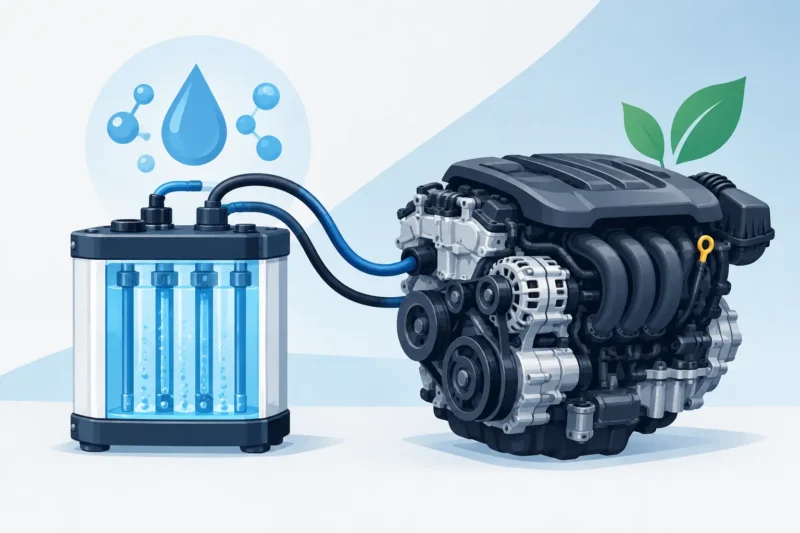
A hydrogen retrofit, often called an HHO kit, produces hydrogen and oxygen on board through electrolysis and introduces the gas into the engine’s intake system. The purpose is to support a faster, more complete combustion event. In practical terms, operators are looking for lower fuel use, cleaner exhaust behaviour, improved throttle response and stronger pulling performance under load.
Unlike an additive, a correctly sized hydrogen system works whenever the engine is operating. It does not rely on a fresh dose in every fill. The unit uses electrical power from the vehicle or equipment, along with water and electrolyte maintenance, to generate gas on demand.
That distinction matters. A hydrogen retrofit is a capital investment in the vehicle or machine. An additive is a recurring purchase. The retrofit decision should therefore be assessed over a realistic period of fuel use, not judged against the price of one bottle on the workshop shelf.
A serious comparison must be honest about the electrical side. An HHO system places a load on the charging system, so installation quality, cable sizing, relays, fuse protection, power supply and system control are not minor details. They are central to whether the equipment operates safely and consistently.
The claimed benefit comes from combustion improvement, not from creating fuel out of thin air. Engine type, load profile, driving behaviour, maintenance condition and installation quality all affect the outcome. Anyone promising identical savings on every engine is selling a shortcut, not a proper assessment.
Hydrogen Fuel Systems focuses on application-specific system sizing and supporting technical material for that reason. A light passenger vehicle, a work ute, a heavy truck, a marine diesel and a stationary generator do not have the same electrical capacity, airflow or operating pattern. Fit the system to the application, then measure the result properly.
The cost difference becomes clear once fuel consumption is high. A fuel additive may be inexpensive per treatment, but an operator using hundreds or thousands of litres each month needs to include every repeat purchase in the calculation. That can be acceptable for an occasional injector-cleaning program. It is less attractive when the goal is an ongoing fuel-efficiency strategy.
A hydrogen retrofit has a higher upfront cost because it includes the generator, controls, wiring, fittings, water reservoir and installation hardware. It also requires periodic attention: checking water level, maintaining the electrolyte where required, inspecting lines and connections, and keeping the system clean. That is real maintenance, but it is usually far different from continually buying a tank-dose product.
The practical calculation is simple. Record fuel use before installation over enough work to account for normal variation. Then compare the same vehicle, route, payload and operating conditions after installation. For a generator, log litres per hour at comparable load. For a truck, use litres per 100 kilometres alongside payload, idle time and route type.
If the fuel saving is measurable and repeatable, the payback is based on the litres saved, not marketing promises. High-use machinery generally gives a stronger case because it has more fuel spend to reduce. A weekend vehicle with low annual kilometres may still gain drivability benefits, but its financial return will naturally take longer.
This is not a case of additives being useless. They can be a practical tool when the job is specific. A diesel fuel conditioner may suit seasonal storage. A water dispersant may be appropriate after a contamination concern. An injector cleaner may be used as part of a maintenance program where the manufacturer’s recommendations support it.
The mistake is treating additives as a substitute for diagnosing the engine or deciding they are automatically the best long-term answer to fuel cost. If your operation has a recurring fuel bill, an installed system deserves comparison because it addresses combustion every operating hour rather than only the fuel in the tank that day.
For some operators, the strongest approach may be both: maintain clean, quality fuel and use an appropriately installed hydrogen system to support efficient combustion. The additive should have a defined purpose, rather than becoming a permanent monthly expense with no clear measurement behind it.
System size is not a guessing game. A small engine does not need the same gas production or electrical arrangement as a heavy-duty diesel. Oversizing or undersizing can undermine the result, and poor installation can create electrical, intake or reliability problems that should never be accepted on a working vehicle.
Before selecting a kit, establish the engine capacity, fuel type, normal load, daily running hours, alternator capability and available mounting space. Consider how the unit will be serviced as well. A generator in a plant room, a 4WD used in dusty conditions and a truck working long highway runs all demand different placement and protection decisions.
Use sound installation practice. Protect wiring from heat and abrasion, mount components securely, use correct fusing, keep hose routing tidy, and check all connections after the initial operating period. Do not bypass factory safety systems or ignore vehicle warranty, insurance, emissions and roadworthiness requirements. Australian rules can vary by state, vehicle class and modification type, so operators should confirm what applies to their specific installation.
The best buyers do not rely on a dashboard impression after one good run. They build a baseline. Track at least several tanks or a meaningful block of operating hours before making changes. Record kilometres, litres, payload, idle time, terrain and any maintenance work performed at the same time.
After fitting a hydrogen system, continue the same records. Watch fuel use first, then note throttle response, smoke, engine smoothness and operating temperatures where relevant. This creates evidence you can use in the workshop, in a fleet meeting or when deciding whether to roll the system out across more vehicles.
A hydrogen retrofit is the stronger long-term option when your priority is repeated combustion support, lower operating costs and a system matched to a hard-working engine. Additives have their place as targeted fuel maintenance products, but they are not a permanent replacement for an on-board solution.
Start with the figures your engine is already producing. Once you know the real litres, hours and loads behind the fuel bill, the right decision becomes far easier to see.
by Gavan Knox MSc, BSc, BEd, Inventor
WhatsApp call +61 403177183
contact gavan@hfuel.com.au
https://hydrogenfuelsystems.com.au
Brilliant Invention Gen 20 Hydrogen Generator ---(update Feb 7... Full Story
Will HHO Affect Turbochargers? Facts That Matter - Nov... Full Story
Marine Vessel HHO Fuel Trial for Real Fuel Savings... Full Story
HHO Kits That Make Hard-Working Engines Work - Nov... Full Story
Payment Methods Partner:

© 2026 Hydrogen Fuel Systems Pty Ltd