Brilliant Invention Gen 20 Hydrogen Generator July 2 2026
Brilliant Invention Gen 20 Hydrogen Generator ---(update Feb 7... Full Story


by Gavan Knox MSc, BSc, BEd, Inventor
WhatsApp call +61 403177183
contact gavan@hfuel.com.au
https://hydrogenfuelsystems.com.au
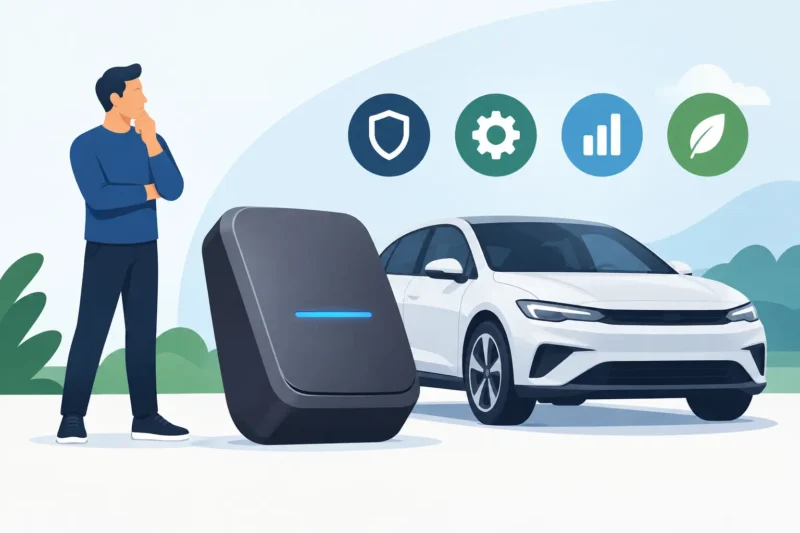
Gen 10 Review: Is It Right for Your Vehicle? – Oct 19. A Gen 10 review should answer one question before anything else: will this HHO system deliver a worthwhile return on the vehicle or equipment you actually run? For an owner-driver watching every litre, a tradie with a hard-working ute, or a fleet manager carrying rising fuel bills, the right answer comes down to engine size, workload, installation quality and how accurately you measure the result.
The Gen 10 is not a magic bolt-on for every vehicle. It is an on-board hydrogen enhancement system intended to support cleaner, more efficient combustion in internal combustion engines. When correctly matched and installed, it is designed to help reduce fuel use, improve throttle response and torque feel, lower exhaust emissions and reduce the build-up associated with incomplete combustion. But the system must suit the application. That is where most buyers either make a smart investment or waste time chasing claims that cannot be measured.
The Gen 10 is generally the sensible starting point for smaller to medium engine applications where space, electrical capacity and hydrogen output need to stay in proportion. Think passenger vehicles, light commercial vans, smaller diesel work utes, 4WDs and certain compact generator applications. It can also suit petrol engines, provided the installation and engine-management considerations are properly addressed.
It is not automatically the best choice for every high-kilometre diesel. A heavily loaded truck, large marine engine, substantial generator or big-capacity 4WD may need a larger system to produce output appropriate to its fuel consumption and duty cycle. Buying too small can limit the potential benefit. Buying too large without considering alternator capacity, mounting room and operating profile is not smart engineering either.
The strongest Gen 10 candidates tend to have three things in common: they consume enough fuel for a saving to matter, they run regularly enough to establish credible before-and-after figures, and their owners are prepared to maintain the system correctly. A vehicle doing short suburban trips may not offer the same payback case as a diesel ute travelling long distances under load.
An HHO system uses electrical power to generate a controlled hydrogen and oxygen gas mixture on board. That gas is introduced into the engine intake, where it is intended to support more complete combustion of the primary fuel. The theory is straightforward. Better combustion can mean less unburnt fuel, cleaner operation and a more responsive engine under suitable operating conditions.
The commercial value is in the practical outcomes. Fuel savings are the headline result most buyers want, particularly when diesel prices put pressure on margins. Yet drivers also look for improved drivability, reduced smoke on older diesels, smoother acceleration and a cleaner-running engine. For fleet and machinery operators, lower fuel use and reduced wear-related issues can have a far greater impact over time than a one-off performance modification.
Results vary. Vehicle condition matters. Injector health, air filters, turbo plumbing, EGR operation, tyre pressures, payload, driving style and route profile all affect fuel consumption. Anyone promising identical results across every engine is not giving you a serious assessment. A good system should be judged against documented testing, correct sizing, quality components and repeatable data from comparable applications.
A proper review is not about a polished product photo or an isolated testimonial. It is about checking whether the supplier can explain how the system works, what it includes, how it is installed and what proof supports its claims.
Start with technical documentation. You want clear installation instructions, electrical diagrams, maintenance requirements and component specifications. A system that relies on vague advice such as “wire it up and see” is not suitable for a vehicle you depend on for work. The installer needs to know where the unit mounts, how the power supply is protected, where gas lines run and how the system is isolated safely.
Then look at testing and certification material. Independent test reports, patent information, emissions documentation and application records provide far more value than broad marketing statements. They do not remove the need to assess your own vehicle, but they show whether the supplier has put the product through proper scrutiny.
Finally, ask whether the business understands your use case. A Gen 10 for a commuter car is a different conversation from a Gen 10 on a diesel Hilux towing tools every day, or a generator supporting an off-grid worksite. The advice should reflect fuel use, engine capacity, hours worked and the operating load – not just the vehicle badge.
The hardware is only half the job. A poorly fitted hydrogen generator can create electrical problems, routing issues, leaks, unreliable output or unnecessary downtime. A clean installation protects the vehicle and gives the system a fair chance to perform.
The unit needs a secure mounting location away from excessive heat and moving parts. Water lines, gas lines and wiring must be routed neatly and protected from abrasion. Electrical connections need correct fusing, cable sizing and switching so the system operates as intended. On modern vehicles, installers must also consider sensors and engine-management behaviour rather than treating the engine bay like an old farm rig.
Maintenance is part of ownership. Depending on the system configuration and water quality, users may need to inspect fluid levels, fittings, filters and electrical connections at regular intervals. That is not a drawback – it is normal preventative maintenance for equipment designed to work alongside a combustion engine. The owners who get the best long-term value are generally the ones who check the system rather than ignoring it for 12 months.
If you are mechanically capable, detailed instructions make a DIY installation possible on many applications. If the vehicle is late-model, heavily modified, under warranty, or essential to your livelihood, professional fitting is often the more sensible call. The cost of doing it right is small compared with diagnosing a wiring fault or intake issue caused by a rushed installation.
Do not judge the system from one tank of fuel, one long highway run or the feel of the accelerator pedal after installation. Those impressions can be useful, but they are not proof. Establish a baseline before fitting the system, then compare several similar fuel cycles afterwards.
Record kilometres travelled, litres filled, fuel cost, average payload and the type of driving completed. For a generator, record operating hours, load and fuel consumed. Keep the routes and work conditions as similar as practical. A few weeks of honest data will tell you more than a dozen online arguments about hydrogen enhancement.
Also pay attention to engine behaviour. If smoke output, idle quality, throttle response or regeneration frequency changes, note it. These observations do not replace fuel figures, but they help build a full picture of how the engine is responding. For commercial operators, tracking this information across comparable vehicles can identify which applications justify broader rollout.
A Gen 10 is not purchased for novelty. It makes sense when fuel spend is meaningful, the engine runs enough hours to recover the investment, and the owner is prepared to measure the result. It is particularly relevant for Australian drivers covering long regional distances, tradespeople carrying equipment, and operators whose diesel engines spend their working life under consistent load.
It may be less compelling for a low-kilometre weekend vehicle or an engine with unresolved mechanical faults. Hydrogen enhancement is not a substitute for servicing a blocked intake, replacing worn injectors, repairing boost leaks or fixing an existing fault code. Get the base vehicle healthy first. Then you have a far better platform for measuring any efficiency or performance change.
Hydrogen Fuel Systems positions the Gen 10 as part of a matched range rather than a one-size-fits-all product. That matters because engine capacity alone is not the whole story. A lightly used large engine may have different requirements from a smaller engine that works hard every day.
Before you commit, put your fuel records on the table, confirm the engine and duty cycle, and insist on a system size that matches the work. That is how a Gen 10 becomes a practical operating-cost decision rather than another accessory under the bonnet.
by Gavan Knox MSc, BSc, BEd, Inventor
WhatsApp call +61 403177183
contact gavan@hfuel.com.au
https://hydrogenfuelsystems.com.au
Brilliant Invention Gen 20 Hydrogen Generator ---(update Feb 7... Full Story
An HHO system that draws too little current can... Full Story
Will HHO Affect Turbochargers? Facts That Matter - Nov... Full Story
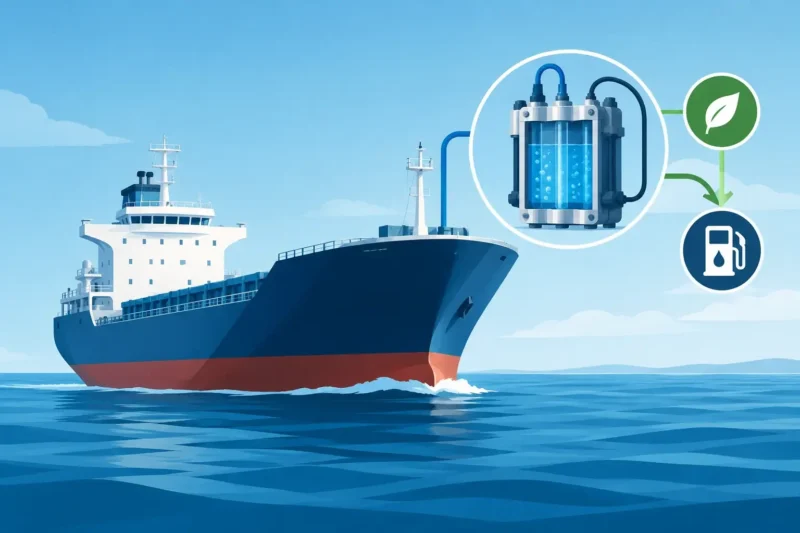
Marine Vessel HHO Fuel Trial for Real Fuel Savings... Full Story
Payment Methods Partner:

© 2026 Hydrogen Fuel Systems Pty Ltd